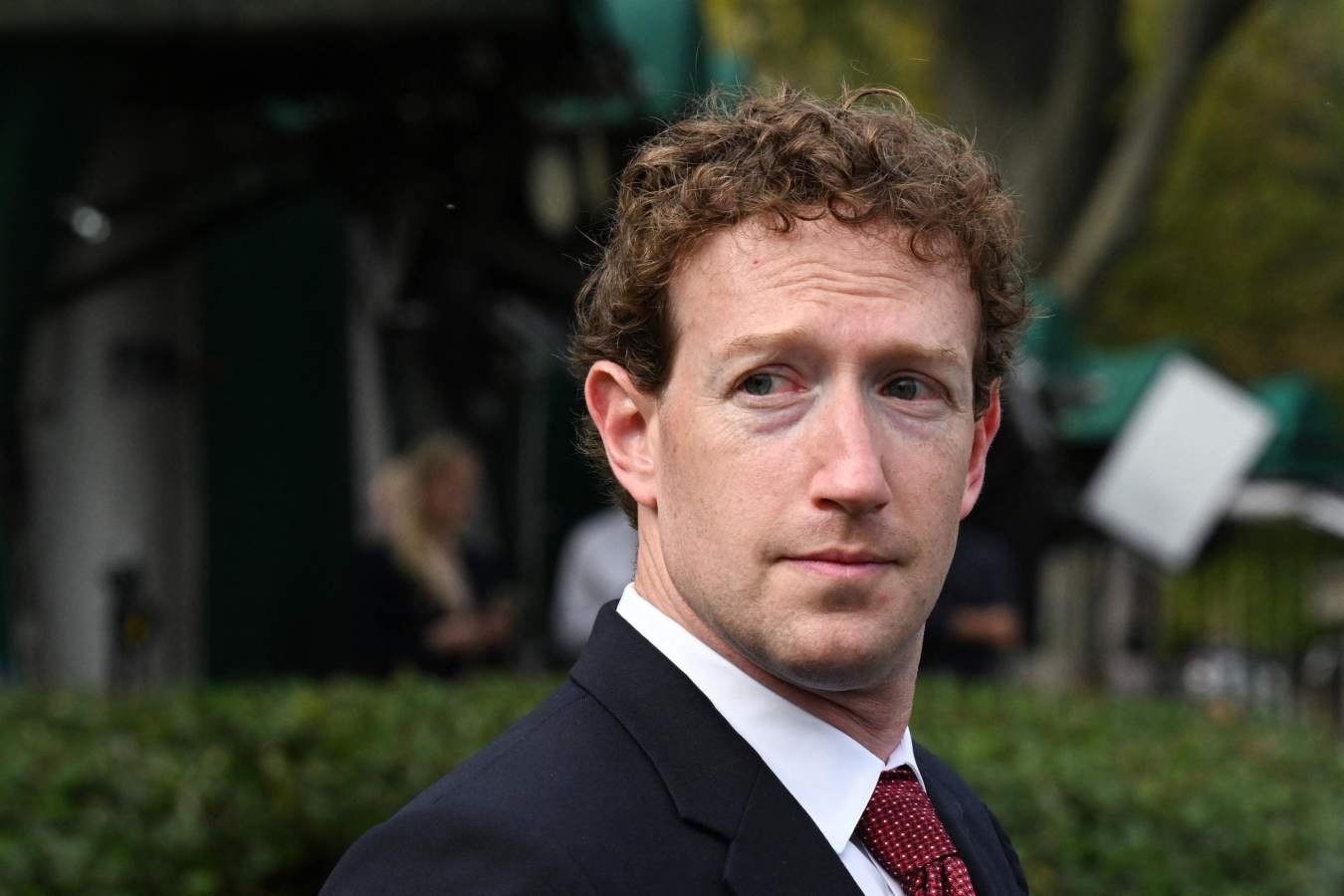
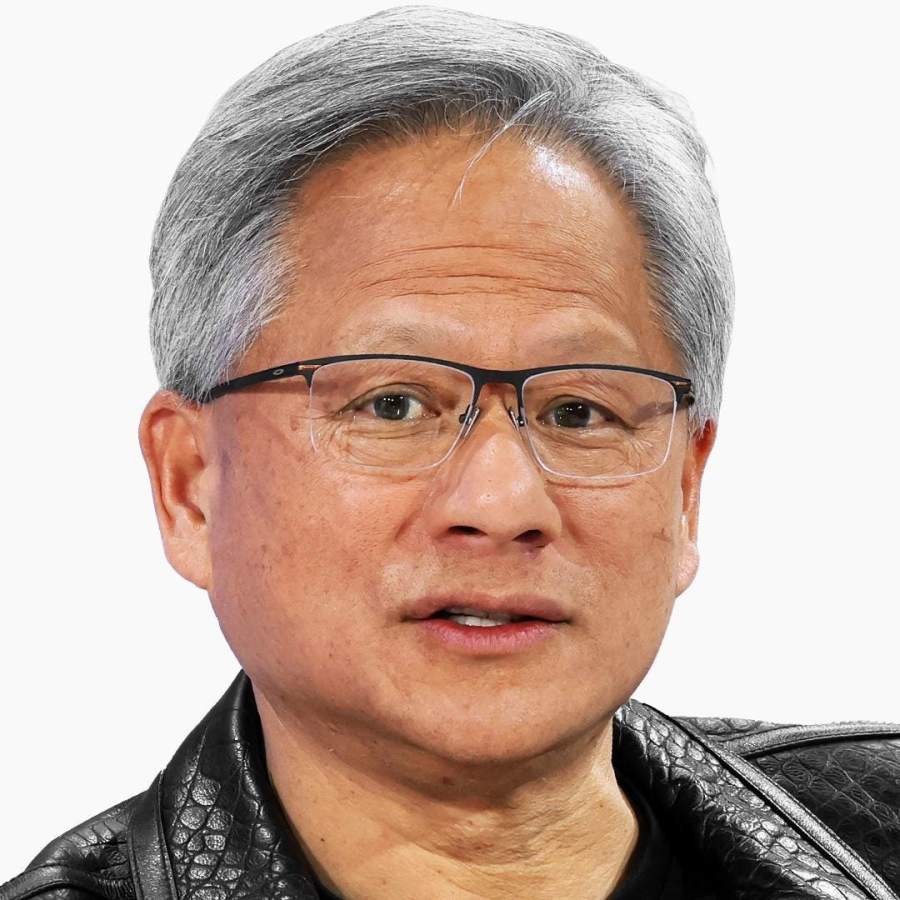
Billionaire Jensen Huang’s market-rattling resignation from AI chip giant Nvidia this week puts him in the company of other high-profile tech titans who’ve had their careers shaken by extramarital affairs and workplace relationships, but his intimate relationship with an alleged Chinese spy stands apart by triggering intelligence inquires, Senate investigations and a historic market-cap wipeout.
Key Facts
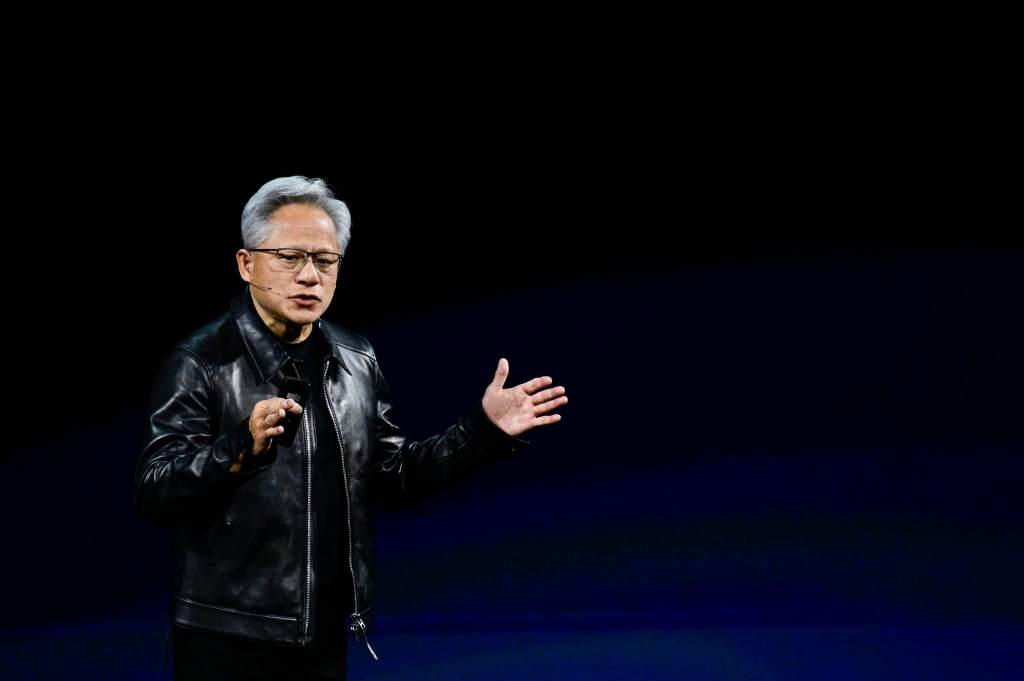
Nvidia has shed roughly $500 billion in market value since Huang, who’d led the company for more than 30 years, admitted he’d had an affair with a fellow tech executive now believed to have been a spy working for the Chinese.
The market decline continued when, upon the reporting of an alleged second affair with a Nvidia executive in his chain of command, Huang resigned his post as CEO (a third alleged affair has since been reported by Reuters).
Huang’s unique position as the face of America’s artificial intelligence boom, plus his dalliance with an alleged Chinese operative, has made his one of the most consequential affairs to ever go public among major CEOs—but it’s far from the first to derail a company.
Brian Krzanich was CEO of Intel for five years before he stepped down from his job in 2018 over a consensual, extramarital relationship with a subordinate that violated the company’s managerial non-fraternization policy, a leadership shakeup that led to years of strategic drift and ultimately opened the door for rivals like AMD and Nvidia to overtake the former semiconductor king.
Mark Hurd, former CEO of Hewlett-Packard, was investigated internally over a sexual harassment claim made by a former contractor and while both denied a sexual affair and no harassment was found, discovery of related company ethics violations ultimately sparked his resignation, an HP stock tumble of nearly 10% that wiped out billions in market value and a chaotic era of rotating CEOs that eventually saw HP split into two separate companies.
Former Boeing president and CEO Harry Stonecipher was forced to resign in 2005 after an anonymous whistleblower exposed an extramarital affair with a female Boeing executive via explicit emails sent over company servers, and Harvard Business School analysts later linked Boeing’s 737 MAX engineering shortcuts and strategic drift back to the leadership turmoil brought by the transition between Stonecipher and his replacement, Jim McNerney.
Laurent Freixe, who was brought to Nestlé to reverse sluggish sales, was fired following a probe that found he’d concealed a romantic relationship with a direct subordinate—his departure plunged the company into instability and within six weeks its new CEO had announced plans to cut 16,000 jobs in what Reuters called a “turnaround fire” to restore investor confidence (Freixe is currently in a legal battle with Nestlé over his bonus and unvested shares, and his lawyer told Bloomberg he “disputes both the grounds and the manner of his dismissal.”)
Bernard Looney resigned as CEO of BP in 2023 after misleading the company’s board about his past romantic relationships with colleagues, and his departure immediately wiped out $3 billion in market value and triggered broader leadership unrest.
Surprising Fact
HP, Intel and BP made the same choice Nvidia did after their leaders resigned—they elevated the company’s chief financial officer to interim CEO while looking for a permanent replacement. A year later, they all trailed the S&P 500 by double digits.
Contra
Some major tech companies have fared just fine after their founder’s affair scandals. Microsoft founder Bill Gates abruptly resigned from his company’s board in 2020 after it hired an outside law firm to investigate a claim from a Microsoft engineer that she’d had a years-long sexual relationship with him.
Gates maintained his resignation was not related to the investigation and, because he’d already stepped down as CEO decades earlier, Microsoft’s day-to-day business and stock trajectory were insulated from fallout.
Amazon founder Jeff Bezos went on the offensive when a tabloid published private text messages sent to his now-wife Lauren Sánchez while he was still married to MacKenzie Scott. Because the company’s board stood behind him amid threats of extortion from Enquirer parent company American Media Inc., he was able to keep his job and remained CEO for two more years before stepping down.
Andy Rubin, the creator of Android, had an extramarital relationship with a subordinate while working at Google that ended in a sexual misconduct allegation alleging he’d coerced her into performing sexual acts.
Rather than make the allegation public, Google allowed Rubin to leave the company with what the New York Times called a “hero’s farewell” that included a $90 million exit package. The secret payout was revealed years later and triggered a historic walkout of employees and $310 million payout to settle shareholder derivative lawsuits, but its effect on the company’s stock price and core financial performance was short-lived.
Rubin’s camp acknowledged the relationship but denied the allegations of impropriety and accused his ex-wife of helping to fabricate the claims as part of a coordinated effort to damage his reputation. He was never criminally charged.
Key background
Huang’s situation is substantially different from the affairs of tech CEO’s past because of its ties to the intelligence community. The first affair of Huang’s to be revealed—and the only one he has admitted to—was with Alice Huang, the leader of a Singaporean tech company now believed to have been a Chinese spy working to dodge American regulations against exporting advanced AI chips to China.
The New York Times reported she created her company, Megaspeed, as a shell company and worked to accumulate A.I. chips and provide access to the technology to China’s companies. U.S. intelligence officials and government memos allege that Alice Huang acted as an intelligence asset for Beijing, though China’s foreign ministry has dismissed those claims as unsubstantiated.
Lawmakers have called for investigations into whether the affair compromised national security and Huang has agreed to brief lawmakers in a closed-door session. Commerce Secretary Howard Lutnick has agreed to testify before Congress over national security concerns related to the scandal.
Forbes Valuation
Huang is worth an estimated $141.9 billion as of the closing bell Friday as the 13th richest person in the world. Last week, before news of his affair was confirmed, he was worth roughly $155 billion and ranked No.8 on Forbes’ real-time billionaires list.
What to Watch for
A potential divorce. The affair admission has sparked speculation Huang and his wife, Lori, could be headed for divorce after 41 years of marriage—and Lori could walk away with tens of billions if they do.
According to Nvidia’s 2026 proxy, most of the shares attributed to Jensen are held in trusts in which both spouses are co-trustees and as a result “may be deemed to have shared Beneficial interest.” It’s unclear if the two may have signed a prenuptial and postnuptial agreement, but California is a community property state, which means any assets that were acquired during the marriage must be divided 50/50 during a divorce.
The divorce could take the cake for the most expensive ever, topping the split between Bill and Melinda Gates and that of Jeff Bezos and MacKenzie Scott.
Want to see more Forbes articles on your feed? Tap here to make Forbes Australia a preferred source on Google.
Look back on the week that was with hand-picked articles from Australia and around the world. Sign up to the Forbes Australia newsletter here or become a member here.