Australia’s outdated financial infrastructure is leaving $24 billion on the table, according to OKX Australia’s CEO. Forbes Australia digs into the latest research to understand the proposed fixes.
We all know that moving money from one place to another has become easier and cheaper over the last decade. But, what looks seamless on the customer-facing front of finance, can hide a vast, complex set of processes behind the scenes.
A new report, conducted by the Digital Finance Cooperative Research Centre (DFCRC) and the Digital Economy Council of Australia (DECA), has quantified the impact of maintaining Australia’s traditional, legacy financial systems versus upgrading them with shiny, new “pipes.”
The findings suggest modernising the technology could add $24 billion a year to the economy, roughly 1 per cent of GDP. However, the research indicates that due to a lack of permanent government infrastructure and regulatory coordination, Australia is currently on track to capture only $1 billion of that value by 2030.
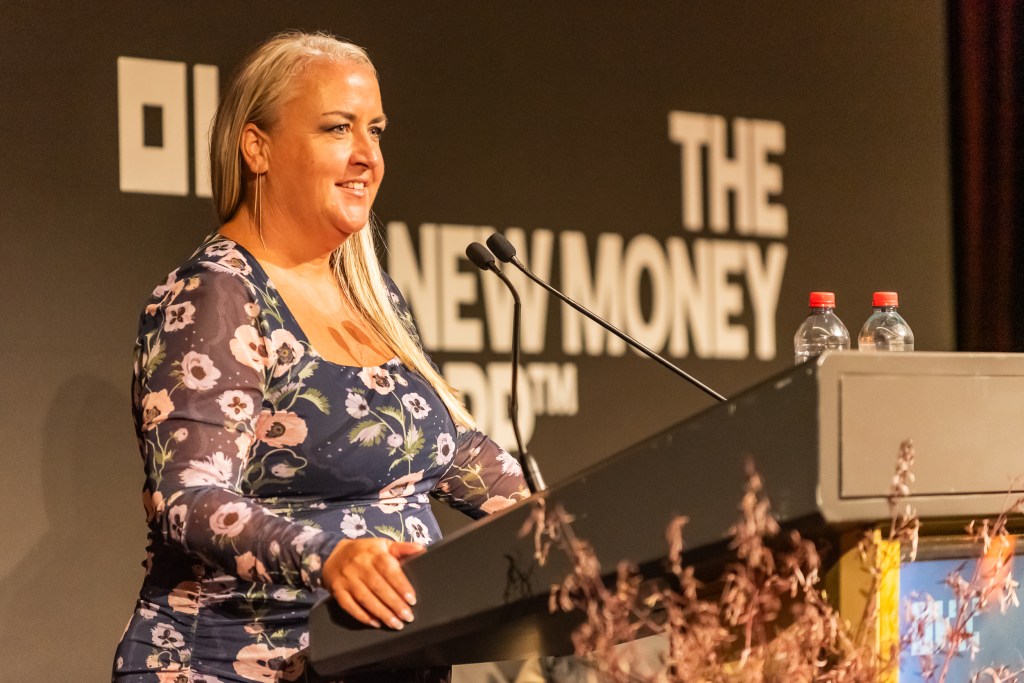
This $23 billion gap between potential and reality represents what the report calls the cost of inertia. OKX Australia CEO Kate Cooper says the technology already exists but regulation is holding it back. To Cooper, the potential for improvement is concentrated in specific categories like tokenised real world assets, settlement through stablecoins, and cross-border transfers.
Fixing the leaks in the national financial pipes
The report identifies that the current financial system is operating with outdated pipes that rely on manual processing and a complex chain of intermediaries. This friction acts like a leak in the economy, draining value from every transaction. To plug these leaks, the research highlights three specific upgrades to the national infrastructure.

The first is the establishment of a permanent digital financial market infrastructure “main tap.” The report posits that Australia is currently stuck in a cycle of temporary trials – where the government only allows digital trading for a short time before shutting it down.
By installing a permanent “main tap” that is always on, the government acts as the water regulator. They are providing the official, certified connection point that the private sector needs. This gives the legal “green light” for digital money and assets to flow securely through the system, removing the current blockages where banks and lawyers are forced into slow, manual checks.
The second upgrade recommended in the research involves modernising the licensing framework to provide standardised fittings for the entire industry. The report identifies a major problem: currently, the digital pipes used by new asset companies, and the traditional pipes used by banks, are different shapes and sizes. Because of this mismatch, businesses are forced into a patchwork system for every single transaction.
By updating the licensing rules, the report argues the government can set a universal pipe size, allowing systems to click together instantly and ensuring the connection is watertight.
The third upgrade involves the government providing the foundational “mainline.” In a home, the mainline is the high-pressure pipe from the street that connects your house to the city’s water supply. If that pipe is strong, every tap in the house works at full power. In the financial system, this mainline is an official, digital version of the Australian dollar.

Many financial transactions still rely on batch settlement systems that can take days to finalise. The report suggests that by providing a high-pressure digital “mainline,” the government creates a secure, official stream of money that private-sector innovators can safely tap into, replacing the old manual ways with a modern, authorised digital system.
Clearing the blockages in markets and assets
By upgrading these digital pipes, the report suggests Australia can clear the blockages that currently slow down the parts of the economy where the most money moves. The research shows three main areas where a better “flow” would create the $24 billion annual gain:
- Better markets ($10 billion per year): This is for the stock market and swapping currencies. Currently, it takes days for the plumbing to “clear” a trade. A modern digital system stops this backlog and saves billions in lost time.
- Better payments ($8 billion per year): This is about moving money between businesses. By using those standardized fittings, money moves as fast as a text message instead of getting stuck in different bank systems.
- Better assets ($6 billion per year): This is for big investments like property. When these are turned into digital tokens that fit the new plumbing, they are much easier to buy and sell, letting money flow exactly where it is needed.
Capturing this $24 billion gain requires overcoming what OKX Australia’s Cooper calls a disjointed system, where manual friction prevents digital plumbing from linking to the broader economy. The report argues that without regulatory coordination Australia risks capturing only a fraction of the potential gains.
Want to see more Forbes articles on your feed? Tap here to make Forbes Australia a preferred source on Google.
Look back on the week that was with hand-picked articles from Australia and around the world. Sign up to the Forbes Australia newsletter hereor become a member here.