From an intelligent ‘longevity mirror’ to Boston Dynamics’ Atlas Robot, CES is the place to be to see the next round of cutting-edge technology. Dr Catherine Ball‘s boots were on the ground in Las Vegas, here are her top six tech tools.
CES is often described as a gadget show, but that is like calling the Great Barrier Reef “a bit of coral”.
CES is a global diagnostic.
It tells you what the world thinks is possible, what investors think is fundable, and what product teams believe consumers will tolerate in their kitchens, cars, and bodies.
This year in Las Vegas, the mood shifted. Less novelty, more infrastructure. Less “look what my device can do”, more “look what the system can quietly carry for you”. The strongest themes were physical AI, longevity, care, and inclusion. In other words, technology that is finally growing up and being asked to behave like a responsible adult.
Here are my six standout signals from the floor, in the order I think they matter most.
1) LEGO and the return of tangible intelligence
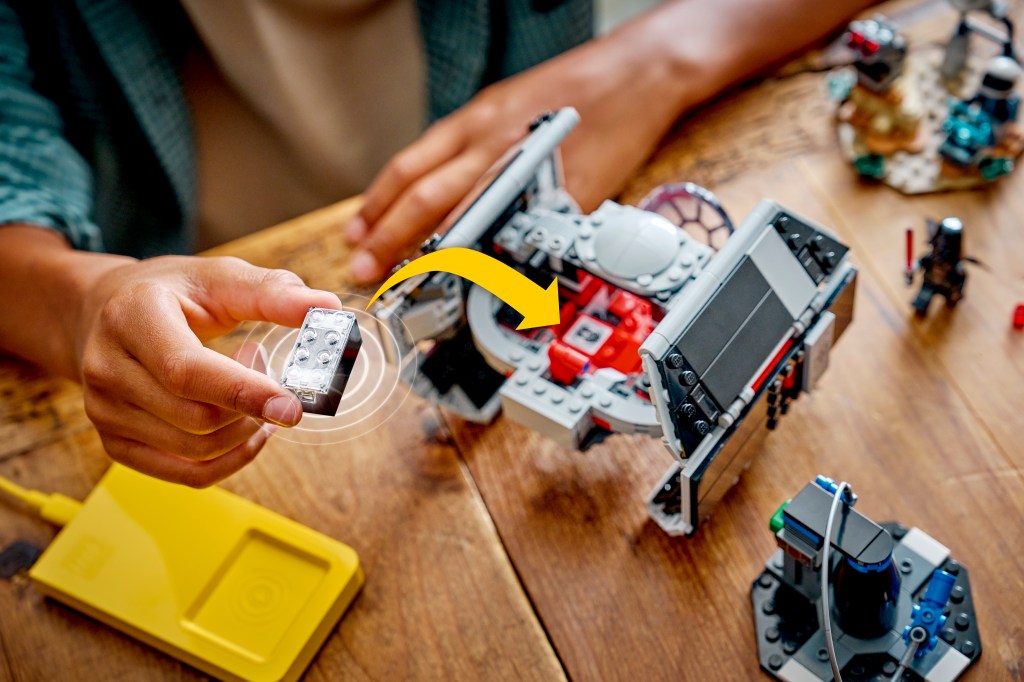
LEGO was my number one because it reminded everyone, politely, that intelligence is not just computed. It is constructed. We learn through friction, constraints, and the physics of the real world. LEGO’s CES push into SMART Play, including its “SMART Brick” concept packed with sensors and on-board capability, is interesting on the surface. What matters more is the deeper message: the future is not screen-first. It is interaction-first. The most future-ready minds will be the ones who can build, test, and iterate in the real world, not just prompt in the cloud.
If Australia wants a generation that can lead in robotics, climate tech, cybernetics, and space, we should be investing harder in play, making, and hands-on systems thinking, not treating it as an optional extra.
2) Atlas robot and the moment robotics stopped asking for applause
Atlas is the kind of robot that makes people grin, then go quiet. Boston Dynamics’ Atlas unveiling at CES, with Hyundai positioning it as part of a commercialisation push, signals a bigger shift: humanoid robotics is moving from “look what it can do” to “what job will it do, safely, every day”.
This is not about a single robot. It is about capability finally catching up to demand. Labour shortages, dangerous work, repetitive tasks, and the need for resilient supply chains are all converging. Atlas is a marker that industry is ready to absorb more physical automation, and the best organisations will start planning now for mixed teams of humans and machines.
3) NVIDIA and Mercedes: the car becomes a reasoning system
The NVIDIA announcements were huge, but the Mercedes thread was the most important for everyday life. The message was clear: vehicles are becoming software-defined, AI-defined platforms that can be upgraded over time, not static products that slowly age in your driveway. NVIDIA’s DRIVE AV push and Mercedes’ MB.OS direction point to an era where driver assistance is less a feature set and more an operating layer, tuned, trained, and updated. (Reuters)
This matters well beyond cars. It is a preview of how everything will work: continuously improving systems with embedded AI, wrapped around real-world responsibility. For Australian cities, regional mobility, and logistics, it is also a reminder that autonomy is not a distant sci-fi debate. It is becoming a procurement and policy reality.
4) Intelligent mirrors for health and longevity
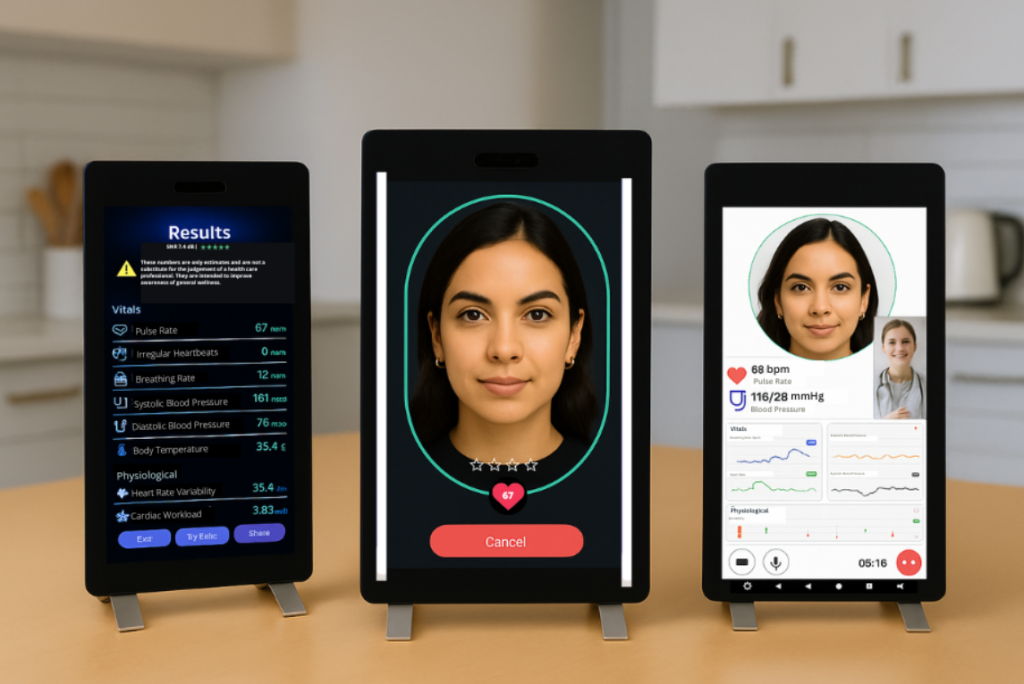
Longevity tech is having a moment, and the intelligent mirror is becoming one of its most compelling interfaces. NuraLogix’s Longevity Mirror created a lot of chatter because it turns a short selfie into a set of health indicators and a score. It is provocative, a bit confronting, and also a glimpse of where consumer health is heading: passive data capture, fast interpretation, and behaviour nudges, delivered in the most human place imaginable, the mirror.
We should hold this category with both curiosity and caution. Health signals are not destiny, and “scores” can become anxiety machines if used badly. But the direction is powerful. Health is moving upstream. Less hospital drama, more everyday prevention. The opportunity for Australia is enormous here, if we build products and policies that privilege evidence, privacy, and outcomes over hype.
5) Ambient AI for aged care: quiet tech, big dignity
The most meaningful innovations at CES are often the least flashy. Ambient AI for aged care is one of them. The best examples are not trying to strap a gadget onto an older person and hope they remember to charge it. They focus on the environment, passive sensing, and gentle support that helps people live independently for longer, while supporting carers and families. Samsung’s CES messaging around AI home monitoring and safety is part of this broader trend, as are specialised “high privacy” monitoring approaches designed for care settings. (Samsung Global Newsroom)
For Australia, this is not a niche. It is national infrastructure. Ageing is one of our defining challenges and opportunities. Ambient care done well could reduce falls, improve early detection of decline, support workforce gaps, and keep people connected to community. Done badly, it becomes surveillance theatre. The race is on to do it well.
6) Accessibility haptics, smart glasses, wearables, and Lili
Accessibility had a genuinely strong year, and it deserves more airtime than it usually gets. Haptics, smart glasses, and assistive wearables are shifting from novelty to real capability. CES Innovation Award listings like the lumen glasses show how tactile guidance can support navigation and independence in practical ways. (ces.tech)
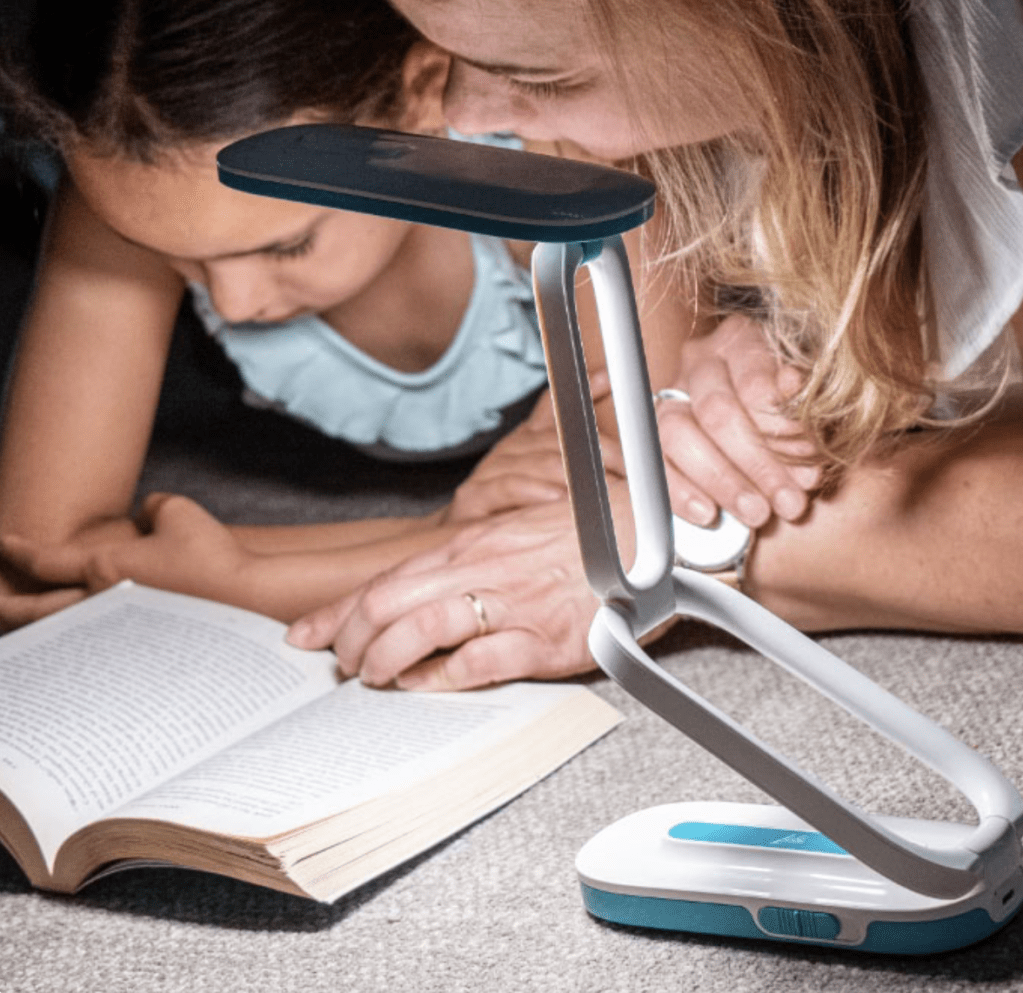
And then there is Lili, the dyslexia-friendly desk screen. I love this because it is not trying to “fix” the person. It is redesigning the interface. Lili’s monitor uses modulated light technology intended to make on-screen reading less fatiguing for people with dyslexia. It is a reminder that the future is not only about inventing new things, it is about making existing things usable for more humans.
Inclusion is not charity. It is performance. It is productivity. It is talent retention. It is also basic decency, which we should treat as a competitive advantage.
A hopeful call to action
Here is the part I wish more leaders understood: conferences like CES are not a junket. They are fieldwork. They are where you can feel the direction of travel before it shows up in your market, your workforce, your customers, or your home. They are also where you build the relationships that make the future less scary and more buildable.
If you want to stay ahead of the game, do not outsource your curiosity. Get yourself, or your team, into global leading conferences. CES, Mobile World Congress, SXSW, Web Summit, COP, the big health and longevity forums, the robotics and defence ecosystem gatherings. Go with intent. Set a question before you arrive. Walk the floor like a scientist, not a tourist. Then bring the insights home and translate them into action.
Australia does not need to be a spectator nation. We can be a builder nation. But that requires proximity to the frontier, and the humility to keep learning in public. The future is being demoed, debated, and decided in rooms like these. Make sure we are in them.
Adjunct Professor, Dr Catherine Ball is an award-winning, company director, bestselling author and futurist working across projects where emerging technologies meet humanitarian, education and environmental needs.
Look back on the week that was with hand-picked articles from Australia and around the world. Sign up to the Forbes Australia newsletter here or become a member here.