Meta released Muse Spark, previously named Avocado, on Wednesday, the much-anticipated—and delayed—first large language mode under AI chief Alexandr Wang, sending Meta shares soaring as the company seeks to catch up to industry AI giants OpenAI, Google and Anthropic.
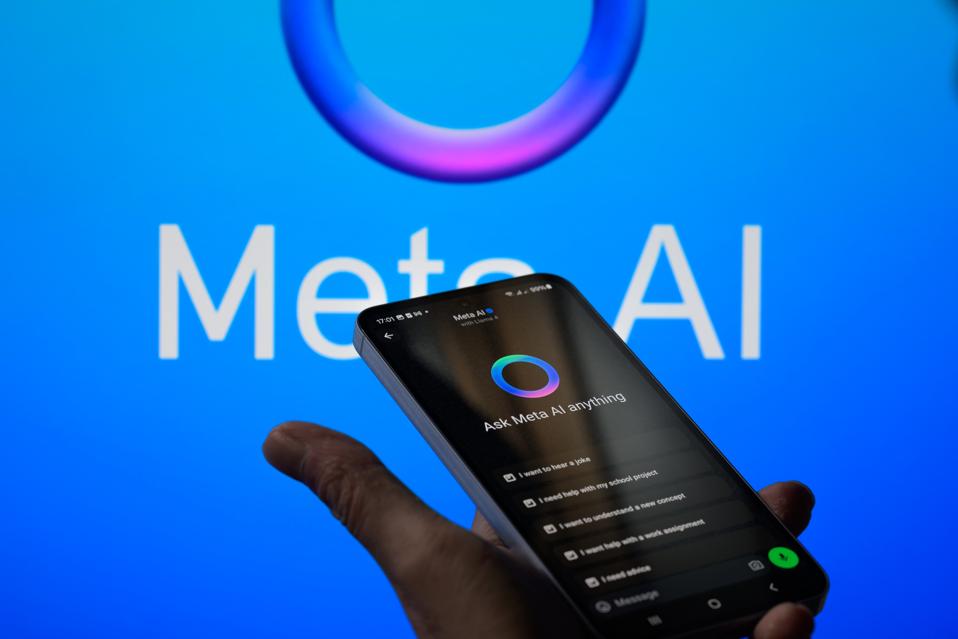
Meta announced Muse Spark on Wednesday afternoon.
Photo by Jonathan Raa/NurPhoto via Getty Images
Key Facts
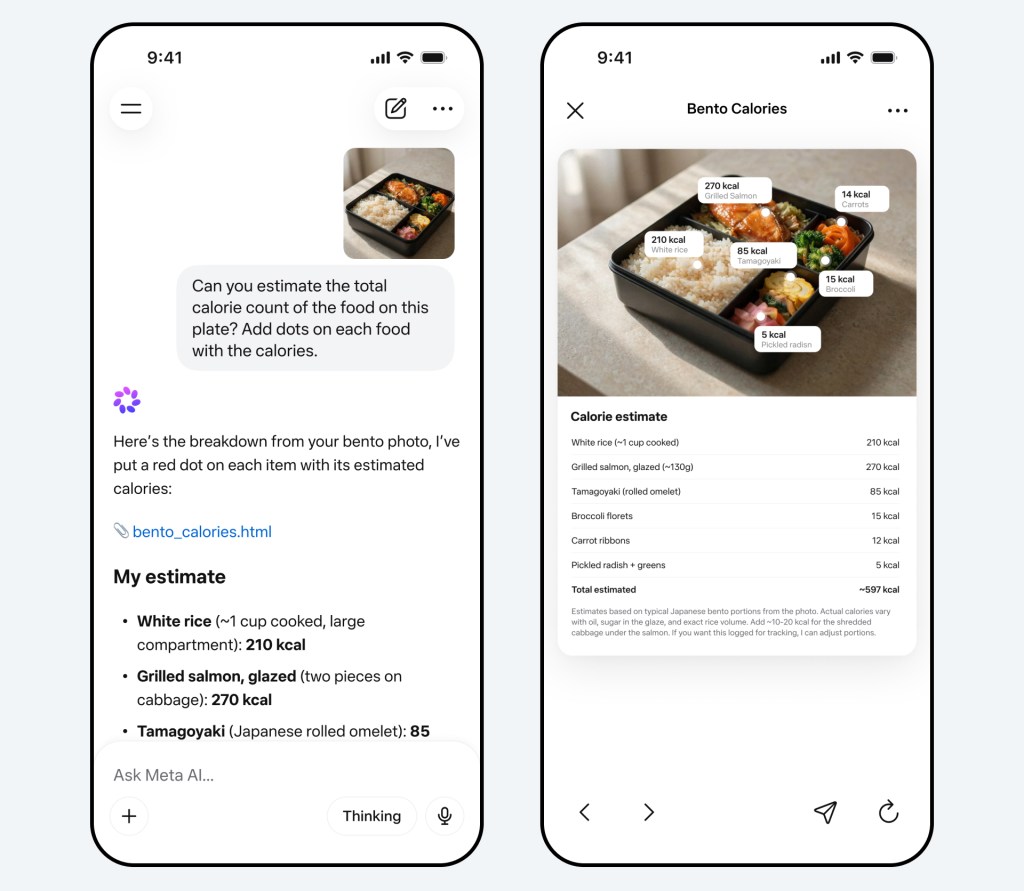
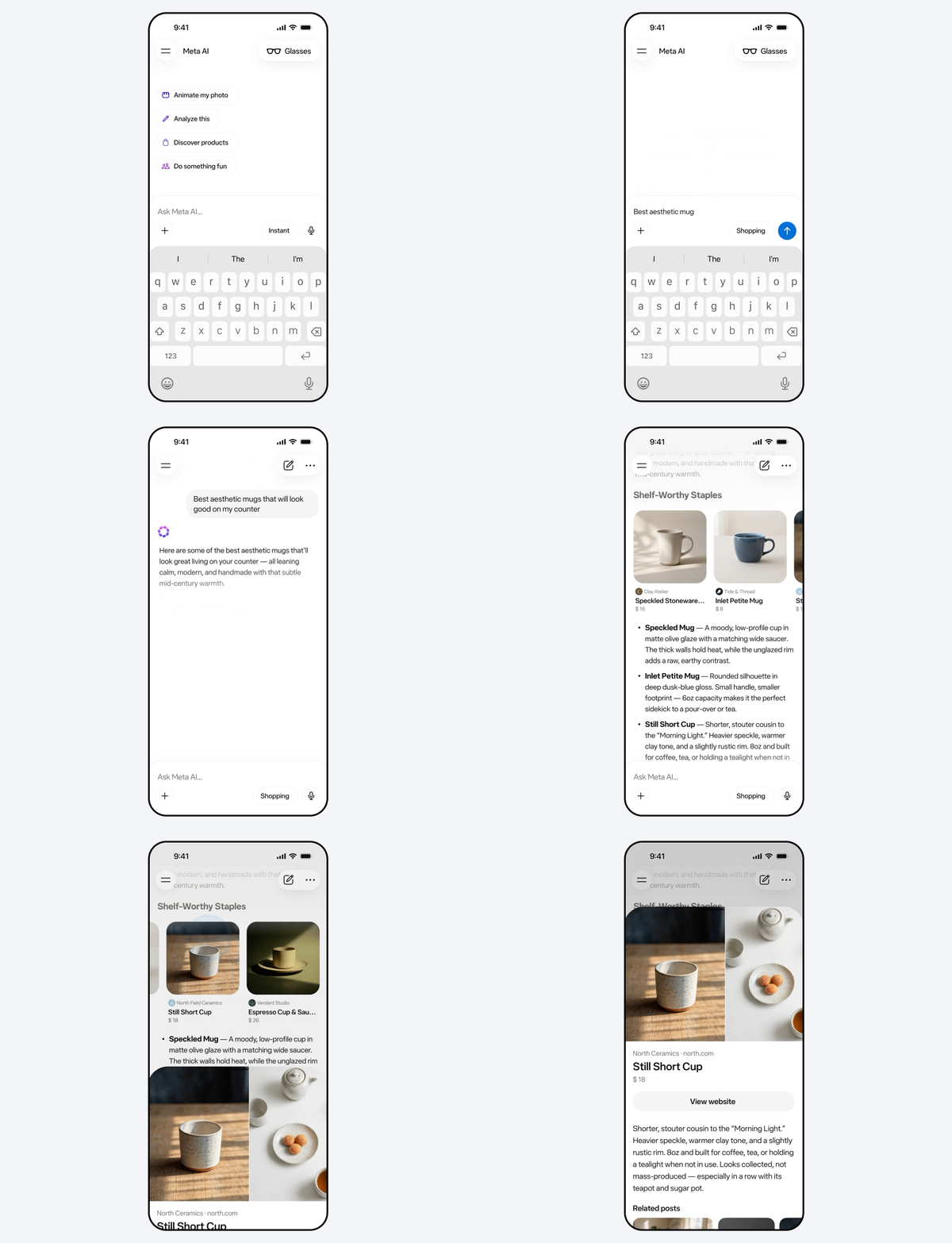
The AI model is available on Meta’s AI website and its app, with the company claiming it can carry out the same actions as its previous model, Llama 4 Maverick, with less computing power.
Muse Spark is Meta’s first AI model under Wang, a billionaire tech entrepreneur who Meta brought on as its chief AI officer after investing $14.3 billion into his company, Scale AI.
Meta shares jumped as high as 9% on Wednesday following the announcement, erasing a string of losses recorded in late March.
The release of Muse Spark comes after a delay reportedly caused after the AI model failed to outperform rival models developed by Google, OpenAI and Anthropic in benchmark tests.
A comparison table in Meta’s announcement claims Muse Spark can compete with or outperform rival AI models in various benchmarks.
Big Number
$135 billion. That is how much money Meta expects to spend on AI this year, nearly double what it spent in 2025.
Forbes Valuation
We estimate Wang’s net worth at $3.2 billion. The entrepreneur was the world’s youngest self-made billionaire until October 2025, when Polymarket founder Shayne Coplan took over the title.
Tangent
Meta is in the thick of litigation accusing it of designing addictive apps harmful to children and was recently ordered to pay $375 million in damages after a New Mexico jury ruled that the company enabled child exploitation on its platforms. A California jury also found Meta liable in a landmark social media addiction case, forcing the company to pay $3 million in damages to a woman who accused it of intentionally designing its apps to be addictive to children.
Key Background
Meta has run into obstacles amid the AI race, with its Llama 4 model underperforming following its release in 2025. The company began sinking more money into artificial intelligence when it acquired a 49% non-voting stake in Wang’s Scale AI for about $14 billion last summer, adding the billionaire to its Superintelligence Labs team.
Meta announced months later it would commit $600 billion into AI infrastructure in the U.S. through 2028. Layoffs were also made last year, according to Bloomberg, with Meta shedding hundreds of jobs that included workers within its Reality Labs division—the unit responsible for developing the now-defunct Metaverse. The division recorded $80 billion in losses as Meta failed to reach its goal of 500,000 monthly active users for Horizon Worlds, a social virtual reality (VR) platform that logged less than 200,000 monthly active users, according to The Wall Street Journal.
Want to see more Forbes articles on your feed? Tap here to make Forbes Australia a preferred source on Google.
Look back on the week that was with hand-picked articles from Australia and around the world. Sign up to the Forbes Australia newsletter here or become a member here.