These 7 must-read publications made a splash in 2025 and are highly recommended reads for you to upskill your business acumen over the summer break.
A learner’s work is never done, including while lounging by a pool or soaking up the beachside sun. With just one day to go before 2026 is upon us, we have selected seven of the best business books of 2025, and five more that come recommended by one of the brightest minds in the business.
Letting Go of being let go
Australian-born author and former Instyle magazine editor Laura Brown, teamed up with Kristina O’Neil – formerly the editor of the WSJ magazine – to pen this unique and much-needed book, after they were both let go from their prestigious editorial positions. It promises to ‘turn losing your job into an epic comeback’ and offer an ‘unfiltered, comprehensive GPS guide to rebuilding your career on your terms.’

Let Them
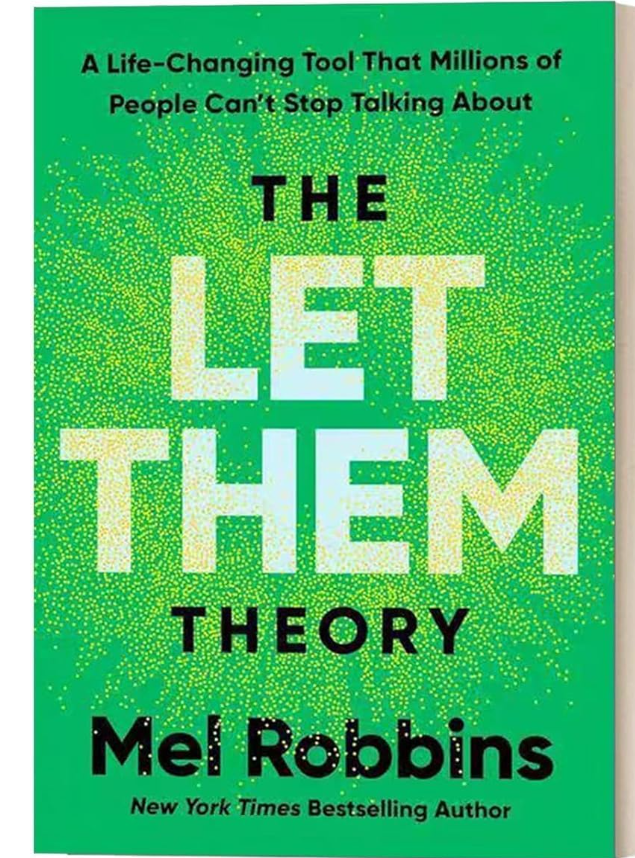
No 2025 book list would be complete without Mel Robbins breakout tome, ‘The Let Them Theory.’ Translated into more than 44 languages, the book has become a pop culture reference and held the top spot on The New York Times bestseller list every week this year. It was technically published on December 24, 2024, but it was 2025 that saw ‘Let Them’ and Mel Robbins transcend the zeitgeist.
The powerplayers dominating the development of AI
Karen Hao is a Silicon Valley insider with deep knowledge of the ascent of OpenAI and its’ controversial leader, Sam Altman. Formerly a reporter for the WSJ, Hao chronicles the proprietary resources required to build AI, calling it reckless and an ‘arms race for dominance.’ She details the challenge of acquiring scarce GPU chips, feeding the data beast, sweatshop wages in the Global South, and the demands placed on already challenged energy and water supplies.
Scaling smart: new leadership for new phases of growth
When I was reporting on Uber getting off the ground in California more than a decade ago, it became apparent that the hard-charging CEO who broke barriers and disrupted the status quo, may not be the right leader to scale the pioneering transportation company into its next period of growth. What that taught me and many others, is that leadership of a company needs to carefully fit that period of its growth story, and that not all leaders have the same skill sets.
Written by senior partners at McKinsey, ‘A CEO for all Seasons’ highlights leadership blind spots that can sabotage success and surveys thousands of company leaders to offer proven strategies for maintaining forward progress.
“If you always do what you always did, you will always get what you always got.” – Albert Einstein
Speaking of the power of disruption, understanding the pivotal transformations that have upended traditional methodologies puts a leader in great stead to navigate inevitable further disruption. A student of Clayton Christensen, whose seminal work ‘The Innovators Dilemma‘ is more relevant than ever, author Scott D. Anthony walks us through the printing press, the iPhone, mass-produced automobiles, and the food system pioneered by McDonalds, to understand how radical change launches new powers and reshapes industries.
How the past can inform the future
At Forbes, our mandate is to illuminate the people behind the companies, industries, and events that define business. In his book ‘1929,’ storied NY Times journalist Andrew Ross Sorkin gives that same treatment to the bull market-ending stock crash of the late 1920s. In a cautionary tale of how the good times can abruptly end, Sorkin delivers a fly-on-the-wall account of the “raging battle between Wall Street and Washington” by describing the “larger-than-life characters whose ambition and naivety in an endless boom” led to its demise.
Geopolitics digital-style
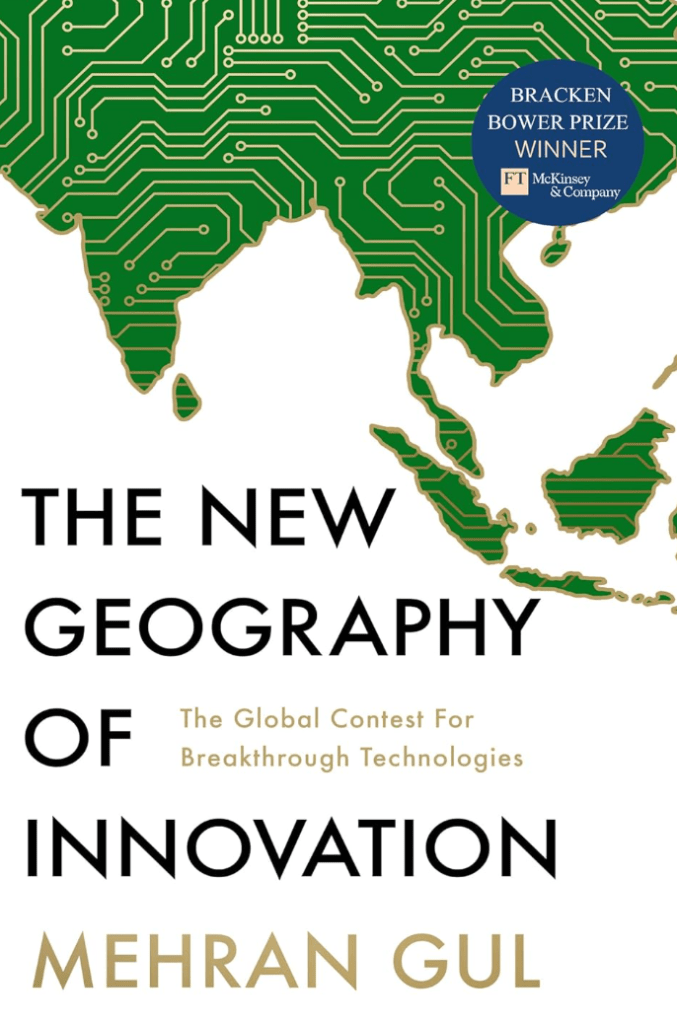
Gone are the days when Silicon Valley was the only place to start a world-leading company, and high-skilled immigrant intellectual capital was welcomed to propel US innovation forward. As author Mehran Gul posits, “the world has a lot more high-value tech companies than ever before, growing a lot faster than ever before, in a lot more places than ever before.” We have all heard of Sino giants BYD, DJI, and TikTok, but besides China, Gul asks what other nation-states are pioneering game-changing innovation?
Bill Gates Bonus books
Each year, Gates releases his list of must-read books. From an observant aquarium-bound octopus, to the shaping of Hollywood studio Paramount – which now owns Australian media properties among many others – Gates aims to recommend reads that “pull back the curtain on how something important really works.”
Here are his picks for 2025, alongside why he got so much out of them.
“I don’t read fiction often, but when I do, I want to read about interesting characters who help me see the world in a new way. Remarkably Bright Creatures delivered on that front. I loved this terrific novel about Tova, a 70-year-old woman who works night shifts cleaning an aquarium and finds fulfillment caring for a clever octopus. Tova struggles to find meaning in her life, which is something a lot of people deal with as they get older. Van Pelt’s story made me think about the challenge of filling the days after you stop working—and what communities can do to help older people find purpose.”
“I’ve known Barry Diller for decades, but his memoir still surprised and taught me a lot. He’s one of the most influential figures in modern media. He invented the made-for-TV movie, helped create the TV miniseries, built Paramount into the #1 film studio, launched the Fox broadcast network, and later assembled an internet empire. He’s spent his life betting on ideas before they were obvious, and the industries he’s transformed show how much those bets can pay off.”
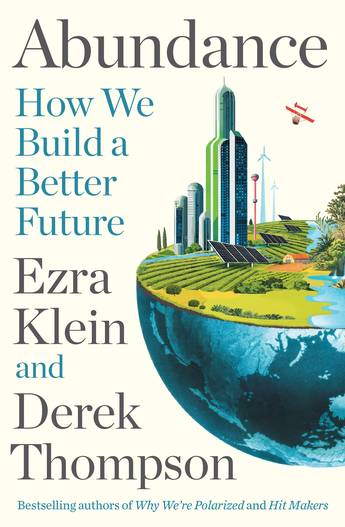
“This book [by Ezra Klein and Derek Thompson] is a sharp look at why America seems to struggle to build things and what it will take to fix that. Klein and Thompson argue that progress depends not just on good ideas but on the systems that help ideas spread. Today, these systems often slow things down instead—from housing and infrastructure to clean energy and scientific breakthroughs. I recognized many of the bottlenecks they describe from my own work in global health and climate. Abundance doesn’t pretend to have all the answers, but it asks the right questions about how the U.S. can rebuild our capacity to get big things done.”
“I’ve followed Hannah’s work at Our World in Data for years, and her new book is one of the clearest explanations of the climate challenge I’ve read. She structures it around 50 big questions—like whether it’s too late to act, whether nuclear power is dangerous, and whether renewables really are affordable—and answers each one in concise, accessible language. She’s realistic about the risks but grounded in data that shows real progress: Solar and wind are growing at record speed, electric cars are getting cheaper, and innovation is accelerating across areas like steel, cement, and clean fuels. If you want a hopeful, fact-driven overview of where climate solutions stand, this is a great pick.”
When Everyone Knows That Everyone Knows
“Few people explain the mysteries of human behaviour better than Steven Pinker, and his latest book is a must-read for anyone who wants to learn more about how people communicate. When Everyone Knows That Everyone Knows shows how “common knowledge” lets people coordinate: When we know what others know, indirect signals become clear. Although the topic itself is pretty complicated, the book is readable and practical, and it made me see everyday social interactions in a new light.”
Look back on the week that was with hand-picked articles from Australia and around the world. Sign up to the Forbes Australia newsletter here or become a member here.