With streaming services entering the marketplace for shows, the lines between podcaster, TV host and internet creator have never been blurrier—and the paydays have never been bigger.
When Jay Shetty started his podcast On Purpose in 2019, he remembers people telling him he was too late. The medium was already saturated, they said, with little room for growth. And wasn’t he really just a content creator?
Seven years later, the 38-year-old self-help guru hosts one of the most popular podcasts in the world, competing not only with the biggest TV, radio and internet-native talk shows but blurring the lines between them entirely. Just as many people watch his lengthy interviews with celebrities (including Michelle Obama and Matt Damon) on YouTube as listen on the iHeartMedia network—distribution deals that Forbes estimates paid Shetty $21 million over the past 12 months. And when those deals expired this year, Shetty landed a new kind of contract, in which the audio and video of his show will not only be distributed by Spotify; it will also stream on Netflix, with the two companies combining to pay him an estimated $100 million over the next three years.
“When I started, video wasn’t normal for a podcast,” Shetty tells Forbes. “Now we had the four largest streamers bidding for the show. To see that kind of interest and enthusiasm was pretty amazing—for me and for the industry overall.”
The impressive thing about megadeals like Shetty’s is that unlike the makers of movies, TV or other forms of entertainment, podcasters retain ownership of their show’s underlying IP, meaning networks and platforms are paying millions just to license it as a distributor and ad sales partner for a set number of years. That’s one reason why premium streaming giants like Netflix, Hulu and Tubi had largely ignored the industry’s rise over the past decade, allowing YouTube to grow into the largest podcasting platform in the world. But beginning in 2025, hoping to cut into YouTube’s dominance over engagement time, the streamers have made a splashy entrance.
Industry dealmakers say that after Netflix’s initial $1 million to $2 million bids for top podcasts were roundly rejected, the streamer adopted a strategy similar to the one it used previously to capture market share in scripted television—overpaying to lure talent away from incumbent platforms. Offers of $10 million or more per year (on a one- or two-year trial term) eventually convinced marquee shows from Spotify, iHeart and Barstool Sports to sign on. Goalhanger, a U.K.-based podcast network, reportedly landed $19 million from Netflix to stream just 40 episodes of its daily talk show The Rest Is Football during the World Cup.
“We think about video podcasts like a modern talk show,” Netflix co-CEO Ted Sarandos said during the company’s earnings call earlier this year. “But instead of having a single brand-defined show, you have hundreds of them.”
Yet podcasts are ascendant because of their inherent differences from traditional television. They are much cheaper to produce, can run year-round and make the bulk of their money from host-read advertisements inserted into the audio and video recordings. For the highest-end shows, brands will pay premium prices for a trusted host’s personal endorsement, or to target their audience’s specific demographic.
Joe Rogan reigns as the world’s highest-paid podcaster by pairing deep listener trust with massive scale, releasing around 15 episodes per month and attracting more than 80 million downloads and views, according to one data provider. In 2024, Spotify rewarded him with a new three-year contract that could reach $250 million.
For most podcasters, landing a $100 million–plus deal like Shetty’s from one of the major networks—mainly Spotify, SiriusXM or iHeart—is still the ultimate prize. Deals are paid out as a guaranteed advance, with a revenue sharing model in place for any additional profits generated above this break-even point, but competition between networks is what drives the guarantees above $30 million per year for a select handful of elite talent. At that rate, ad sales are unlikely to make back much profit for networks on the shows, if any. “In theory,” says one top talent lawyer, “if the client earns out, you’ve made a bad deal.”
Still, networks justify their biggest deals in other ways, including subscriber acquisition, attracting blue-chip sponsorships and using talent as brand ambassadors. For example, Wondery’s top podcasters, New Heights hosts Jason and Travis Kelce, appeared on a panel for parent company Amazon at the Cannes Lions festival in June.
Talent, meanwhile, are using their megadeals and IP control to create mini-networks of shows under their umbrella, such as Alex Cooper’s Unwell at SiriusXM or Charlamagne Tha God’s Black Effect Podcast Network at iHeart. These networks allow the talent to generate additional revenue by requiring sponsors to advertise across their slate to earn placement on the main show. To date, however, it’s been difficult for these talent-led networks to generate new hits, and because they have to pay all production and overhead costs out of pocket, several companies have seen layoffs (Crooked) and high turnover (Unwell). Independent networks, such as Steven Bartlett’s Flight Story or The Joe Budden Network, have had more success building incrementally.
Even in the best circumstances, the companies exist less for the cash flow they can generate and more for the asset they can become. Bill Simmons sold his podcast network, The Ringer, to Spotify in 2020 for an estimated $200 million, and Conan O’Brien did the same two years later, getting some $150 million from SiriusXM. In April, OpenAI acquired the tech-focused show TBPN for an estimated $150 million in cash and stock, which Forbes estimates netted its hosts, John Coogan and Jordi Hays, nearly $70 million.
Shetty is taking a slightly different approach with his production company, Perfect Strangers, investing in a small handful of premium projects. He now has a few scripted and nonscripted TV shows in development—at Netflix, perhaps not coincidentally—and is a producer on the genre-bending Friends Keep Secrets, a podcast in which hosts Benny Blanco, Dave Burd (better known as Lil Dicky) and Kristin Batalucco entertain celebrity guests while being captured by hidden cameras and microphones scattered throughout their house. It was named by Spotify editors as one of the best new podcasts of the year.
“People often say, ‘Oh, if you did all this [with the podcast], why are you doing other stuff?’ ” Shetty says. “And I’m like, ‘No, you did a lot of this so you could do everything you wanted to do.’ That’s the dream of being an entrepreneur.”
Highest-Paid Podcasters of 2026
1. Joe Rogan
The Joe Rogan Experience (Spotify): $82 million
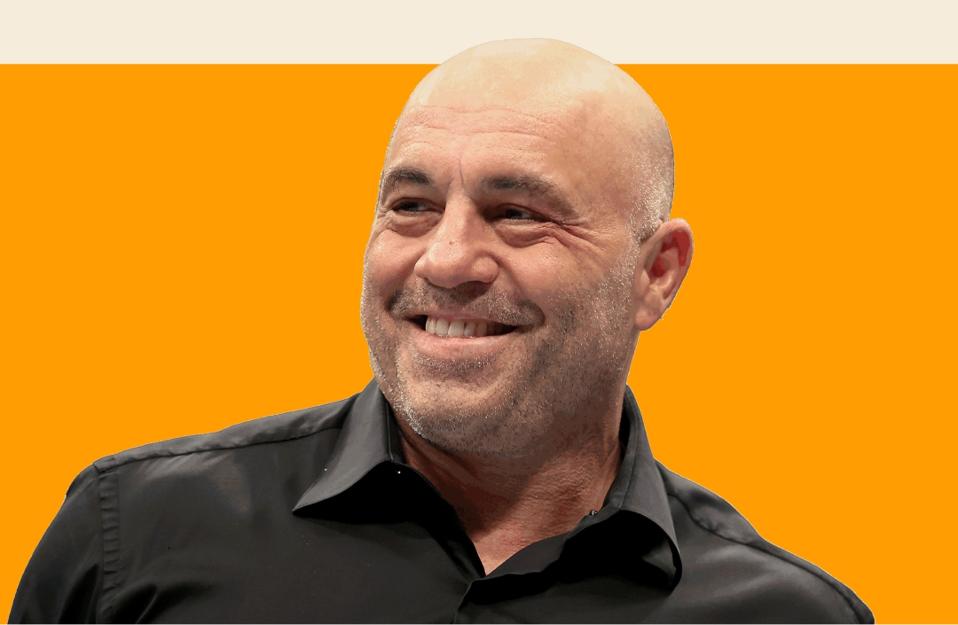
Sitting with the 58-year-old comedian and UFC broadcaster for three-hour conversations at his red-curtained studio in Austin, Texas, has become a rite of passage for anyone, from actors promoting a movie to politicians running for president. And regardless of whether his endorsement of Donald Trump in 2024 impacted the outcome of the election (as his buddy Dana White told Forbes), the widespread conversation about it proves not only Rogan’s power but also the legitimacy of podcasting as a whole.
2. John Coogan, Jordi Hays
TBPN (OpenAI): $70 million
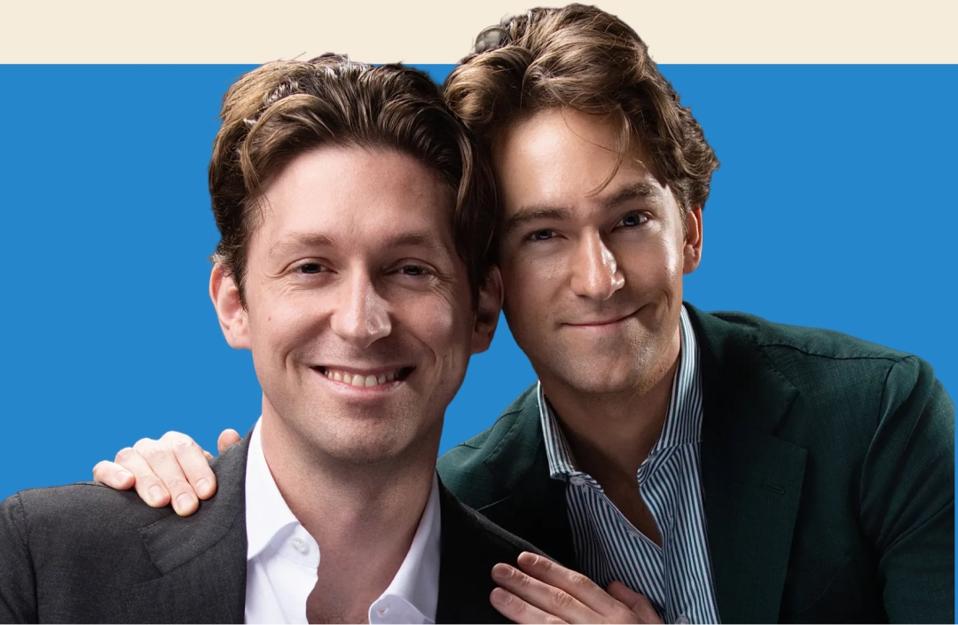
A little less than a year-and-a-half after launching what they hoped to be the “ESPN for tech news,” OpenAI bought the 11-person Technology Business Programming Network (TBPN) for an estimated $150 million in cash and stock. OpenAI founder Sam Altman had previously invested in John Coogan’s first company, Soylent, and Rockwater analyst Chris Erwin called the deal an “acqui-hire” for the fast-growing AI start-up at a time when it will soon need to bend the ear of regulators and investors around its IPO. Still, the show’s rapid growth from $5 million in advertising in year one to a projected $30 million in year two shows that demographics of a show’s audience can be just as important as its size.
3. Steven Bartlett
The Diary of a CEO (Independent): $45 million
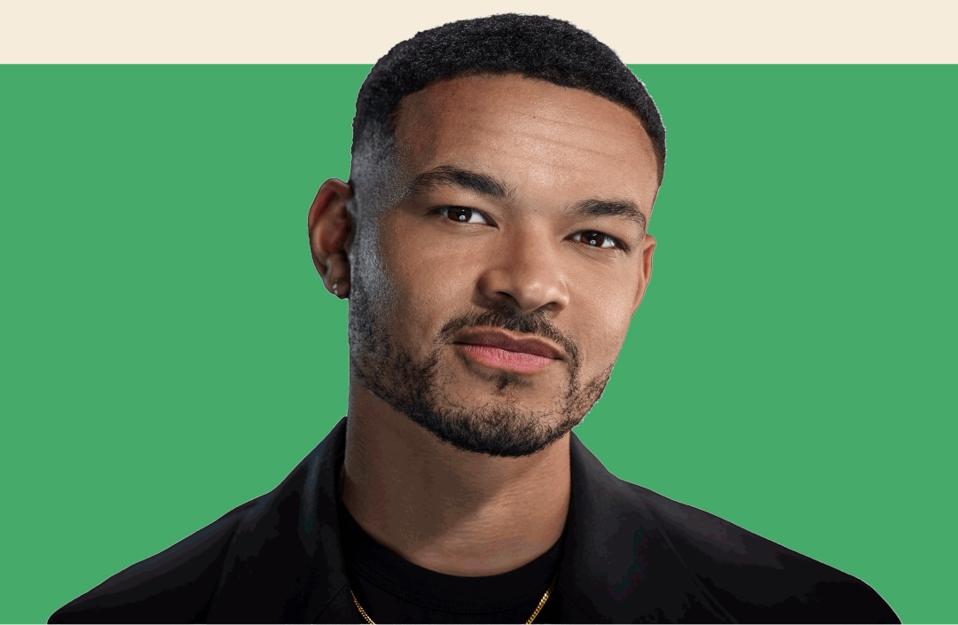
In the first quarter of 2026, Bartlett’s corporate interview show The Diary of a CEO posted its highest revenue quarter ever in the shows nine years, driving the business for the 33-year-old’s entrepreneurial portfolio, which was valued at $425 million last fall in an investment round from private equity backers, including Slow Ventures and Apeiron Investment Group. A 30 Under 30 Europe alum in 2020, Bartlett will also appear on American television this fall as a guest shark on Shark Tank, after several appearances on the show’s UK counterpart, Dragon’s Den, in his native England.
4. Ashley Flowers
Crime Junkie (Red Seat Ventures/Tubi): $42 million
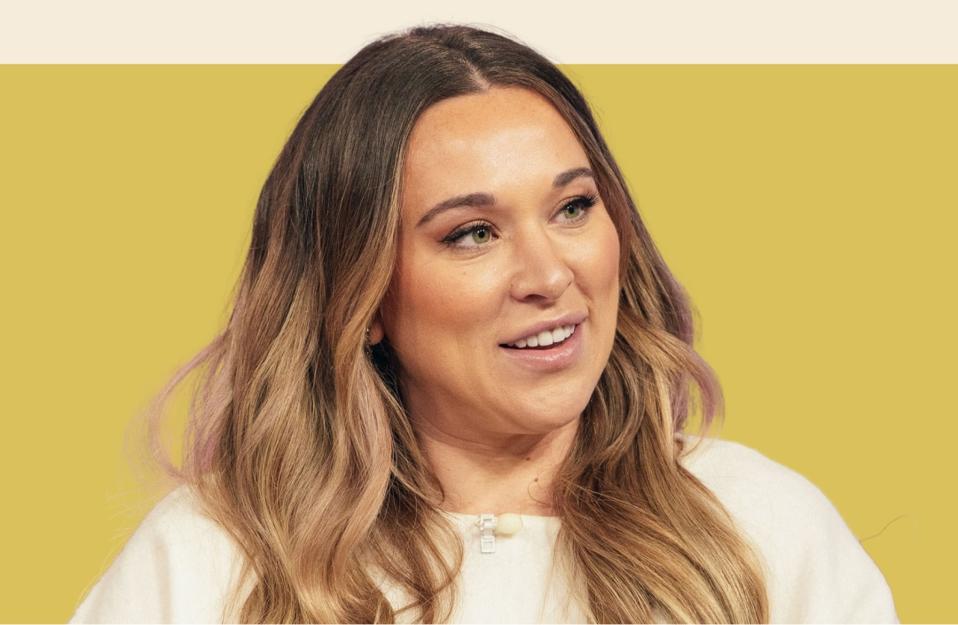
The reigning queen of true crime, the 36-year-old Flowers is the co-host of Crime Junkie and founder of Audiochuck, which signed a $150 million distribution deal with Fox subsidiaries Tubi (for video distribution) and Red Seat Ventures (for ad sales) last October. Though insiders say the majority of the revenue is tied to Flowers’ flagship show, Tubi will develop a Crime Junkie FAST channel (“free ad-supported streaming television”) to distribute several Audiochuck shows, and the company will also continue to distribute them on YouTube simultaneously.
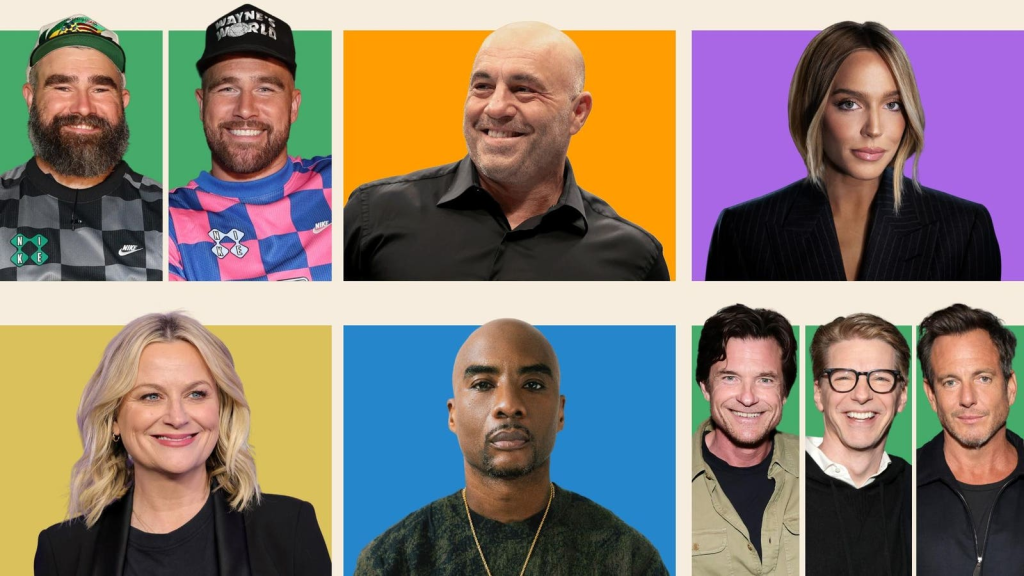
5. Will Arnett, Jason Bateman, Sean Hayes
SmartLess (SiriusXM): $37 million
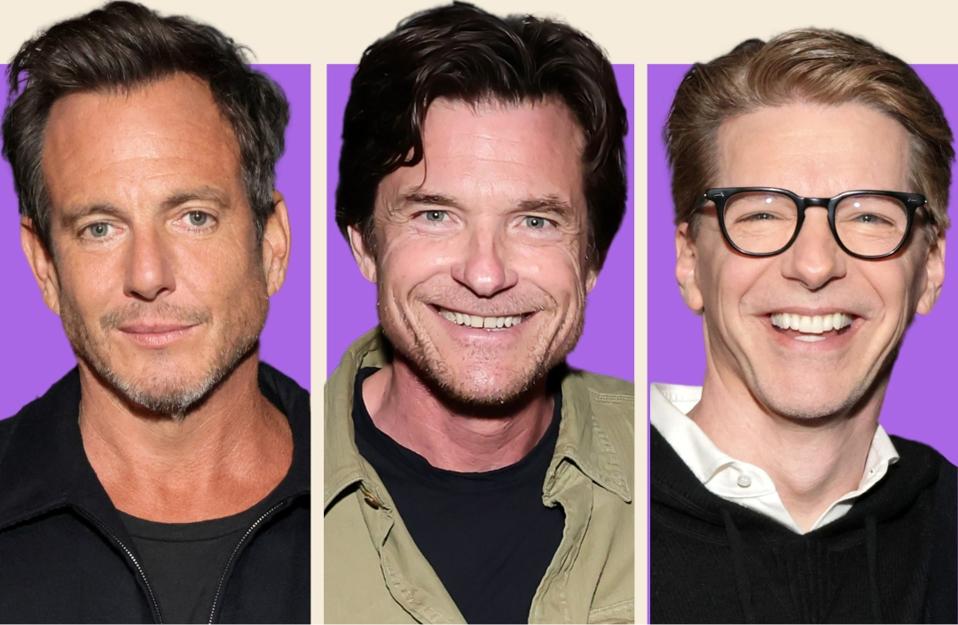
What started as a lark during the 2020 pandemic has turned into a legitimate and growing business empire for the SmartLess hosts, who have since launched four other shows under the SiriusXM umbrella as well as the mobile network SmartLess Mobile last June. Advertisers love their brand-safe content and star-studded guest lineup, drawn from their collective decades in show business. Weekly episodes have not slowed their individual careers (Bateman is nominated for four Emmys this fall), though earnings for those projects are not counted here.
6. Mel Robbins
The Mel Robbins Podcast (SiriusXM) : $35 million
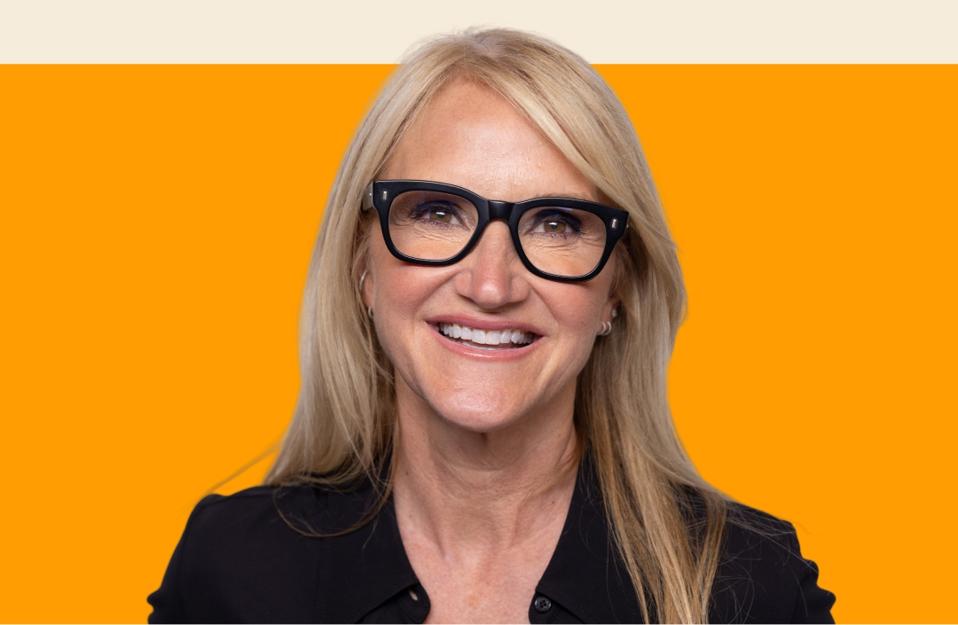
The author and motivational speaker’s business has exploded since the release of The Let Them Theory in late 2024, selling over 10 million copies and growing the audience for her podcast so exponentially that SiriusXM renegotiated her agreement mid-term for more money. The 57-year-old Robbins has also taken her self-help show on tour with live episodes selling out across five states and landing a sponsorship by Microsoft Copilot.
7. Jason and Travis Kelce
New Heights (Amazon Wondery): $35 million
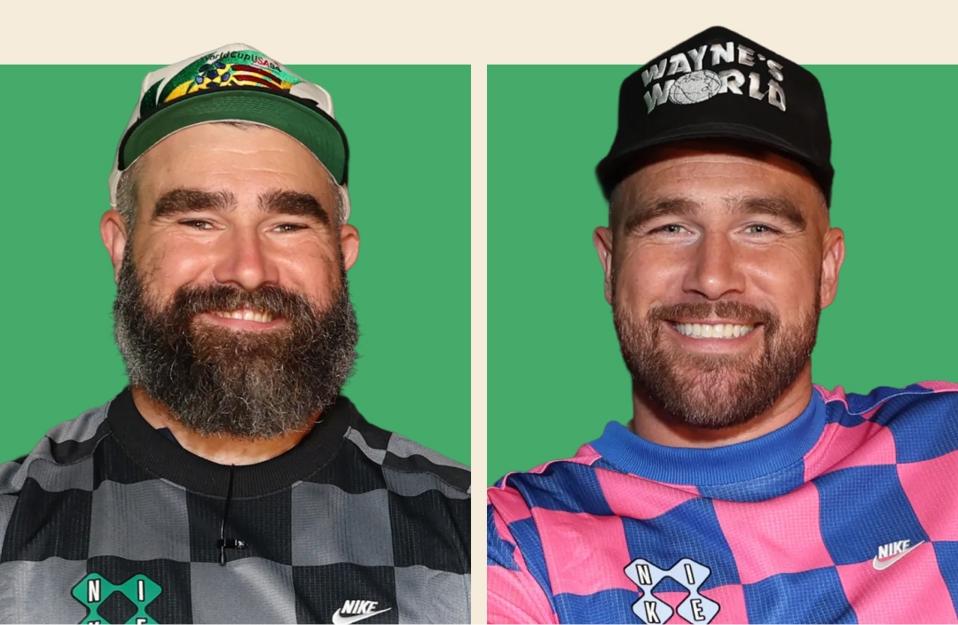
The timing could not have been better for the Kelce brothers, who started their podcast in the fall of 2022. That season, Jason’s Philadelphia Eagles played Travis’ Kansas City Chiefs in Super Bowl LVII, and later that summer Travis began dating the biggest pop star on the planet, Taylor Swift. Those milestones and a steady stream of celebrity guests pushed New Heights toward the top of the podcast charts, culminating in a three-year, $100 million deal from Amazon’s Wondery in August 2024. The Kelce brothers now command huge premiums on custom advertising on both their episodes and clips across social media.
8. Alex Cooper
Call Her Daddy (SiriusXM): $32 million
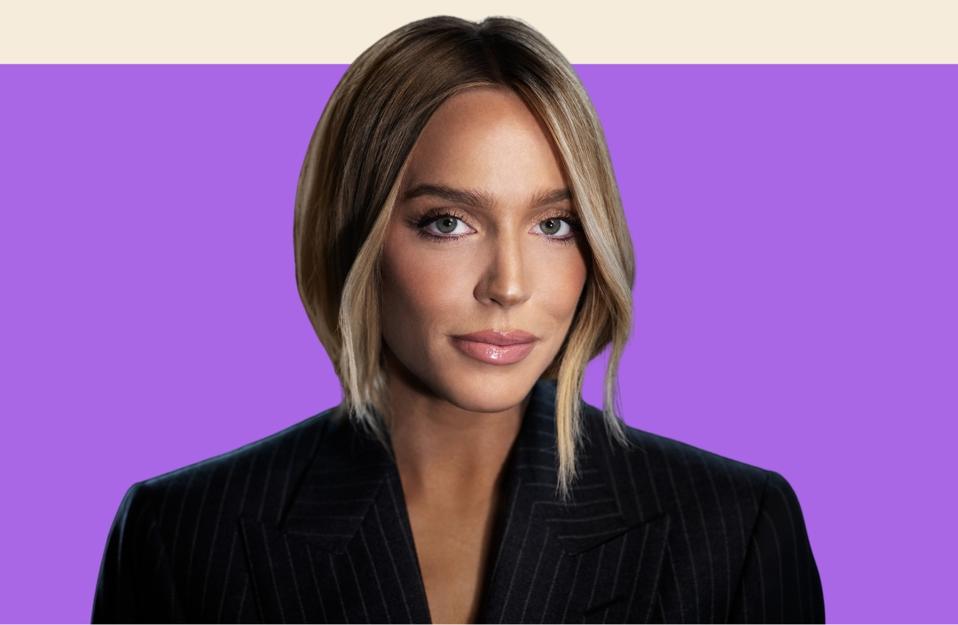
When the 31-year-old Call Her Daddy host signed a huge contract with SiriusXM in August 2024, she acknowledged the responsibility that came with the three-year, incentive-laden deal that has a total potential value of $125 million. “There is a lot of pressure on me to keep it moving,” the 2022 30 Under 30 lister told Forbes, “but I love pressure.” That pressure has only increased since, with her Unwell network cutting ties with its second-most popular host, Alix Earle, and facing reports from Vanity Fair about a toxic work environment. Unwell still operates a pair of satellite radio channels, and uses its deal with Sirius to continue expanding into other TV production, including this year’s Hannah Montana reunion special for Disney+.
9. Jon Favreau, Jon Lovett, Dan Pfeiffer, and Tommy Vietor
Pod Save America (Audioboom): $28 million
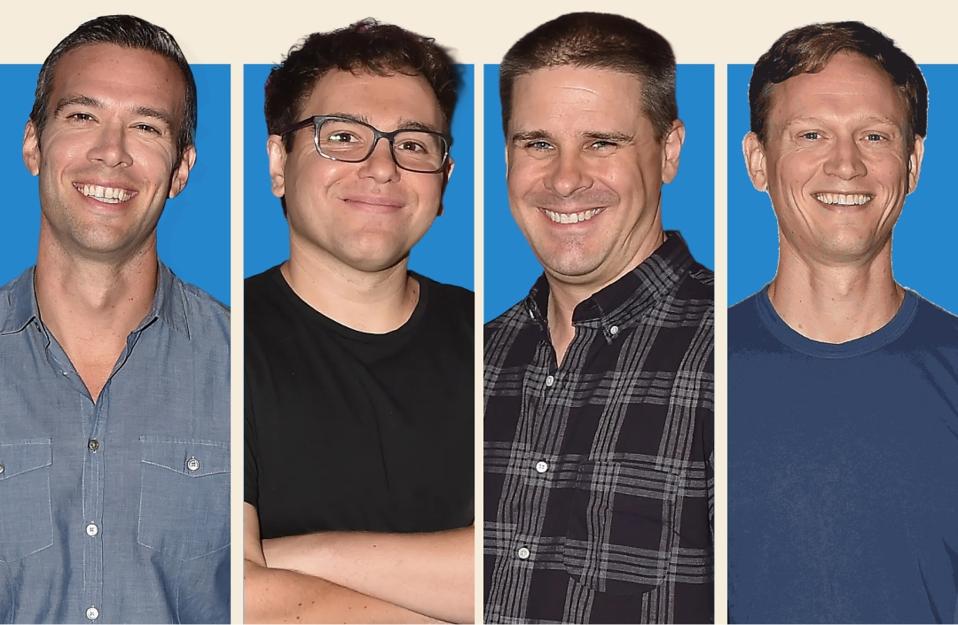
Three of the Pod Save America hosts (Favreau, Lovett and Vietor) founded left-wing multimedia company Crooked Media in 2017, and used a big SiriusXM deal in 2022 to expand to more than 100 employees. In February, Crooked decamped for distributor Audioboom, taking more of their business operations in-house. At the same time, they also signed a deal with MS NOW that will put condensed episodes of Crooked shows on linear television.
10. Charlamagne Tha God
The Breakfast Club (iHeart/Netflix): $27 million
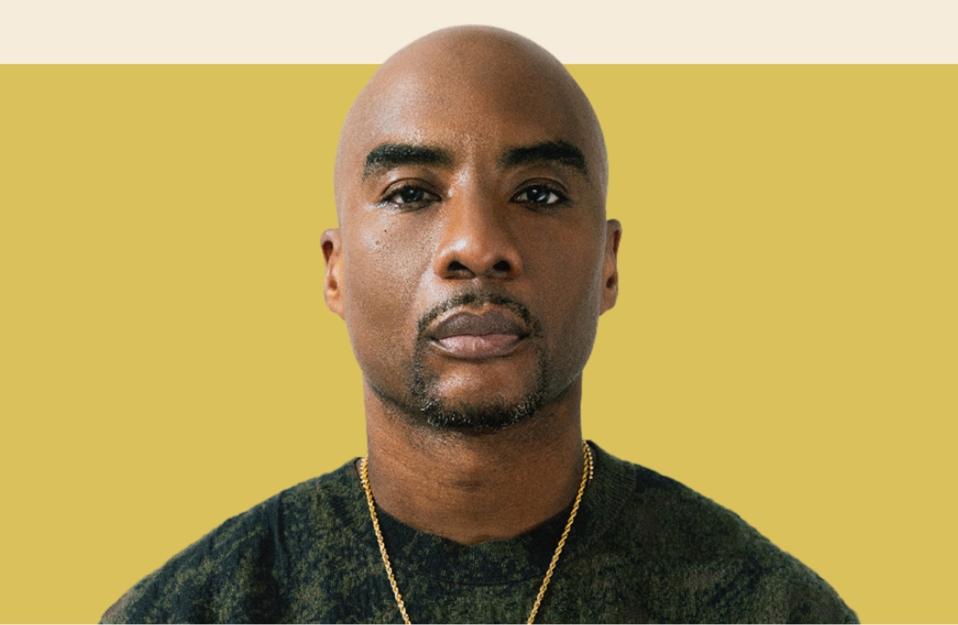
In December, the 48-year-old host of The Breakfast Club renewed a wide-spanning agreement with iHeart Media worth up to $200 million over the next five years, which covers not only his radio and podcast work on-air but also funding for The Black Effect Podcast Network, which he owns 51% of in a joint venture with iHeart. He told Forbes he wants to build it into “the BET for podcasting,” and has launched over 60 shows. Separate from the renewal, Charlamagne co-hosts The Brilliant Idiots with stand-up comedian Andrew Schulz and scored a big payday from Netflix for his flagship daily morning drive time program, which insiders tell Forbes is the most-viewed podcast on the platform so far this year. Coming in 2027, he’s been chosen to receive a star on the Hollywood Walk of Fame.
11. Dax Shepard
Armchair Expert (Amazon Wondery): $25 million
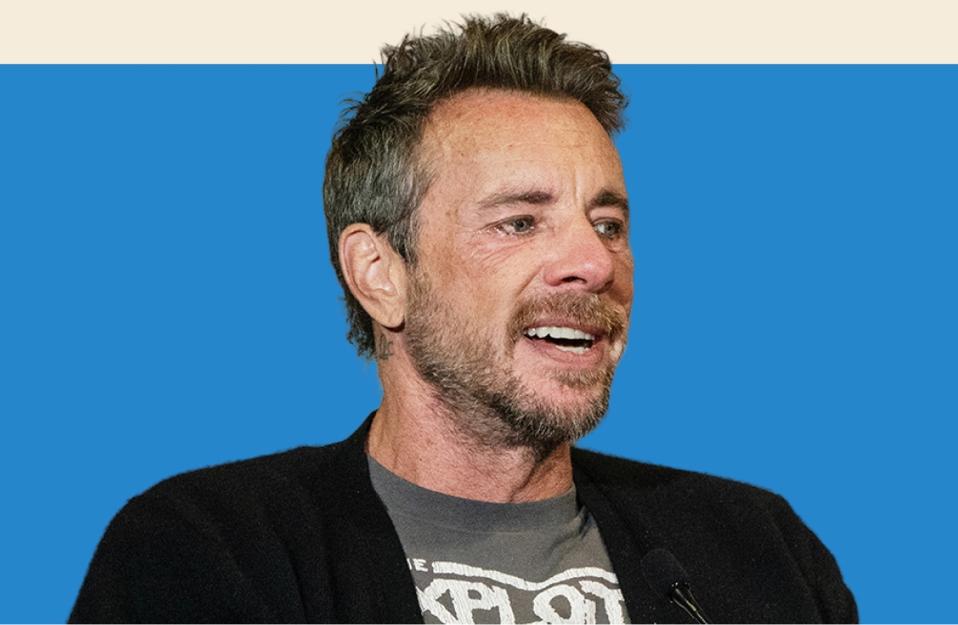
As part of Wondery’s podcast spending spree in 2024, the Amazon subsidiary poached the 51-year-old actor’s therapy-inspired celebrity talk show from Spotify in a broad deal that included distribution, ad sales, merchandise rights, and plans to launch two new podcasts and an annual livestream. The first of those, Mom’s Car, debuted in 2025.
12. Amy Poehler
Good Hang (Spotify): $24 million
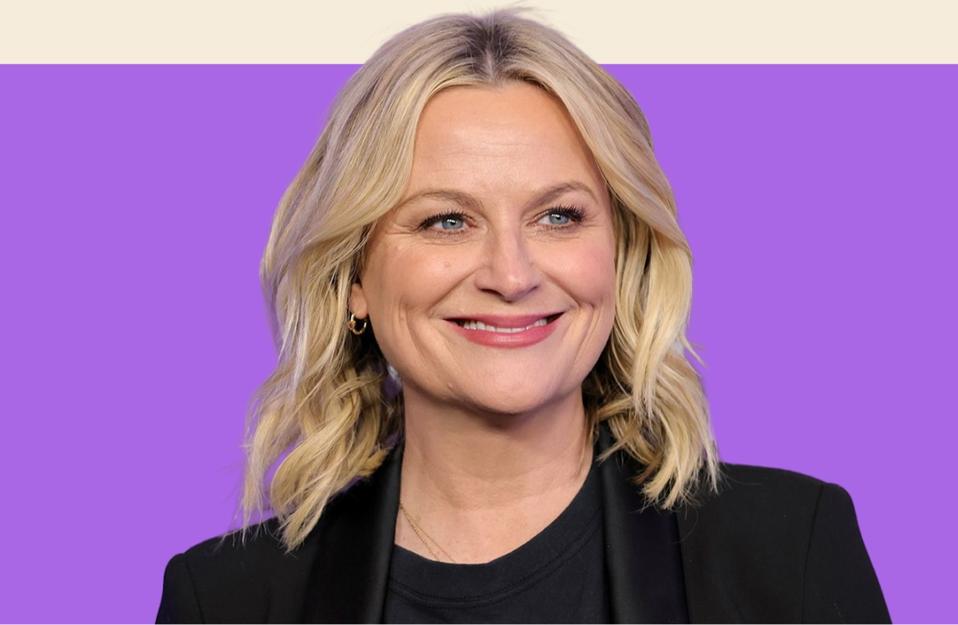
The 54-year-old comedian and producer has found breakout success (and steadier paychecks) hosting her interview show Good Hang, which has quickly become a fixture on the celebrity promo circuit—recent guests include Will Ferrell, Matt Damon and Mindy Kaling. And the formula is working—earlier this year, Poehler won the first-ever Golden Globe award for podcasting.
13. Bill Simmons
The Bill Simmons Podcast (Spotify/Netflix): $22 million
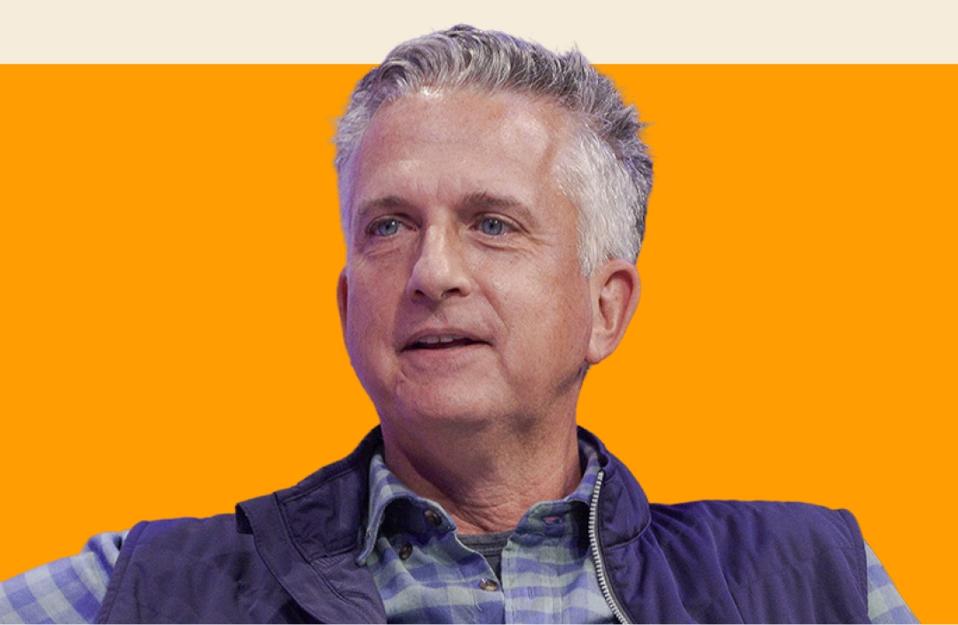
“The Podfather” was one of the earliest adopters of the medium when he started his seminal sports talk and interview show in 2007, then as an employee of ESPN. After an infamously turbulent split with the network, the 56-year-old Simmons founded The Ringer network in 2016 and sold it four years later for an estimated $200 million. He now serves as head of talk strategy at Spotify and was the first major podcast to appear on Netflix in January.
14. Jay Shetty
On Purpose (Spotify/Netflix): $21 million
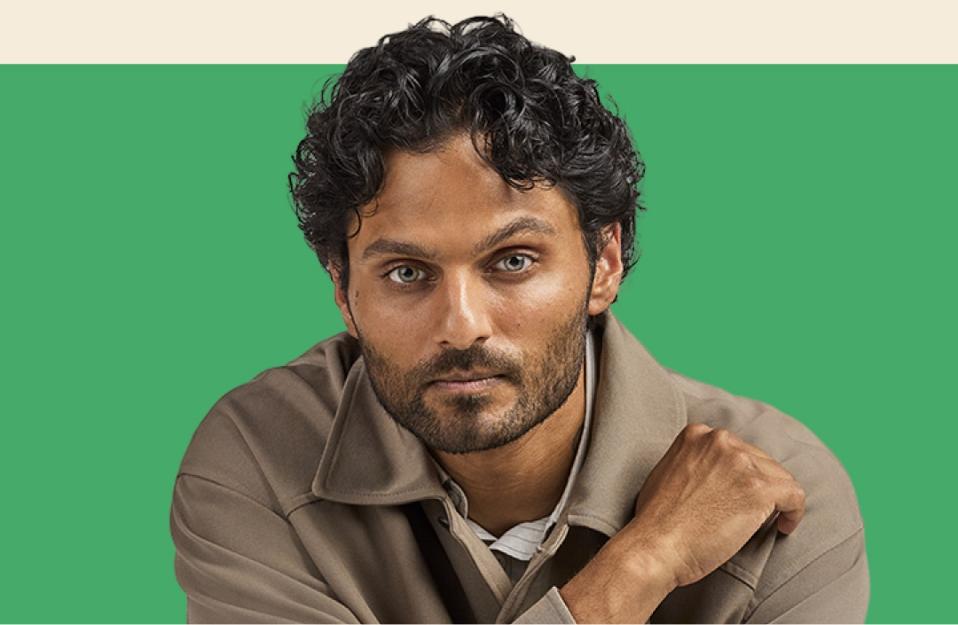
When his podcast came up for renewal, the monk-turned-wellness-entrepreneur received $100 million offers from four different suitors, eventually landing a new combined deal from Spotify and Netflix, which will move him up the list in future years. The 38-year-old Shetty, who made the 30 Under 30 list in 2017, just relaunched On Purpose in July with an interview of Netflix star Millie Bobby Brown.
15. Joe Budden
The Joe Budden Podcast (Independent): $20 million
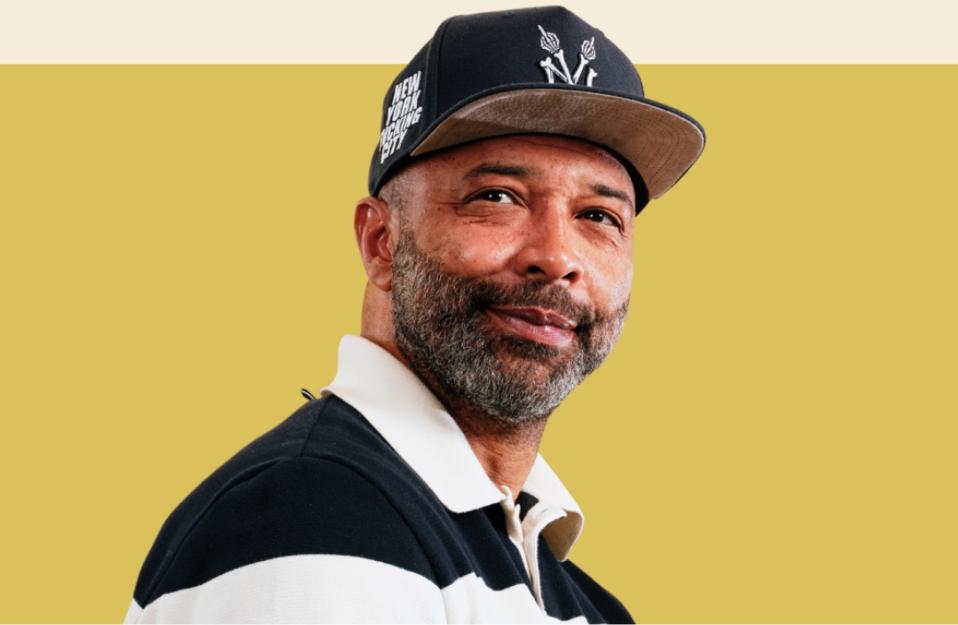
With more than 70,000 paid subscribers, the 45-year-old former rapper has the biggest podcast on Patreon, where fans pay directly to hear him discuss hip-hop culture with his panel of guests. With business partner Ian Schwartzman, they have built out a fully independent network and are currently working on a technology platform with community building tools they hope to license to other creators. And in August, the network adds two new shows. Schwartzman will host an executive interview show with Yahoo Finance, and Budden is launching a true crime podcast in partnership with Law & Order creator Dick Wolf.
16. Tucker Carlson
The Tucker Carlson Show (Red Seat Ventures): $20 million
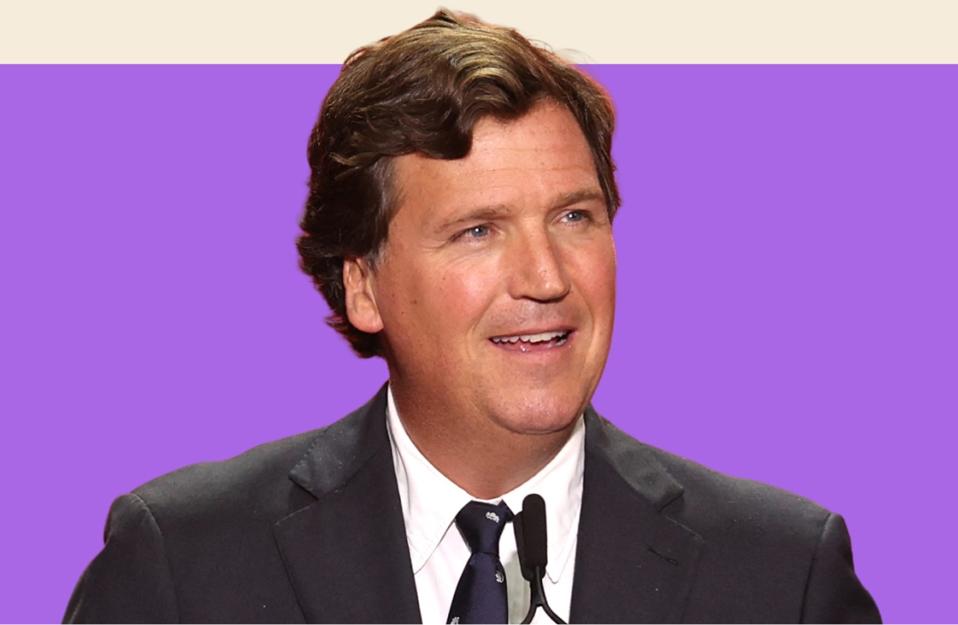
Since leaving Fox News in 2023, the 57-year-old political firebrand started his independent operation with the backing of right-wing media investor Red Seat Ventures, a firm that also backs former Fox stars Megyn Kelly and Bill O’Reilly. A subscription to his Tucker Carlson Network costs $9 per month for access to everything from interviews with Donald Trump and Vladmir Putin to documentaries including The 9/11 Files to recent monologues renouncing his affiliation with the Republican Party.
17. Scott Galloway
The Prof G Pod (Vox Media): $19 million
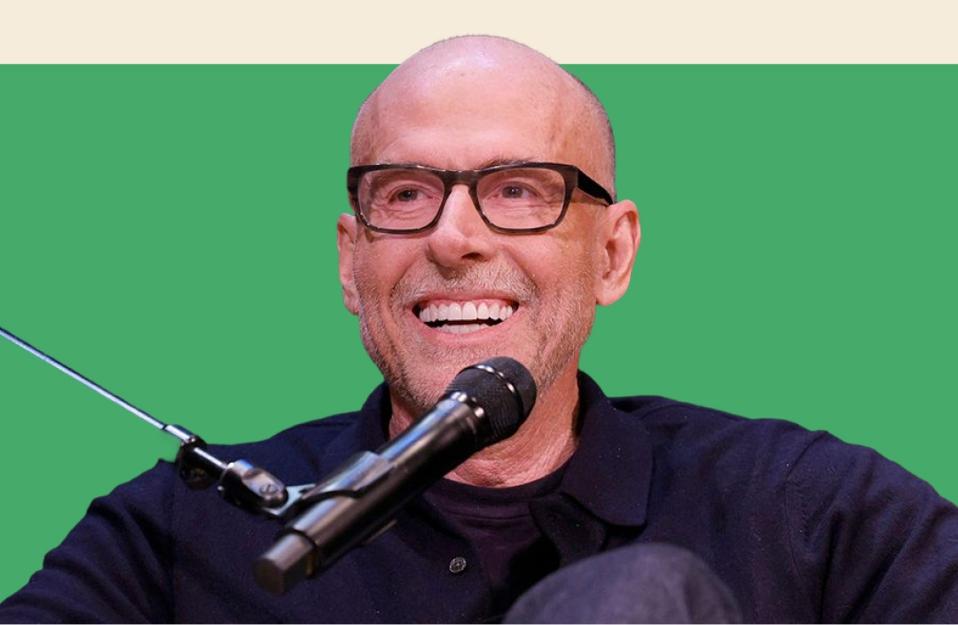
After entertaining offers north of $10 million per year from several networks last May, Galloway, a professor of marketing at NYU, and his Pivot co-host Kara Swisher bet on themselves in a renewal deal with Vox Media that comes with zero minimum guarantee and a 70% split of the ad revenue, which Forbes estimates generated $15 million over the past 12 months. Galloway adds to his share with a growing number of shows under his Prof G Media banner, including The Prof G Pod, Prof G Markets, and Raging Moderates), spreading his provocative brand of economic and cultural commentary.
18. Andrew Huberman
The Huberman Lab Project (Independent): $18 million
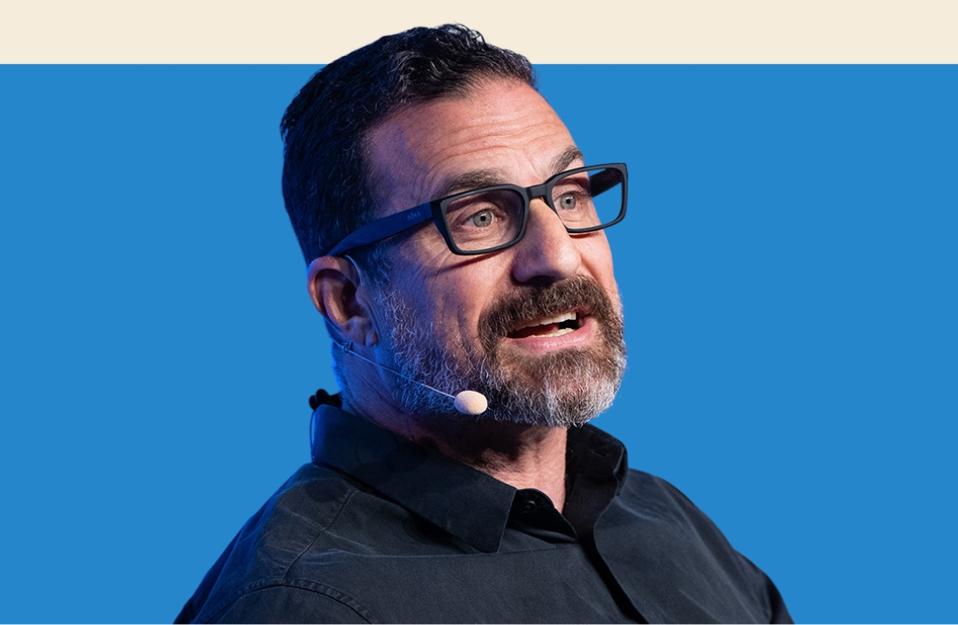
Though his audience took a hit after a 2024 New York magazine exposé, the 50-year-old Stanford professor has weathered the storm and maintains a following for his pop neuroscience research and conversations, and a foothold with advertisers pushing health-related products, including a multimillion-dollar annual partnership with vitamin supplement maker AG1. Huberman is another of the very few top podcasters whose business runs independently from the major networks.
19. Dan Katz, Eric Sollenberger
Pardon My Take (Barstool Sports/Netflix): $18 million
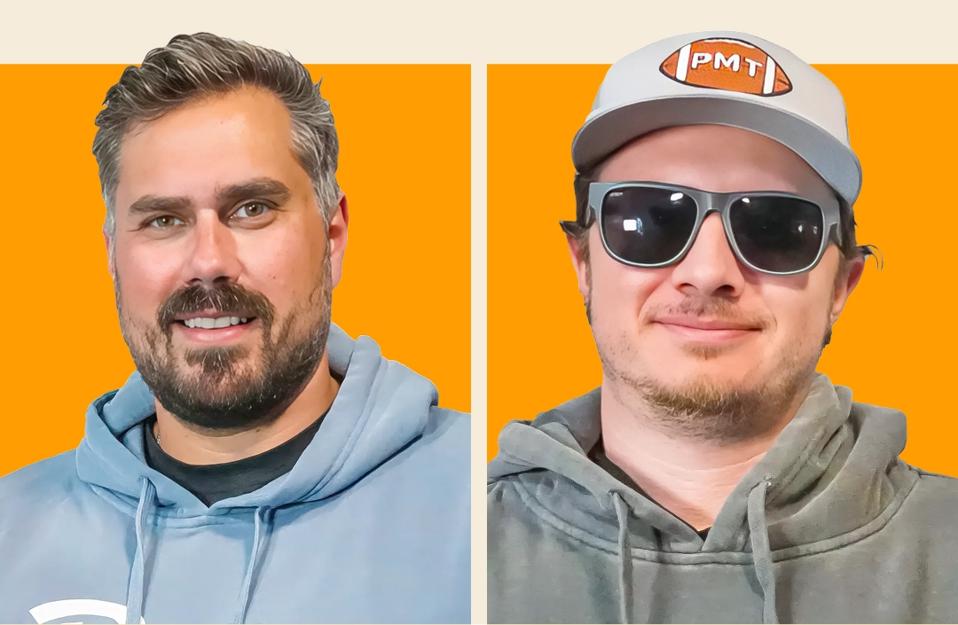
The flagship show of Barstool Sports, the Pardon My Take hosts (better known as Big Cat and PFT Commenter) landed a huge deal with Netflix last December to bring their sports talk show to the streamer—and perhaps more importantly, remove it from YouTube. The pair also appear among a rotating cast of talent on Fox Sports 1’s cable TV daily talk show Wake Up Barstool.
20. Hannah Berner, Paige DeSorbo
Giggly Squad (Acast): $18 million

After meeting on the Bravo reality show Summer House, the 34-year-old Berner and 33-year-old DeSorbo have built a passionate female fanbase for both their show—which is eying a massive new deal this fall—and for their individual ventures. Berner released a stand-up comedy special on Hulu in June and DeSorbo has her own pajama line, Daphne, and a separate video interview show with Amazon Prime Video.
Methodology
The rankings estimate the total amount earned by talent and/or their corporate entities through minimum guarantees, revenue sharing, platform fees, and live events from June 2025 to June 2026. Shows that are broadcast live and syndicated into multiple markets were considered to be radio shows—even if they release the episodes as podcasts later on—and the hosts of shows that are only distributed on YouTube were considered internet creators. Neither were considered here.
Estimations were calculated through interviews with agents, lawyers, managers, executives and industry experts. The figures represent pretax earnings specifically for podcast work, though many talents on the list earn significant additional income from movies, TV, radio, endorsements, entrepreneurial ventures, personal appearances, investments or other categories. Fees for representation (agent, manager, lawyer etc.) are not deducted.
Want to see more Forbes articles on your feed? Tap here to make Forbes Australia a preferred source on Google.
Look back on the week that was with hand-picked articles from Australia and around the world. Sign up to the Forbes Australia newsletter here or become a member here.