Tiley has been at the helm of Tennis Australia for 13 years. In this 3-part series, the South African-born CEO sits down with Forbes Australia for an exclusive chat about delivering exceptional experience for the players, where he looks for inspiration, and putting change at the core of his leadership philosophy.
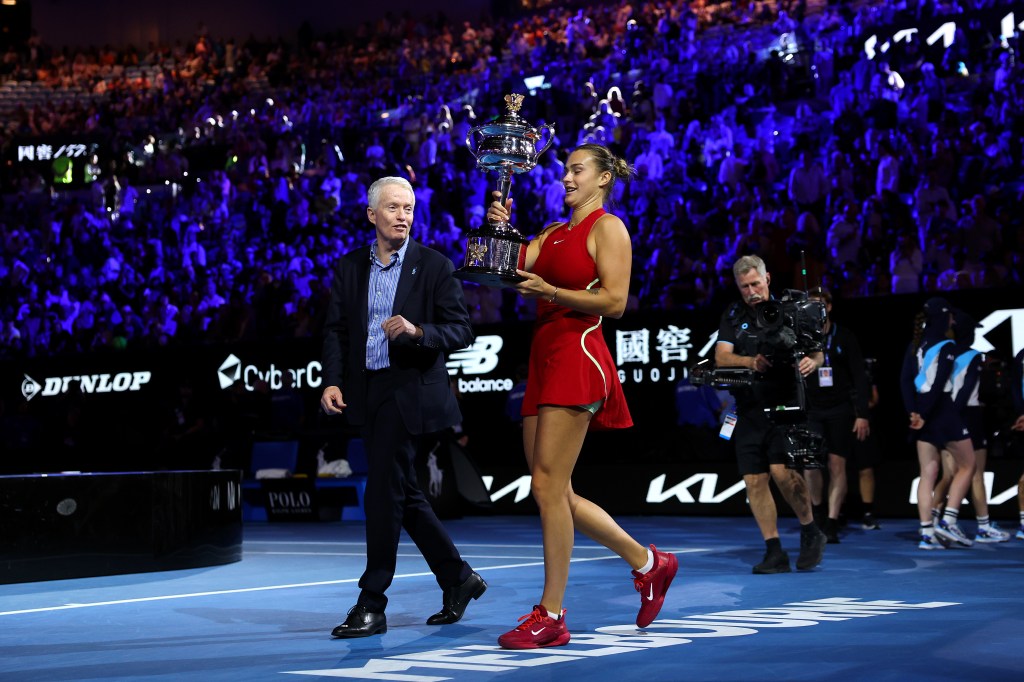
More than 256 professional tennis players descend on Melbourne each January, in a bid to take home a slice of the $100 million+ Australian Open prize pool. During their time in the nation’s most populated city, AO players enjoy a range of perks not experienced at most other tournaments. The philosophy behind that is to answer every player’s request “in the affirmative, and then work it out later,” says Tennis Australia CEO Craig Tiley.
He sat down with Forbes Australia‘s Shivaune Field for a wide-ranging discussion on keeping the players happy during the Happy Slam.
Can you list some of the facilities that players have access to at Melbourne Park?
We have a beauty salon, barbers, dry cleaners, a laundry service, pedicurists, manicurists. Stylists. We have a complete tourism service. A bank they can get cash from, and tax officers, who work directly with the players, so their tax documents get processed immediately. We provide pretty much anything you can think of to service an athlete. On the women’s side, we’ve got sessions on reproductive health, on cervical cancer, on breast cancer. There’s everything you can think of in women’s and men’s health.
Then on top of that, from a performance point of view, we provide a complete suite of services, from physiotherapy, massage therapy, red light therapy, hot and cold pools. There’s an ophthalmologist, a dermatologist, podiatrist, orthopaedist. Every kind of specialist you can think of.
We have AI, doing real-time match analytics that goes to the players and their coaches, bio-mechanists that can help and hydrationists who work to optimise hydration. We have a nutritionist who specifically designs energy food and energy drinks for players. In the player restaurant, we have a chef that designs meals that are common to the nationalities that different people come from. So if you are from Serbia and you want a meal that’s similar to Serbian food, you can get it up there.
We have a whole innovations team, a racket lab where players can go and use technology to get a racket string and grip-tested. We have personalised racket swings, stringers, drivers. All of that concierge stuff happens within this precinct.
It sounds like those things are provided so that a player never needs to go beyond either their hotel or Melbourne Park. Is that how you think about it?
Absolutely. Behind the scenes, amongst ourselves, we call it a 10-point player experience. Ten touch points – from the player’s arrival, to the player’s hotel, player practice facility, player gym facility, player locker room, player departure. We take each of those touch points and we concierge them to the highest level.
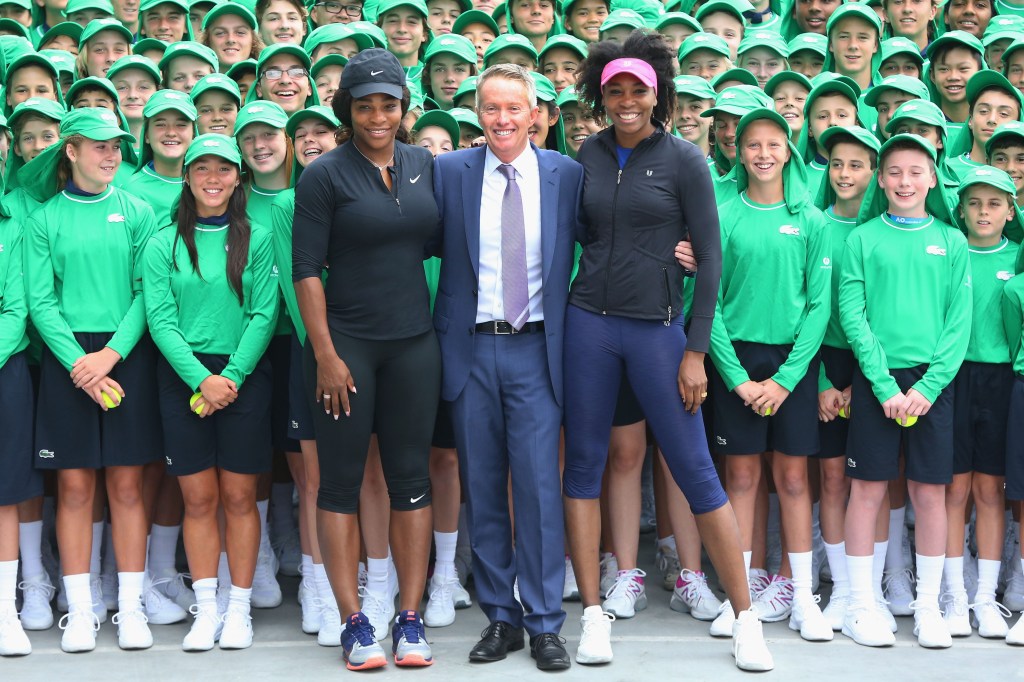
And then right throughout the year, I’m still staying in contact with the players, just randomly. I’ll send a note, happy birthday, or I heard you had a daughter, send someone a stuffed koala bear. When Serena had her first child, we sent a real eucalyptus tree to her house, with a toy koala in it. She still talks about it to this day.
What is the philosophy behind that, going above and beyond, even after the tournament?
One of the most important things to me is connection with people. The 10 concierge touch points are all about connection to the player. We want the players to go away from their experience in Melbourne and say, that was unbelievable, and always talk about the Australian Open as setting the standard for the rest of the year.
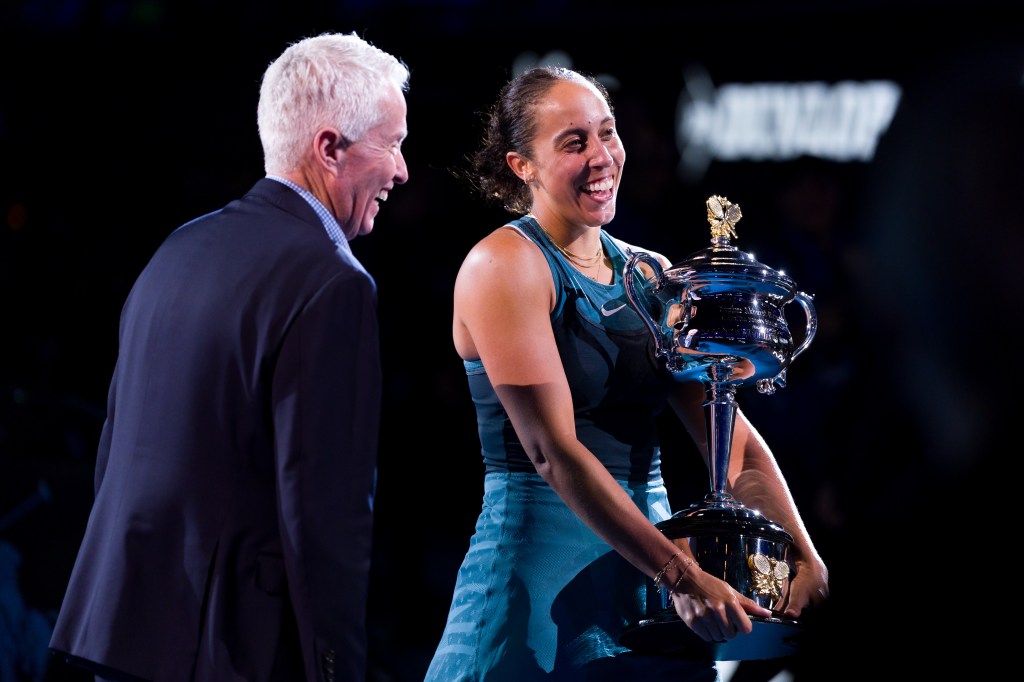
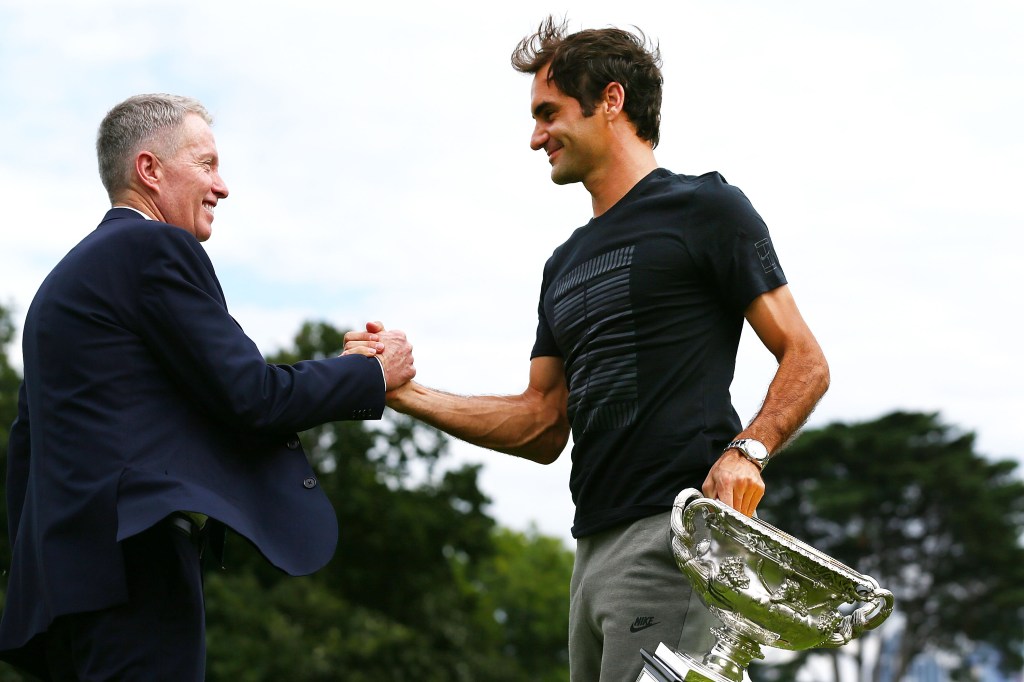
They can order a car, it comes and picks them up and takes them anywhere they want to go. It’s a completely sustainable, self-contained environment where the team’s instructions are, we don’t give no for an answer. If they want to go on a helicopter flight to the Yarra Valley – the answer is when. If they want to go on a hot air balloon at 5 o’clock tomorrow morning, the answer is sure. Everything is always answered in the affirmative, and then we work it out later.
The international players love coming here. And when they love coming here, they’re in a good mood, which is helpful. I have a good relationship with all of them, and some I’ve known a lot longer. Roger is here, and I’ve known him since he was a teenager, now he is here with his whole family and its great. Carlos and Jannik, all the Aussies, we have a good relationship with all of them.
How do you and your team handle meeting all of those requests around the clock?
It’s an intense, intense 5 weeks that can be exhausting for the team. We’ve been at it for 4 weeks already and we’ve still got 1 to go. We don’t get much sleep. I sleep a few hours a night, but it’s all good. We all get to the end of it, and we have a lunch together, and then everyone sleeps for a week.
Look back on the week that was with hand-picked articles from Australia and around the world. Sign up to the Forbes Australia newsletter here or become a member here.