Faculty has for a decade run a highly-sought after Fellowship program turning STEM academics into AI workers. It’s now launched in Australia, its first foray outside of the UK.

Key Takeaways
- Faculty is a UK company that for 12 years has provided a funnel turning STEM academics to AI professionals.
- It was bought by Accenture earlier this year for a reported US$1 billion.
- The company is now opening an outpost in Western Australia, its first office outside of the UK, before it sets up shop around the country.
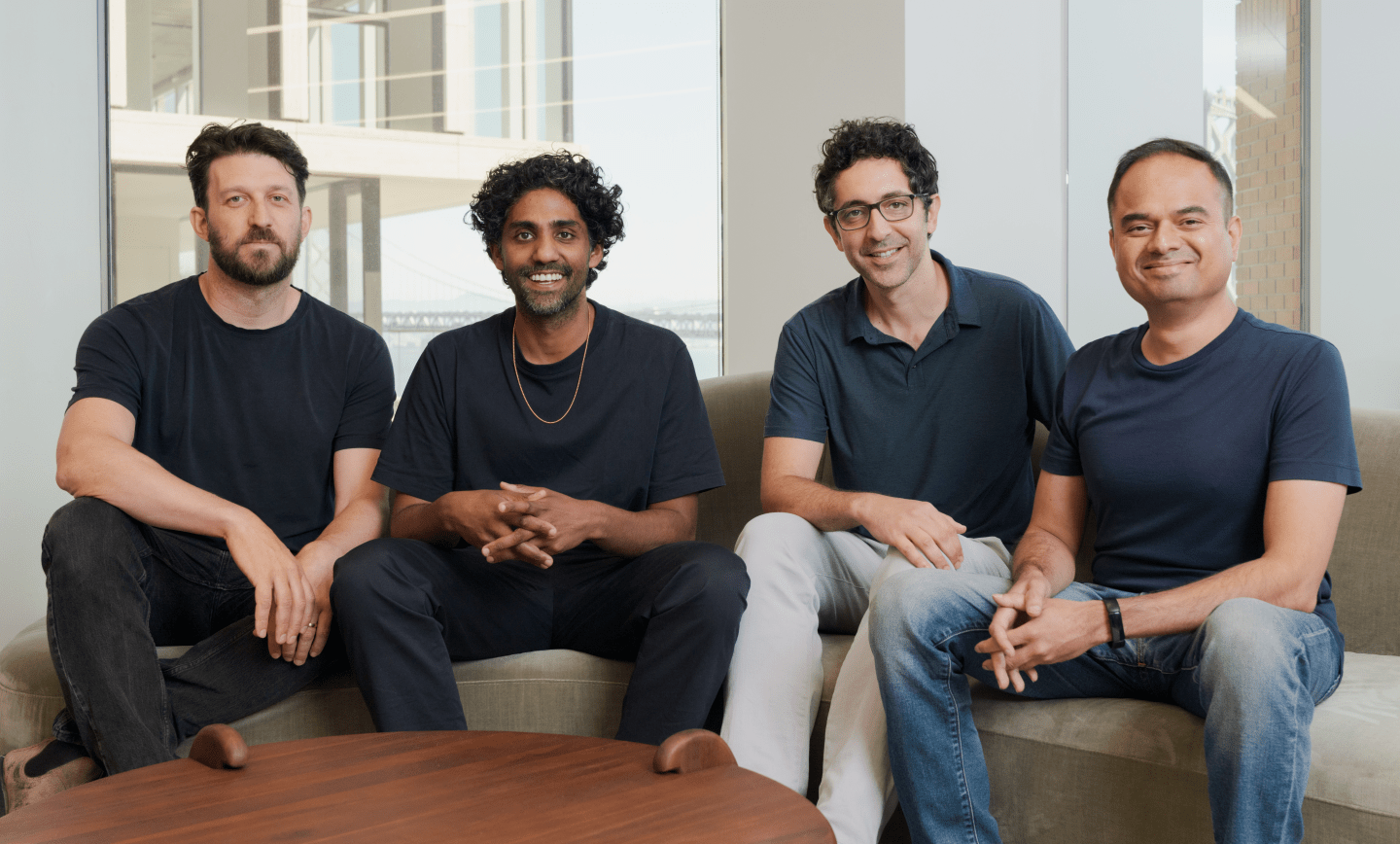
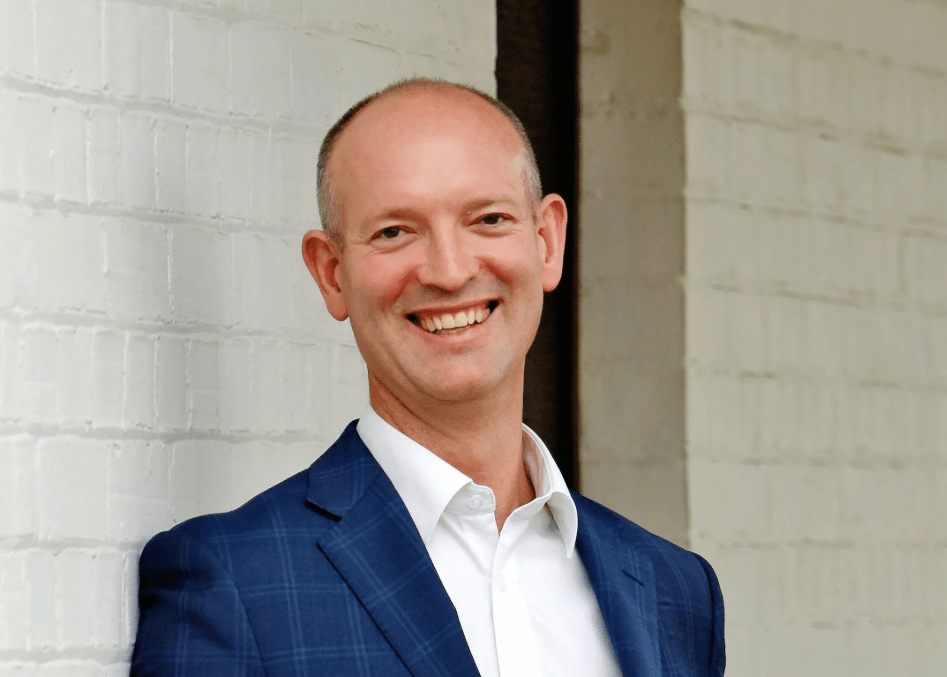
- Technology investor Rohan Silva has been appointed managing director of Faculty’s Australian operations.
- It’s aiming to produce hundreds of graduates from its program each year, recruited from post-graduate and PhD STEM academics, hoping to seize a lucrative opportunity provided by a shortfall in Australian AI talent.
- It chose Western Australia rather than Sydney or Melbourne due to incentives from the state government and a contract with Wesfarmers.
What do Nike’s director of machine learning, H&M’s chief data officer and AstraZeneca’s director of AI all have in common? They are all graduates of Faculty, a UK program that takes STEM academics and turns them into AI engineers, data scientists and product associates.
Faculty has for 12 years run its training program in London, but six months after being acquired by Accenture for a reported US$1 billion it is launching its first overseas office – in Western Australia.
Faculty will go on a hiring spree, with a targeted headcount of over 100 as it begins to set up offices around the country, said VC investor Rohan SilvA, who was brought in to lead the Australian operation. The first cohort will take 25 academics on a nine week course.
Faculty’s London Fellowship has produced 550 graduates over the past 12 years, and it says 98 per cent of them now work in AI-related roles. The company’s Australian Fellowship program will actually be larger than the original London course Because Faculty will end up running simultaneous cohorts in states around Australia, and it will accept both post-graduate and PhD academics.
“There will be hundreds and hundreds of fellows passing through the [Australian] program each year,” Silva said. “The idea is a bow wave of brilliant future AI leaders. Some will end up the top of industry… but also people starting companies.”
It comes as the likes of OpenAI and the Tech Council of Australia, a group which lobbies the Federal Government on behalf of the tech industry, have positioned Australia as a data centre hub for the pacific and Southeast Asia. They argue Australia can be the recipient of tens of billions of infrastructure investments, but critics have questioned how much of that value will stay in the country.
Faculty says Australia is at risk of becoming a renter rather than an owner of AI technology, and that its program plays a small but crucial role by taking brainy academics and turning them into AI professionals. Bain last year estimated Australia was on track to have 84,000 AI professionals by 2027, not nearly enough to fill the 146,000 AI roles it predicts will need to be filled. Graduates will go on to apply their machine learning and data skills in blue chip companies and, with time, found their own too.
“Having the value being captured by a few small handful of players is not what I think the economy is wanting,” Faculty co-founder Angie Ma said. “But the only way to really change that is to is to drive widespread adoption so more people have that capability to make and benefit from the technology to create value that didn’t exist before.”
Faculty chose Western Australia rather than the more obvious choices of Sydney and Melbourne due to incentives from the state government and a foundational customer in Wesfarmers’ Chemicals, Energy and Fertilisers division. The Western Australian Government is hoping Faculty’s graduates, recruited from the state’s four universities, will strengthen the state’s defence and mining industries with their newfound AI knowhow.
Beyond its training program, Faculty safety tests new models from OpenAI, Anthropic, Meta and others. It also provides AI tools and consulting with the likes of the NHS and the UK’s National Grid, work it says it’s replicating with AusGrid to aid it with the energy transition.
Want to see more Forbes articles on your feed? Tap here to make Forbes Australia a preferred source on Google.
Look back on the week that was with hand-picked articles from Australia and around the world. Sign up to the Forbes Australia newsletter here or become a member here.