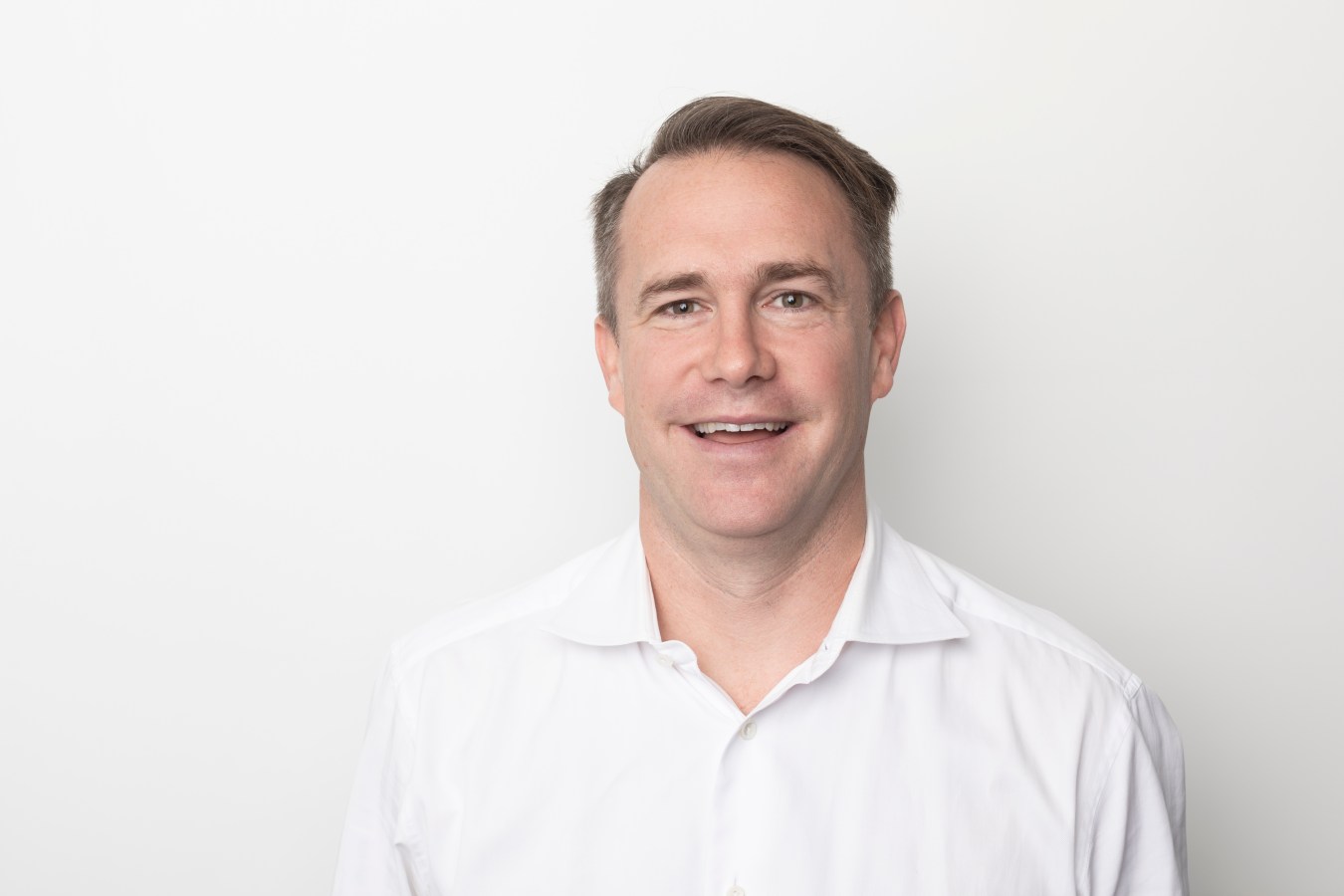
Labor tech lieutenant Andrew Charlton will on Tuesday warn data centres alone will not enable Australia to capture enough economic value from AI.
Key Takeaways
- Assistant Minister for Science, Technology and the Digital Economy Andrew Charlton will give a speech on Tuesday saying Australia must aim higher than simply building the data centre infrastructure of the AI boom.
- The Albanese government will work to make it necessary for Big Tech players building massive data centres in Australia to provide compute access to local startups “on favourable terms.”
- AI policy in Australia has been focused on the opportunity for the country to become a data centre hub, from which it could export AI compute around the world.
- Charlton, who works with Albanese’s Office of AI, in a speech on Tuesday will argue that building data centres alone will leave Australia capturing little of the “real economic value” of AI.
- Departing from previous assumptions that core AI development is too costly, Charlton will say that Australia must build its own models and capabilities – or pay “economic rent” to the US.
Key Background
When Anthony Albanese gave a landmark speech outlining his plans to legislate national AI standards that would regulate the industry, he said Australia can be “more than a data centre warehouse.”
On Tuesday Andrew Charlton, the Assistant Minister for Science, Technology and the Digital Economy, will outline the Government’s vision for what that could look like at a speech to ANU’s Crawford School of Public Policy.
Charlton will say that approximately 15 per cent of AI’s economic value is captured by electricity and data centres, areas that Australian policy has been focused on over the past year. If the country were to stop there, he will say, it will end up paying “economic rent” to nations where chips, software, models and IP come from.
Charlton said his office is working with Industry Minister Tim Ayres to mandate hyperscalers – tech companies like Microsoft and AWS which build enormous data centres – to provide compute access to local startups. That will help them build AI models and capabilities, areas where Charlton says the real value is captured.
The Assistant Minister will point to the growth of open-weight models (that are nearly as capable as frontier models made by OpenAI and Anthropic but at a third of the price) as an opportunity for mid-sized countries like Australia. Models and capabilities that appeared too costly to contemplate building a year ago, Charlton will say, are now within reach.
Crucial Quote
“If we provide the land, the power and the buildings while foreign firms own the chips, the models and the customer relationship, we will capture some of the wealth while the largest rents accrue somewhere else,” Charlton will say.
“Can a country like Australia compete in the intelligence layer itself? Twelve months ago, most serious people would have said no. The frontier looked like a closed contest between a handful of American labs with capital budgets larger than the GDP of small nations, and the only rational strategy for a middle power was to buy well and adopt fast.
That judgment is being overtaken by events.”
Big Number
$5 billion – $8 billion. That’s how much Charlton estimates Australian households and businesses are spending on AI each year – noting the “overwhelming majority” is paid to overseas companies.
He estimates this figure could rise as high as $40 billion in the next decade.
Want to see more Forbes articles on your feed? Tap here to make Forbes Australia a preferred source on Google.
Look back on the week that was with hand-picked articles from Australia and around the world. Sign up to the Forbes Australia newsletter here or become a member here.