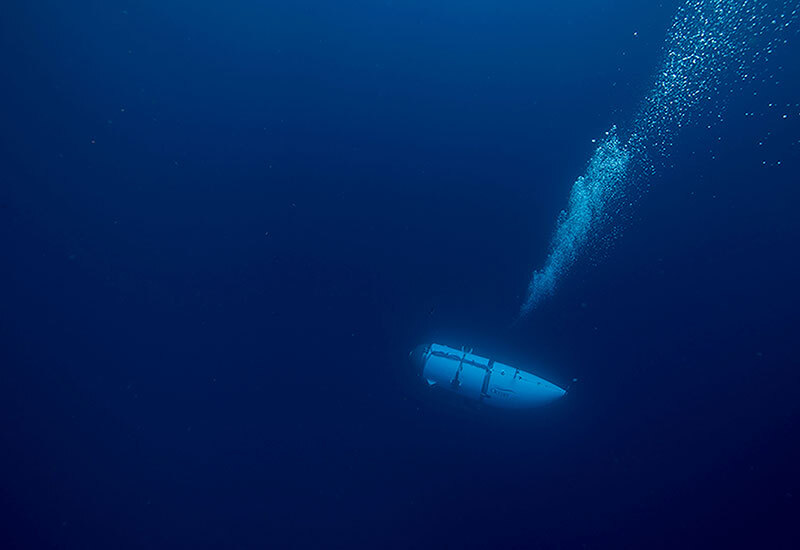
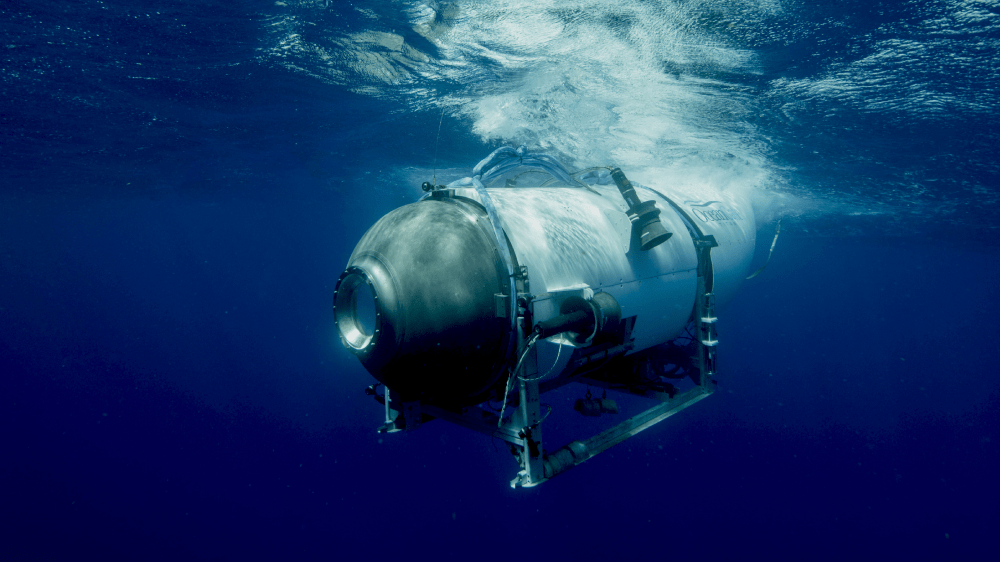
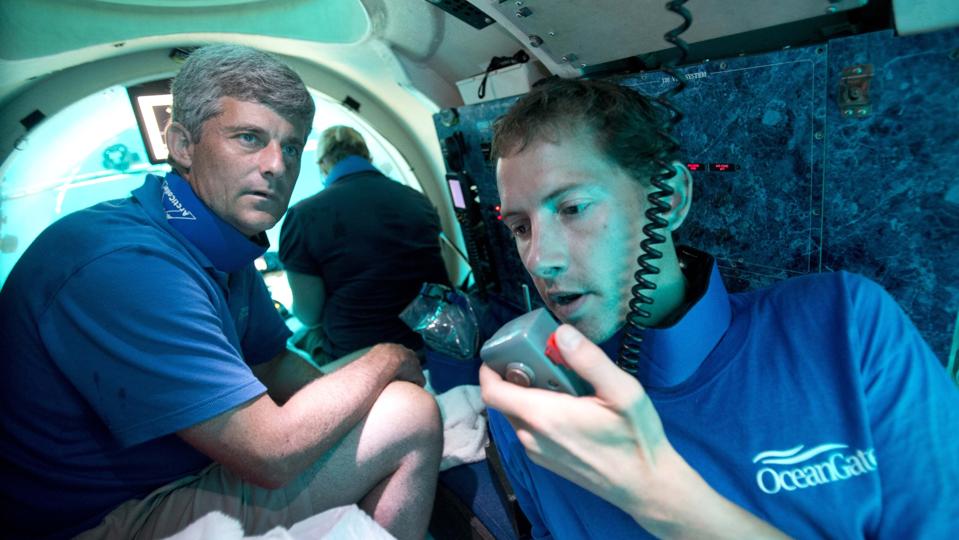
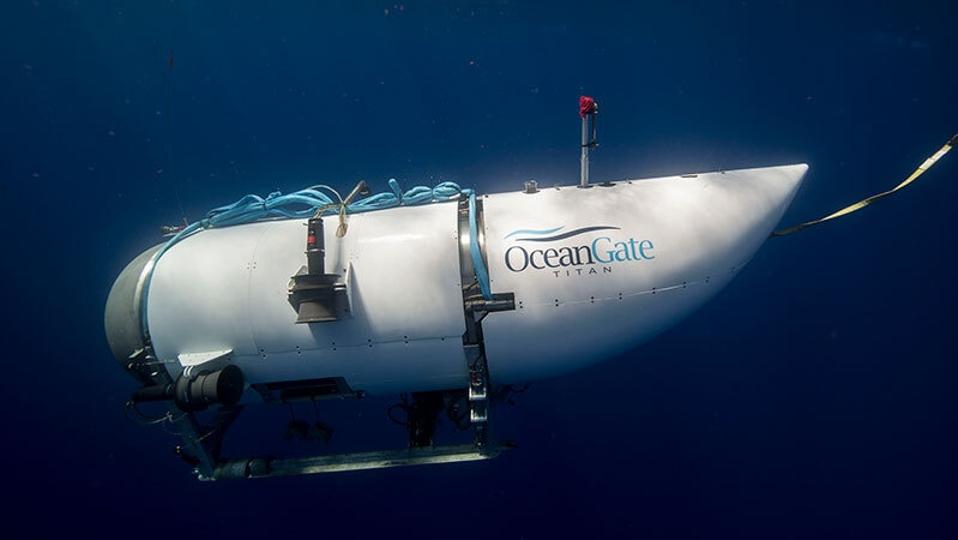
OceanGate—the sea exploration company that operated the Titan submersible that went missing and imploded in June—is suspending all exploration and commercial operations, according to the company’s website.
Key Takeaways
- News of the suspension came just over two weeks after five people were killed, including the company’s CEO Stockton Rush, during a trip to the Titanic wreckage.
- OceanGate previously offered dives to the Titanic wreckage—which it had successfully visited twice—and to hydrothermal vents in Azores Archipelago, Portugal, both of which cost $250,000 per passenger, according to its site.
- Days after the sub lost contact, the Coast Guard announced that “presumed human remains” were recovered from debris of the Titan sub, which was recovered from the seafloor.
- OceanGate also had a number of commercial offerings, such as using subs for deep sea testing, underwater filming and photography, or research and data collection.
Key Background
The Titan submersible first went missing Sunday, June 18, after it departed on a trip bound for the wreckage of the Titanic, triggering a search by the Coast Guard that lasted about five days.
Officials initially held out hope that the five men on board could be saved before the vessel’s oxygen ran out by Thursday, until the Coast Guard District Northeast announced a debris field containing external parts of the Titan submersible had been discovered in an area near the wreck of the Titanic.
The Coast Guard confirmed the Titan submersible suffered a “catastrophic implosion” that resulted in the passengers’ deaths. Days after the sub lost contact, the Coast Guard announced that “presumed human remains” were recovered from debris of the Titan sub, which was recovered from the seafloor.
During the search for the vessel, information about its creators and questionable construction began to surface. In a 2021 interview, Rush said he had “broken some rules” when designing the submersible, specifically by building it against industry standards using carbon fibre and titanium.
Scientists at the Marine Technology Society also had concerns, criticising OceanGate in 2018 for failing to meet a set of voluntary industry standards for vessel safety and urging it to send a prototype for review, according to a letter obtained by the New York Times.
This article was first published on forbes.com and all figures are in USD.