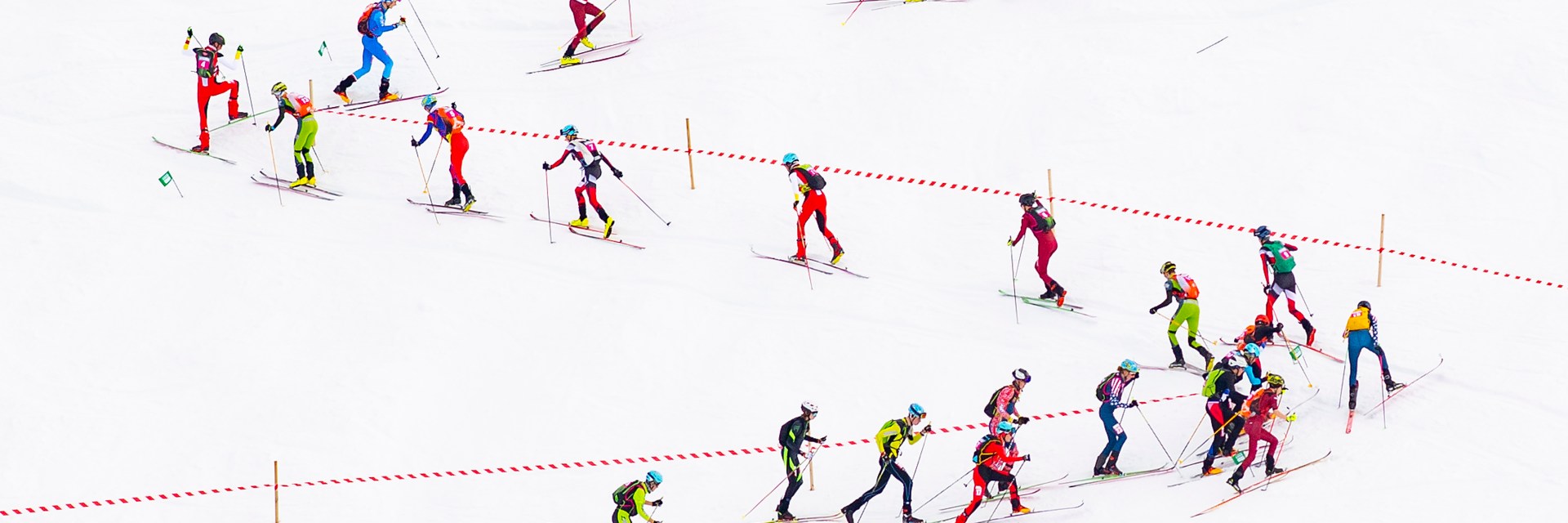

World skiing’s governing bodies created a new Winter Olympics sport and put this Aussie in charge, even though he’d never done it before.
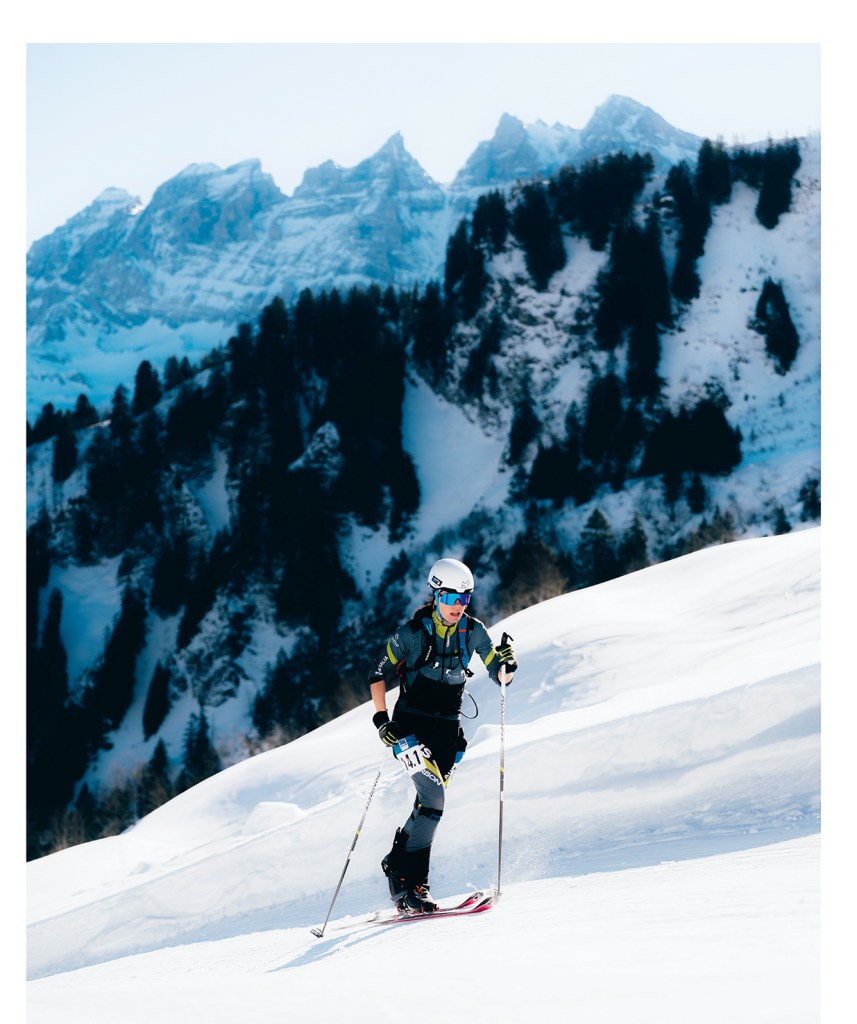
Lara Hamilton was studying on an athletics scholarship at Boise State University when, in 2020, she saw people “skiing uphill really fast” in Colorado. She’d never heard of ski mountaineering until then – but she had to try. She bought gear, started entering events, and discovered the Olympic sprint format.
A trained opera singer, Hamilton had long dreamed of reaching the Olympics – as a surfer, then a cross-country skier, then a runner. Now she’s poised to realise that dream in the Winter Olympics’ newest sport.
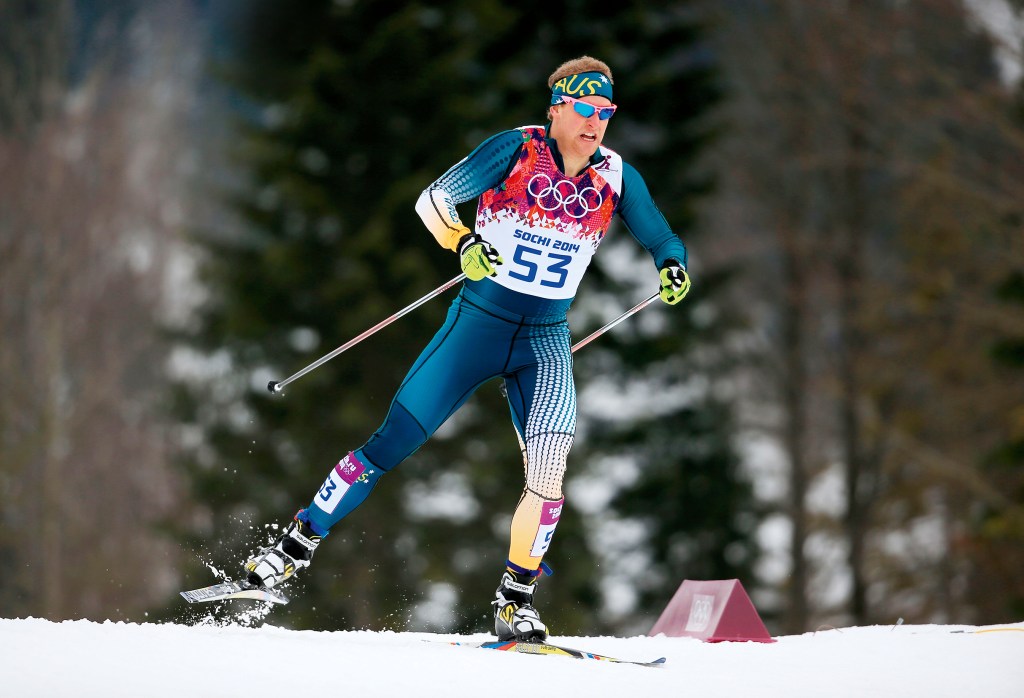
She joins Victorian Phil Bellingham, who was officially named to his fourth Winter Olympic Games in January. Bellingham is set to make history as the first Australian man to compete in two different sports at the Winter Olympics. While he previously represented Australia in cross-country skiing at Sochi 2014, PyeongChang 2018, and Beijing 2022, he will contest the Men’s Sprint and Mixed Relay in “skimo” for the 2026 Games.
Australia is no skimo powerhouse, and its two-athlete presence reflects the governing body’s push for global representation. But it also reflects something else: one of the most influential figures in the sport is a 37-year-old Australian named Ramone Cooper, who understands Olympic dreams more than most.

Cooper was a freestyle skier bound for the 2010 Vancouver Games when he blew out his knee four weeks before competition. It was announced he been forced out, but, aged 21, he pushed through pain and medical advice to compete anyway, finishing a disappointing 27th.
After a full reconstruction and a year rebuilding his body, he began asking himself a hard question: why am I doing this?
He realised that medalling would require enormous sacrifice with no guarantee of reward. He retired – and stepped into a very different Olympic path.
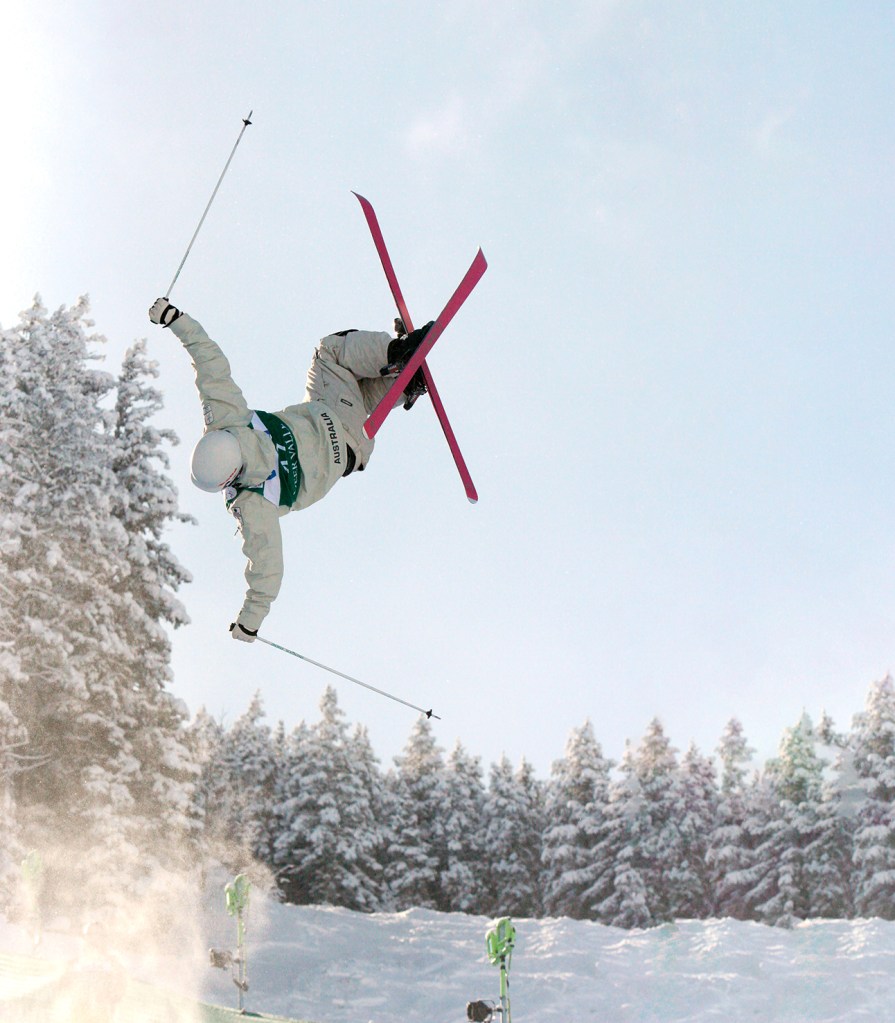
Cooper had been studying sports management and coaching science, and landed a job with Ski and Snowboard Australia, then a tiny federation. He helped build a national athlete pathway and soon found himself working with the Australian team at the first Winter Youth Olympic Games in Innsbruck in 2012. More roles followed, eventually becoming chef de mission for the Australian Youth Olympic teams in Lausanne 2020 and Gangwon 2024, while helping structure new disciplines such as halfpipe and slopestyle.
In 2018 he moved to Switzerland when his wife, Sarah Burston, a former swimmer, got a job there with the International Olympic Committee. When the IOC added ski mountaineering to the 2026 Winter Games programme, Snow Australia asked Cooper to attend an International Ski Mountaineering Federation meeting.
That was his entry point. The federation was still figuring out how to organise itself, how qualification would work, and what the Olympic events would look like. No one inside the Ski Mountaineering Federation had Olympic experience. Cooper kept volunteering and, in 2023, he joined the board as vice-president of marketing and communications.
He realised the sport’s sponsors were loyal, but every dollar they contributed was being spent servicing those partnerships. He pushed for a professional management layer beneath the elected leadership, secured IOC funding and then applied for – and got – the role he had effectively designed: the federation’s inaugural director general.
For the past two years he has been building a headquarters in Switzerland, hiring staff, reshaping the sport’s commercial model, and creating broadcast-ready events ahead of Milano Cortina.
While traditional skimo races last hours or days across high mountains, the Olympic version will take less than three minutes with an altitude gain of about 70 metres. Athletes race uphill on “skins,” remove skis and run further up, then transition back to skis before descending a narrow course. The format suits television – but not everyone in the sport loves it.
Cooper hopes the 2030 Games in the French Alps will include a longer race truer to the sport’s origins. But first, skimo must survive: the IOC will decide its long-term fate as an Olympic sport before the 2026 Games even begin.
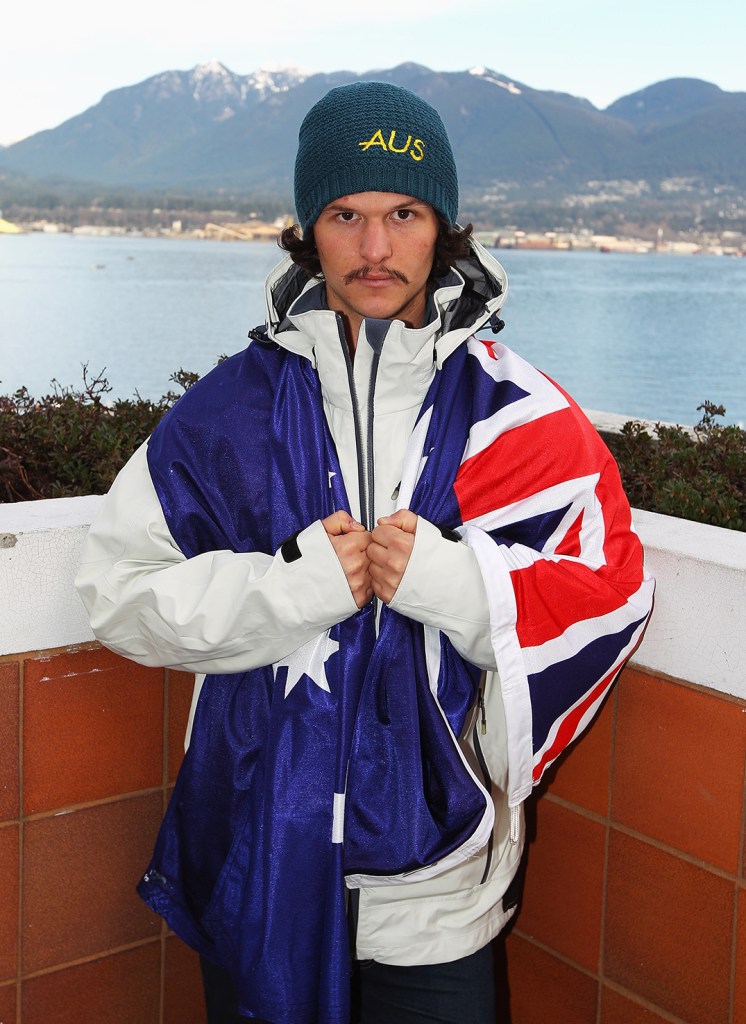
“The last two years have been a full-on sprint,” Cooper says. “I’m waiting to get through Milano Cortina so I can start pacing myself for the marathon to get to the next Games – hopefully in 2030.”