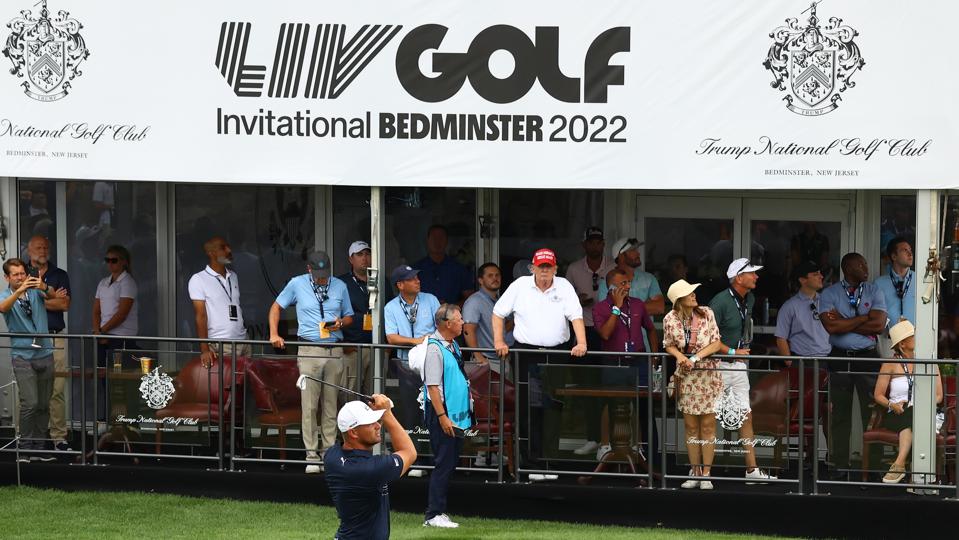
Fuelled by a $7 million rookie debut and a transformed hospitality precinct in Adelaide, Australia’s LIV Golf team is shedding its disruptor status. General Manager Nick Adams takes us inside the aggressive shift from startup to scale-up as Cameron Smith’s team chases an ambitious billion-dollar valuation.
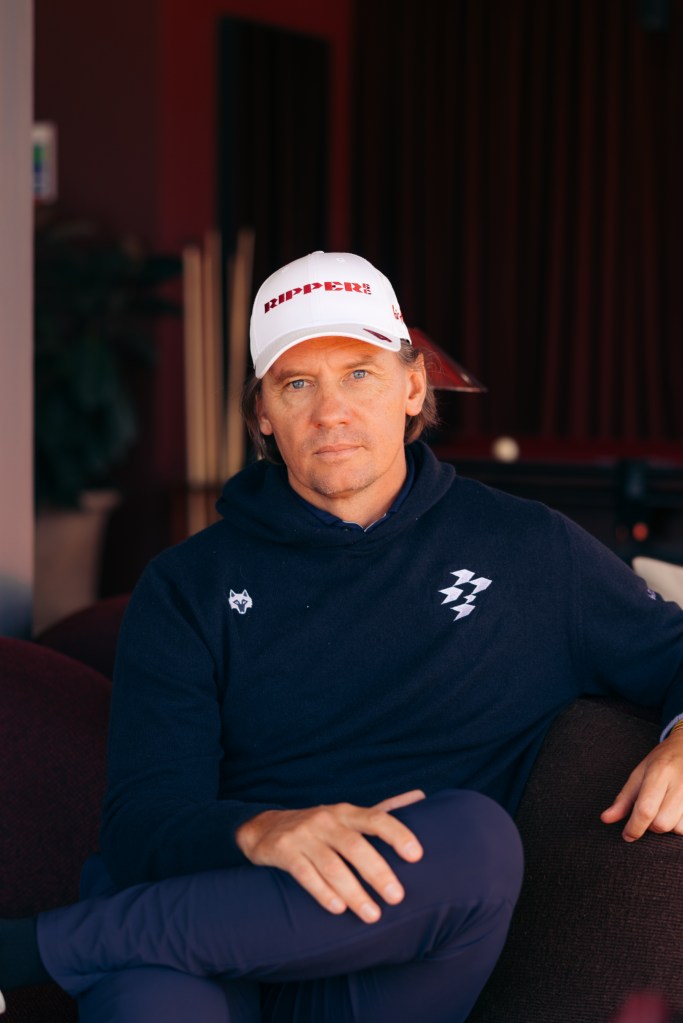
For the past four years, much of the narrative surrounding the Saudi-backed LIV Golf league has been defined by lawsuits, defects, and the polarising “sportswashing” debate. But according to Nick Adams, General Manager of the all-Australian Ripper GC, the noise is finally fading, replaced by the hum of a scaling business.
“We had every single headwind in the world against us,” Adams tells Forbes Australia. “We’ve done pretty well to survive, and now we’re starting to thrive.”
The headwinds Adams refers to were hurricane-force. As Forbes reported last month, the league has posted cumulative losses of more than $1.4 billion since its 2021 founding, including a $590.1 million loss in 2024 alone. Viewership for the league has struggled to match the PGA Tour, and in January, five-time major champion Brooks Koepka announced he would return to the traditional tour – the first major “reversal” in the golf war.
Yet, as the league returns to The Grange Golf Club this weekend – arguably its most successful global outpost – Adams believes the conversation in Australia is different. While the global entity burns cash to establish a foothold, the Australian franchise is actively building a profitable empire.
“No one likes change. When you disrupt a hundred-year-old industry that’s never really had any change, you’re always going to have people that don’t like it,” Adams says. “But the conversations are getting a lot easier. People are realising that this isn’t just a flash in the pan. The best players want to play out here, the investors are very committed… and there is a long runway for us to be successful.”
“It’s not for everyone,” Adams concedes regarding the traditionalists who still push back against the noise and the money. “But the numbers are showing a story where we are making huge gains… We’ve done pretty well to survive and now we’re starting to thrive.”
‘A startup within a startup’
When Forbes Australia last sat down with Adams and team captain Cameron Smith in late 2024, the franchise was still finding its feet, largely playing defence against a hostile media landscape. Now, entering the 2026 season, Adams describes a business that has moved past the proof-of-concept phase and is aggressively targeting asset acquisition and global scale.
“We’re a startup business in the larger startup,” Adams explains. “All I can say that I’m really happy about is we’ve got the pillars set up now. The foundation is there to continue to build something quite special.”
Those pillars are no longer just theoretical. Perhaps the most significant indicator of this shift is the arrival of “legacy” corporate partners. In the early days, traditional blue-chip brands were hesitant to touch the breakaway league. Today, global giants like Rolex, HSBC, and Salesforce are attached to the ecosystem.

For a GM trying to sell a franchise, Adams says that stamp of approval is currency.
“It’s just another validation that LIV is a real thing. It’s not going anywhere,” Adams notes regarding the latest partnership with Rolex. “As soon as one brand is there, there’s a bit of a flow-on that happens… We’re starting to see really interesting commercial conversations happening that weren’t happening a year ago.”
Nowhere is Adams’ commercial reality more visible than in South Australia. The 2025 iteration of LIV Golf Adelaide shattered records, pulling in 102,483 attendees across three days and injecting $81.46 million into the state economy.
‘Masters meets Coachella’
Last year’s off-site debut of “The Ripper House” in North Adelaide served as a litmus test for the brand’s standalone viability. While the activation succeeded, it exposed a logistical flaw: the core audience wanted the premium hospitality integrated directly into the live action.
The response is a strategic pivot for 2026. The franchise has scrapped the off-site concept in favour of “The Ripper Hole,” a massive infrastructure project anchored between the 13th green and 14th tee, with high-profile interior designer Steve Cordony commissioned to elevate the fit-out.
“It’s kind of like Coachella meets the Masters,” Adams says. “You get the best of golf and you get the best players around the world… but at the same time, you get this whole other lifestyle element around the music.”
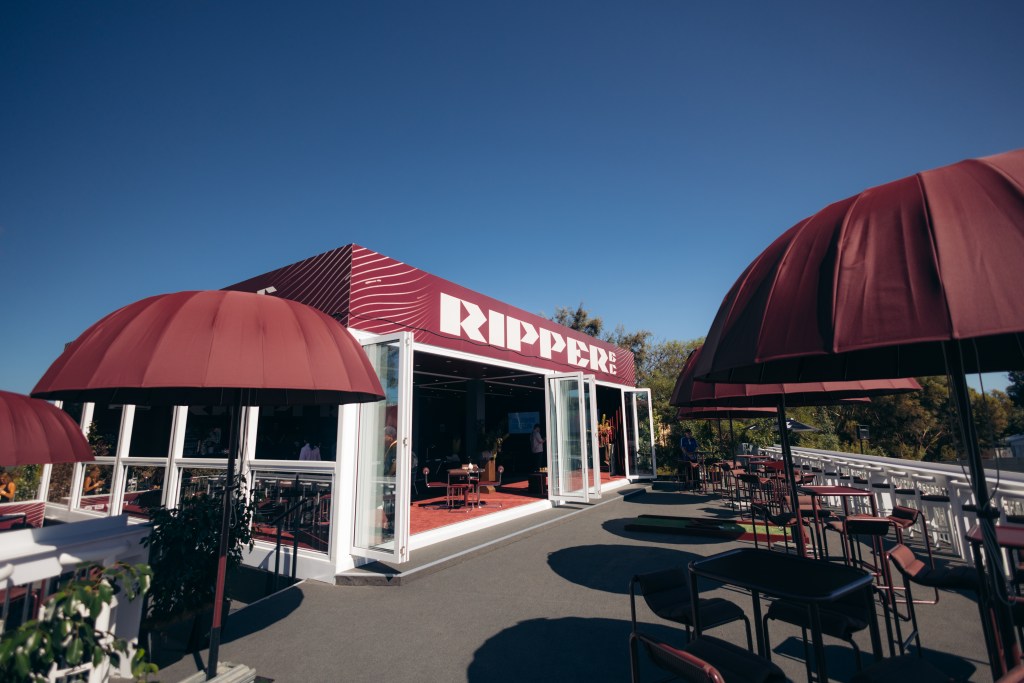
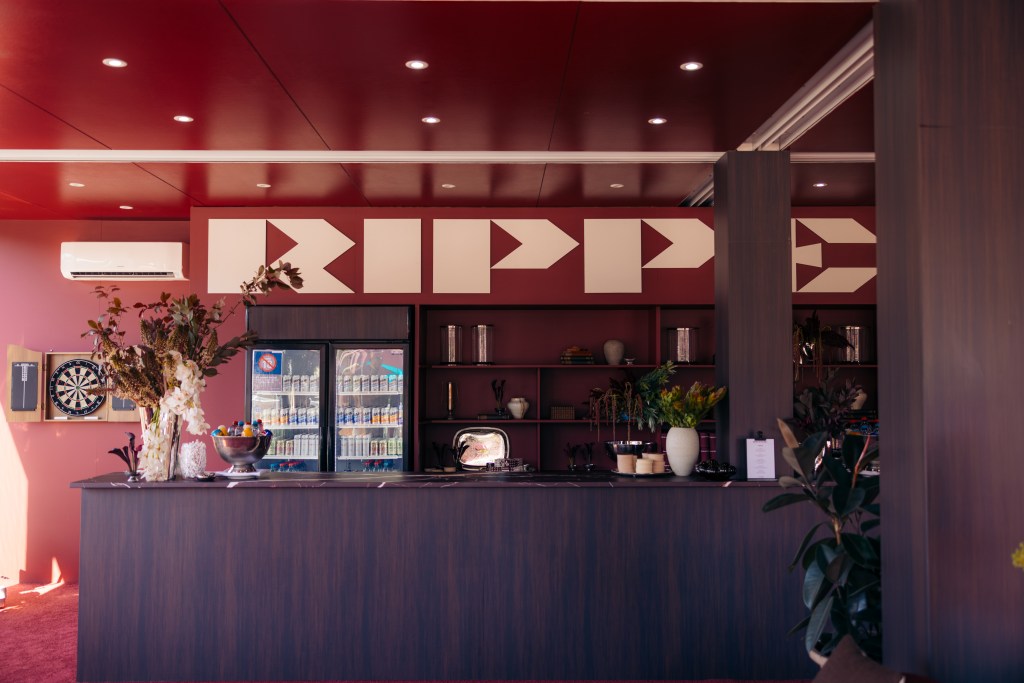

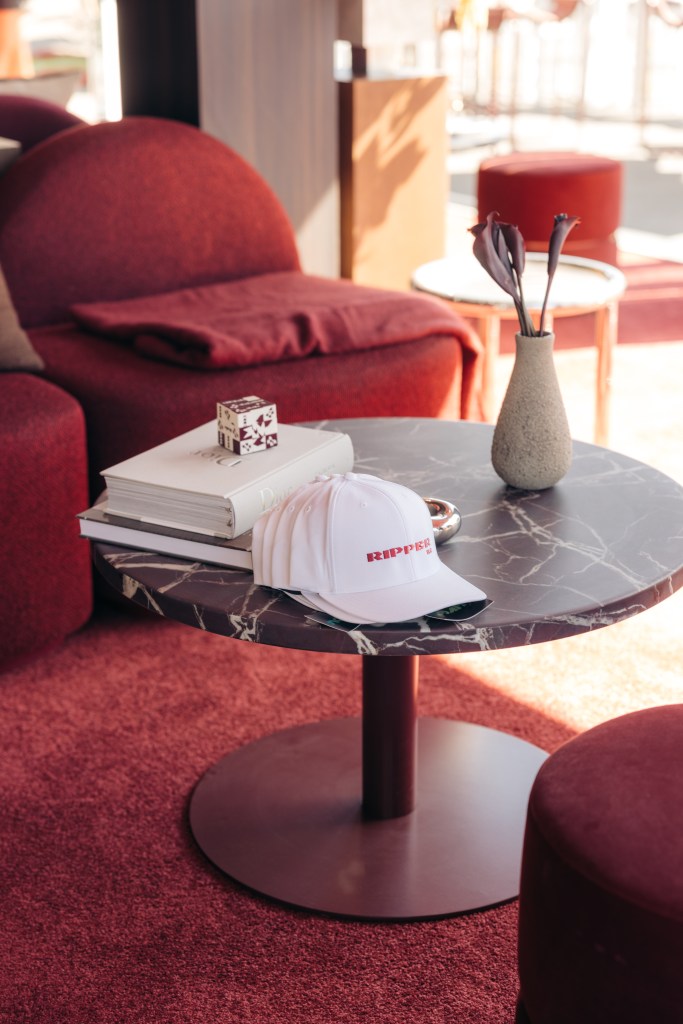

The new setup is designed to be an all-day destination with roaming cocktail menus featuring Spencer Gulf prawn cocktails, Kingfish ceviche, and Wagyu beef cheeseburgers.
Beyond the ropes, the space includes a golf simulator cornhole, backgammon, and a rotation of DJs including Torren Foot and Jono Ma, keeping the energy high from the first tee shot until the crowds migrate to the main stage for headline acts like FISHER and John Summit.
“What LIV does is opens it up to a whole new audience that never really had the opportunity to participate and follow sport,” Adams says. “I think we’re starting out this year to create a Ripper only experience, but I do believe this will become the destination of the Adelaide event as we build.”
A billion dollar vision
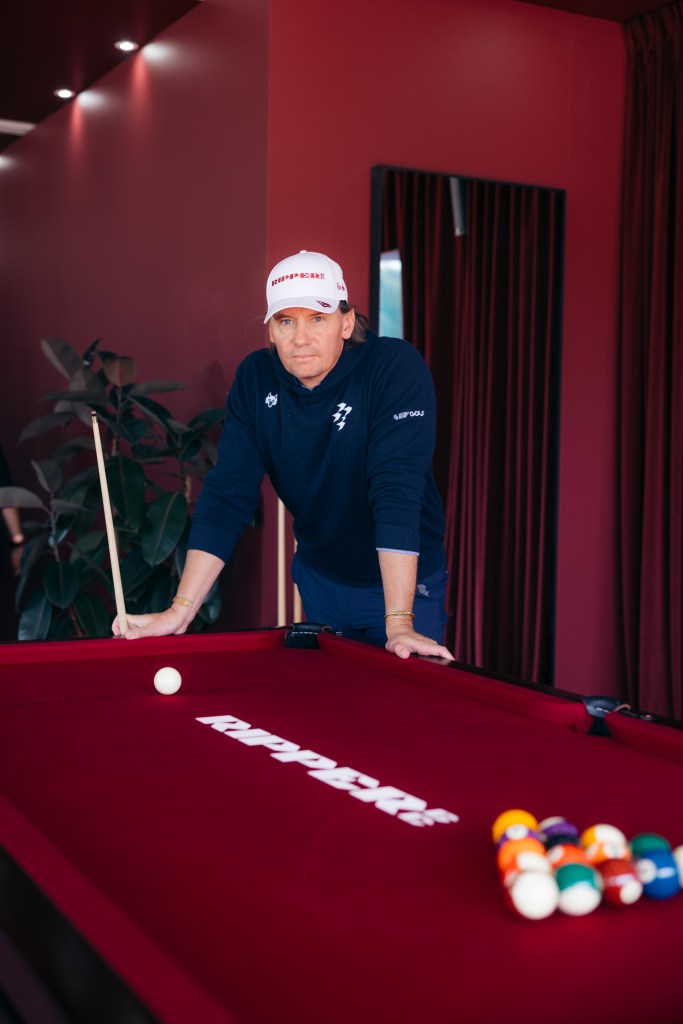
Adams’ ambition for Ripper GC also extends beyond hospitality tents and burger menus. The breakaway league has set a high bar for its 2026 season: turning all 13 of its teams into $1 billion franchises.
During the league’s preseason “Teams Week,” Head of Team Business Operations Katie O’Reilly confirmed the goal is to build a professional model that mirrors the massive valuations seen in the NFL or F1.
Following the lead of major US sports franchises, Adams and Smith are eyeing hard assets. In 2024, they teased the idea of a high-performance academy. Two years later, the vision has expanded to potentially owning their own golf course – a move that would turn the team into a property holding company as much as a sports team.
“We’re always planning for the future… hopefully building a facility or also looking at running our own golf tournament and potentially buying our own course,” Adams reveals.
As for a location? He admits the economics of Australian real estate make it a challenge – “golf courses are expensive to run and expensive to own” – but confirms the hunt is active.
“It’s just got to be the right opportunity at the right time… if we can find the right opportunity, we’ll definitely look at it and take it under strong consideration.”
This drive for ownership trickles down to the players themselves. Captain Cameron Smith has been vocal about the appeal of the franchise model, where players have equity and input rather than just appearing as independent contractors. It’s a pitch that is resonating with a new generation of talent.
“A lot of these guys are businessmen,” Adams says. “They’re looking for a lot more and they’re looking to control their brand and they’re looking to control the outcome of their teams. You see it in the NBA, you see it in the NFL… there’s just more interest for these professional athletes to be more involved in everything that goes on, not just what they’re doing on the course.”
He points to his latest recruit Elvis Smylie as the case study.
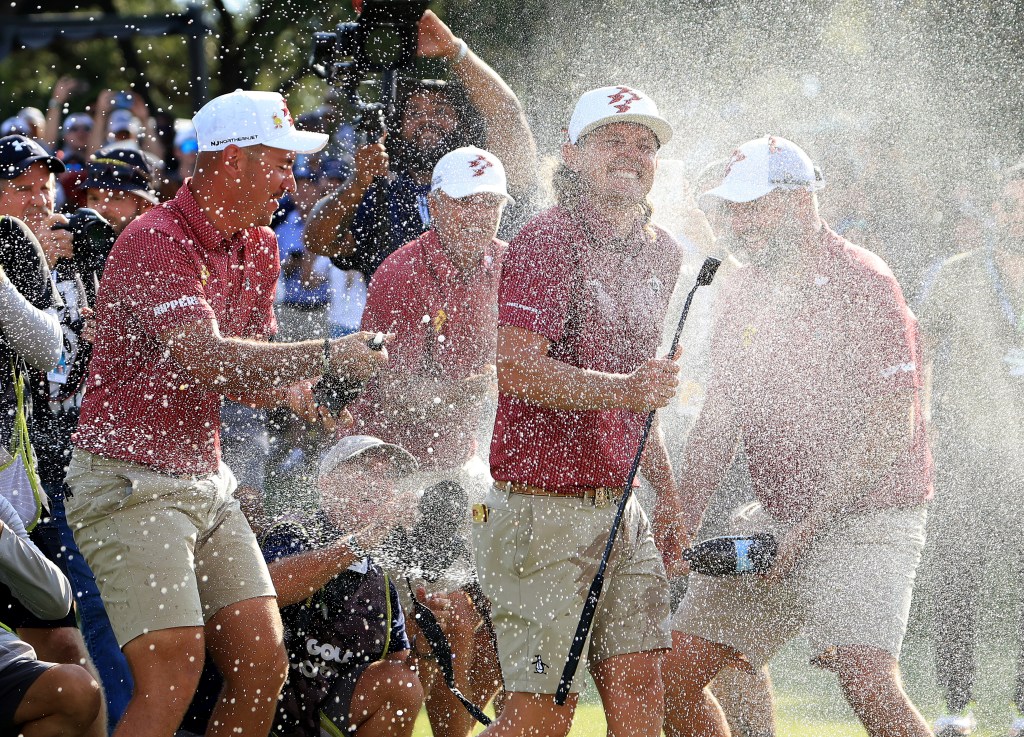
The 23-year-old Gold Coast native, who Adams describes as a “Blue Chip” asset, recently signed with the team and immediately paid dividends. In his debut in Riyadh earlier this month, Smylie claimed a historic $7 million payday, winning the individual title and helping Ripper GC secure the team trophy.
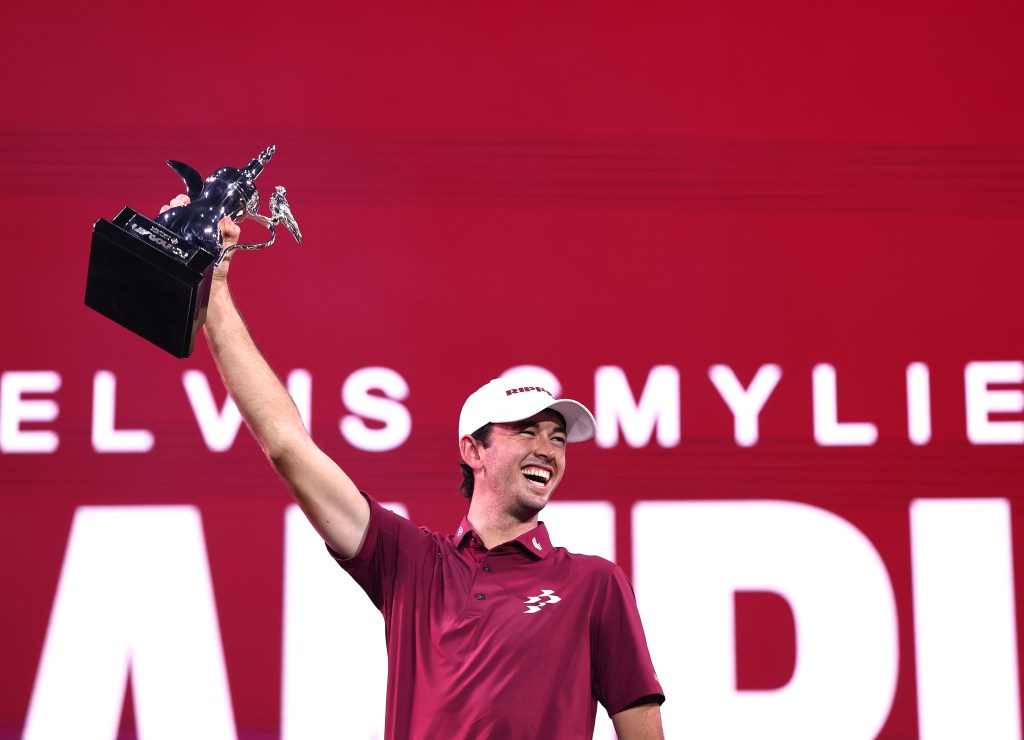
“I can see Elvis being one of the biggest sports stars that’s ever come out of Australia,” Adams says. “Not only his ability, but all the other things that he provides off the course. He is a genuine superstar in the making. You need some youth and Elvis provides that because it really spurs the group on.”
Smylie is the son of Australian tennis royalty – Grand Slam doubles champion Liz Smylie and player manager Peter Smylie. According to Adams, that pedigree has given the young star a maturity that money can’t buy. “It helps that his mother was a Grand Slam winner and both his parents were athletes,” he says. “He’s seen the ups and downs and [they] coached him pretty well as to what to expect.”
Want to see more Forbes articles on your feed? Tap here to make Forbes Australia a preferred source on Google.
Look back on the week that was with hand-picked articles from Australia and around the world. Sign up to the Forbes Australia newsletter here or become a member here.