For years, Australia’s startup ecosystem has wrestled with a stubborn reality: if you weren’t technical, your odds of founding and funding a venture dropped dramatically. And because computer science classrooms have long skewed male, that technical barrier is one major aspect reinforcing the gender funding gap. Artificial intelligence is beginning to shift that equation, writes OpenAI’s Satya Tammareddy.
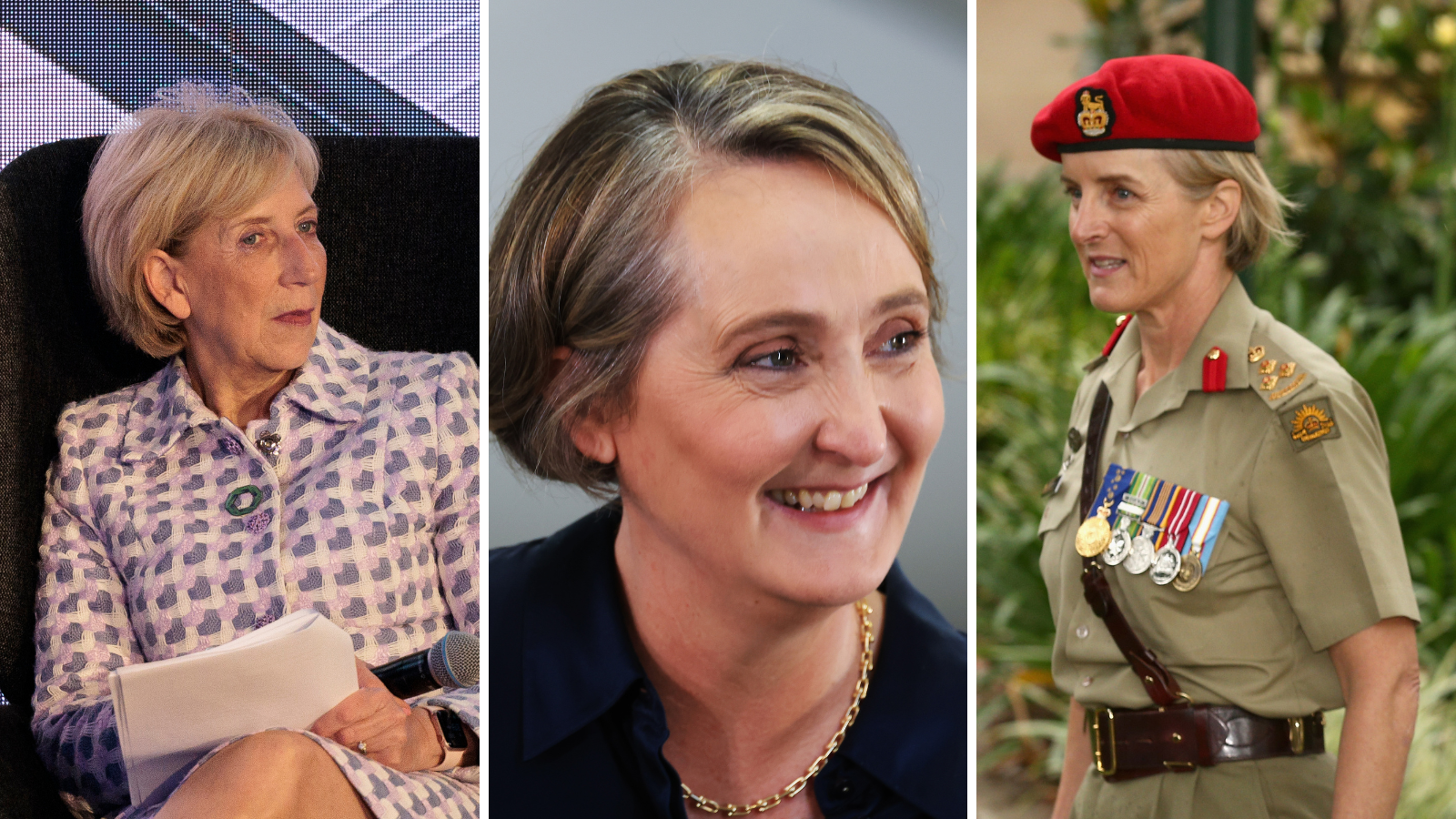
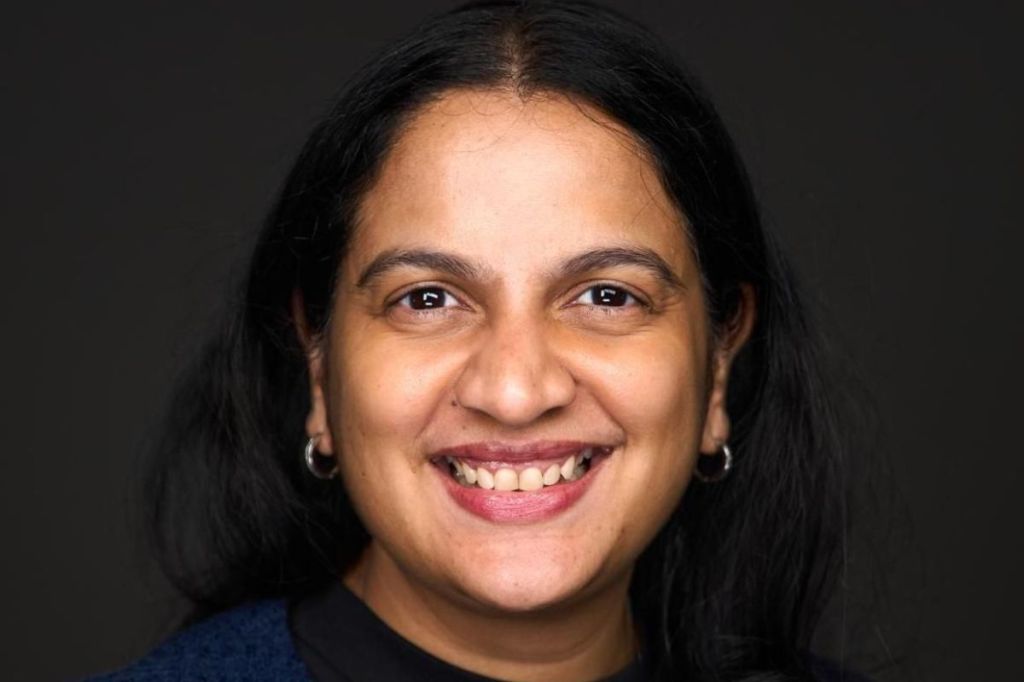
Satya Tammareddy will speak live on stage at the Forbes Women’s Summit on Wednesday, May 6.

Across the country and globally, female founders and professionals are using intuitive AI and “vibe coding” tools to prototype products, launch agents and even pivot into AI engineering roles without formal computer science or coding training.
As Build Club founder and Forbes Australia 30 Under 30 alum Annie Liao says, tools that once required deep technical fluency can now be picked up by people who have never coded.

Great barrier rift
No-code and AI-assisted coding tools like Codex don’t eliminate the need for engineers. It’s about lowering the barrier to start.
In conversations with women exploring AI coding, a consistent theme emerges: hesitation still exists. There remains a perception that AI and coding are “too technical” to attempt without formal credentials. Yet the most common advice to women entering the space is surprisingly simple: just get started.
This mirrors broader research on confidence gaps in professional settings. Women frequently feel they must meet 100 per cent of requirements before stepping forward, while men will apply or build with far less certainty. In AI, that dynamic risks sidelining talented female founders before they even begin.
The first guiding principle for female founders in this new era is simple: keep an open mind. The tools are evolving rapidly. What felt intimidating a year ago may now be intuitive, and what once required a Computer Science degree may now require curiosity.
Today’s AI platforms are fundamentally different from years past. AI assistants, study modes, embedded tutorials and intuitive interfaces mean experimentation no longer requires command-line expertise. What once demanded a formal Computer Science pathway can now be learned through micro courses and hands-on tinkering.
Community counts
The second guiding principle for female founders is to embrace change. Get out of your comfort zone and face challenges head-on. AI tools will continue to evolve and improve. The female founders who thrive will be those willing to adapt alongside the technology rather than waiting for certainty.
Those hesitant should consider joining communities like Build Club. What began as a small technical AI group has evolved into a global education and co-working network operating in more than 60 cities, with over 4,000 members.
In its early days, the community skewed heavily technical. But as no-code and AI-assisted tools’ adoption rates increased, participation broadened and the gender split evened out at the club.
Female founders within the network have gone on to join leading accelerators, including Y Combinator. Others have pivoted from non-technical backgrounds into AI-specific roles. One participant, originally working as a data analyst at an Australian bank, taught herself AI engineering by attending weekly sessions and experimenting with tools.
Another built an AI-powered extension of her personal brand, effectively creating an AI version of herself to serve her audience despite having no formal coding background, Liao recalls. Her founding principle is simple: no one should get left behind in the AI wave.
Mentors also matter. Having someone show you what’s possible matters. So does experience, and the network you build over time. But what’s different now is that AI tools are helping women move faster than ever before without waiting years to “earn” their place.
This is about staying relevant and being adaptable in a world that’s changing quickly, not just about launching startups. AI fluency is becoming a practical business skill, not a niche technical domain.
Keeping an open mind allows women to see possibility where others see complexity. Embracing change ensures they are not left reacting to disruption but actively shaping it.
Australia’s opportunity
For Australia, the stakes are high. As global AI capability accelerates, participation will shape economic outcomes. Recent internal OpenAI data reinforces the urgency. In Australia, a ChatGPT power user (top 5 percent) uses eight times more advanced thinking capability than the median user. Meanwhile, for high-level reasoning and coding tasks, Australia ranks in the bottom 10 percent globally for token usage per person.
The issue isn’t access or adoption, it’s participation. If women remain underrepresented in AI creation, the innovation dividend narrows.
But if intuitive tools and inclusive communities continue to expand, the female founder and talent pool broadens, and the capability gap shrinks.
The lesson is clear: democratising AI is not just about access to software. It is about lowering mental barriers, fostering safe experimentation and building ecosystems where curiosity is rewarded.
The next generation of Australian female founders may not come from computer science lecture halls. They may come from marketing teams, consulting firms, Instagram followings or Sunday co-working sessions armed with AI tools, community support, an open mind and the willingness to embrace change.
And many of them may never have formally learned to code.
Want to see more Forbes articles on your feed? Tap here to make Forbes Australia a preferred source on Google.
Look back on the week that was with hand-picked articles from Australia and around the world. Sign up to the Forbes Australia newsletter here or become a member here.