Every year, the Australian economy bleeds an estimated $66.3 billion. It is not lost to supply chain disruptions, regulatory changes, nor market volatility. It is lost to sheer, chronic exhaustion.
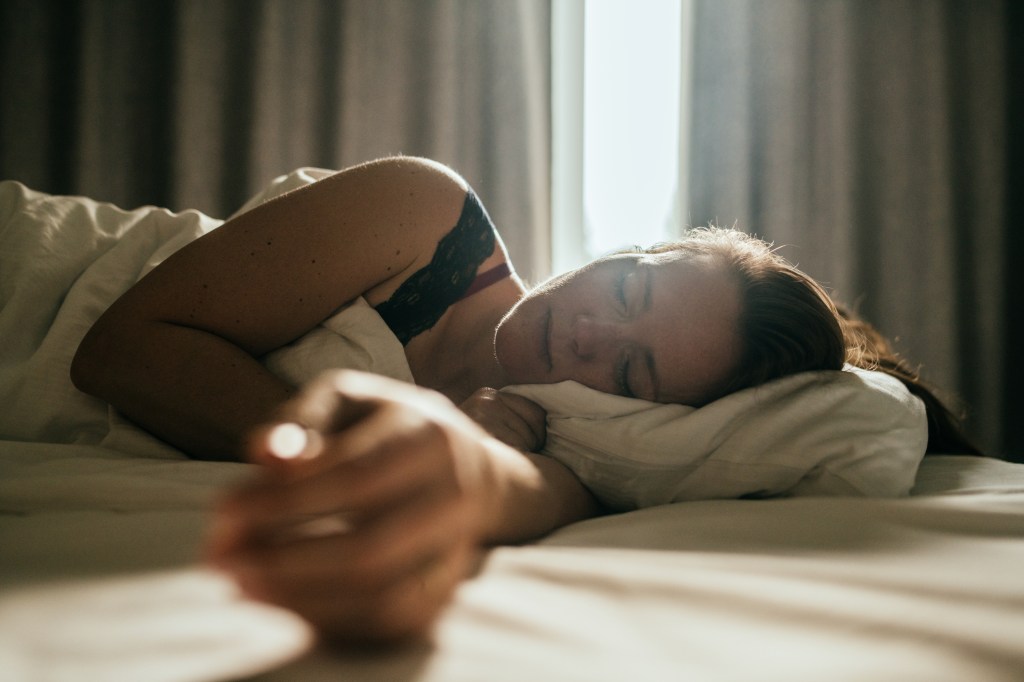
According to a landmark report from the Sleep Health Foundation and Deloitte Access Economics, inadequate sleep is costing us tens of billions annually in lost productivity, health costs, and lost well-being. But if you look closely at who is carrying the heaviest cognitive debt, it is our leadership class.
If you are wondering whether this is a post-pandemic phenomenon, the answer is a resounding yes. The shift to hybrid work was supposed to give us our time back. Instead, it obliterated the physical boundaries between the boardroom and the bedroom. We did not stop commuting; we just started sleeping in our inboxes. The pandemic accelerated an always-on digital culture that has left our nervous systems in a constant state of hyper-vigilance.
The data reflects this perfectly with recent figures from the Australian HR Institute (AHRI) reveal that an alarming 68.8% of leaders report feeling burnt out, compared to 58.4% reported by their own team members. Furthermore, Deloitte research shows nearly 70% of C-suite executives are seriously considering quitting for a job that better supports their well-being.
Put this all together and we have a monster coming over the hill; a $66 billion economic drain, a 70% executive flight risk, and people leaving their careers. It has become clear that sleep deprivation is no longer a soft HR issue, exhausted employees are now a significant and measurable governance risk.
Think about it biologically. Research has proven that staying awake for 17 to 19 hours straight impairs your cognitive function and reaction times to the exact same level as having a blood alcohol concentration (BAC) of 0.05. If your executives are routinely working 18-hour days to keep up with post-pandemic workloads, they are making strategic, multi-million-dollar boardroom decisions under the influence of severe fatigue. You would never let a CEO drive a company car at 0.05 BAC, yet it appears we routinely let them drive company strategy in the exact same cognitive state.
We know the problem, but our current technological solutions are failing us. For the last few years, our approach to sleep tech has been entirely backwards. We strap passive wearables to our wrists that simply track how badly we slept, only to wake up with performance anxiety over a low sleep score. As a scientific futurist, I am looking at what comes next. We are moving away from passive tracking and entering the age of the Fiduciary AI.
A Fiduciary AI is a technology that acts as a dedicated, proactive guardian for your health. Instead of just telling you that you slept poorly, the technology of the near future will actively intervene to engineer a perfect night of recovery. We are talking about turning your bedroom into a highly calibrated sleep lab, where smart environments automatically drop the ambient room temperature and shift the lighting to strip out blue spectrums the moment you enter the room.
You do not need to wait for the smart bedroom of 2032 to start treating your rest as a strategic asset. To stop cognitive asset stripping, we must attack the problem across three fronts: at home, in the office, and through our leadership.
- For the Home: Actively manage your thermal environment. Your core body temperature needs to drop by about 1 degree Celsius to initiate and maintain deep sleep. Stop relying on heavy blankets that trap heat. Turn your air conditioning down (the optimal bedroom temperature is around 18 degrees Celsius) or invest in a cooling mattress pad to keep your core temperature stable. We now have smart beds available in Australia such as Eight Sleep.
- For the Office: Destigmatise the nap and embrace chronotypes. We need to stop forcing biology to fit arbitrary office hours. Encourage chronotype-matched working. Let your night owls start late and your early birds finish early when their cognitive peaks actually align with their tasks. Let’s also investigate corporate sleep pods. A 20-minute power nap in a dedicated, sensory-deprived pod is a biological reset that clears adenosine (sleep pressure) from the brain.
- As a Leader: Weaponise the Scheduled Send button. As a leader, your shadow is long. If you send a 2am email because you are travelling or that is when you do your best thinking, your team may feel obligated to be awake at 2am to receive it. Actively role model the Right to Disconnect. Use scheduled send or use your EA team to mitigate the message times.
The most successful leaders of the next decade will not be the ones who stay up the latest; they will be the ones who sleep the deepest.
Adjunct Professor, Dr Catherine Ball is an award-winning, company director, bestselling author and futurist working across projects where emerging technologies meet humanitarian, education and environmental needs.
Want to see more Forbes articles on your feed? Tap here to make Forbes Australia a preferred source on Google.
Look back on the week that was with hand-picked articles from Australia and around the world. Sign up to the Forbes Australia newsletter here or become a member here.