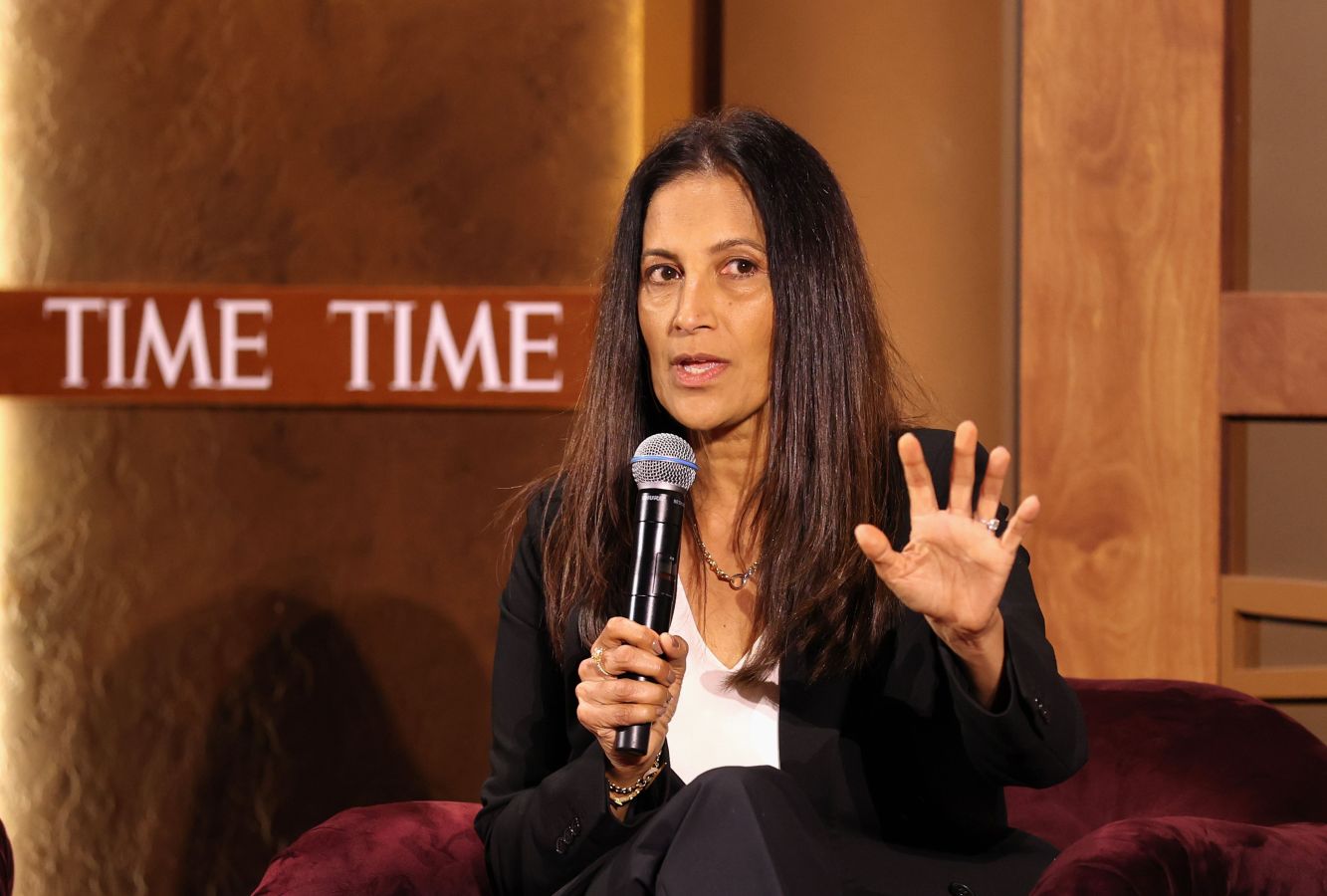
Opinion: Espousing the benefits of AI to staff risks alienating a cohort already worried about their career prospects, argues Kylie Paatsch.

There’s an interesting paradox playing out in workplaces right now. Many employees are enjoying AI. They’re using it to draft emails, reports and presentations. Or they’re using it to summarise detailed or complex information, problem-solve and to work faster and more effectively than ever before.
And yet, underneath that enthusiasm, something quieter is also happening. A low-level unease that doesn’t always get named in team meetings or one-on-ones but is circling at the back of their minds: Will I still be relevant? Is my role safe? Am I being set up for success here, or am I being set up to be replaced?
The 2026 Edelman Trust Barometer gave that unease some numbers. More than half of low-income workers globally believe AI will leave them behind rather than benefit them.
In the UK and United States, that figure climbs above 65 per cent. And only 32 per cent of people globally believe the next generation will be better off. In Australia, optimism drops even further, with only 22 per cent believing the next generation will be better off than the last, below the global average. It’s also worth noting that 2026 saw Australia record its largest trust gap between high and low-income earners since 2021.
These are the responses of a workforce that, while getting on with it, is quietly wondering where it all leads. The leadership challenge for many of us is managing the opportunities that AI brings while also addressing the uncertainty and fear that is bubbling away beneath the surface.
What leaders are missing
The instinct among many leaders is to focus on the upside of AI: the excitement, the productivity benefits, the possibilities, and, in more forward-planning organisations, the future rollout plans and direction. And while clarity and optimism are important, they may be missing what their people actually need: some acknowledgement that the uncertainty is real and that their concerns are heard.
When leaders focus entirely on the upside of AI, they can inadvertently send a message they never intended. And the cost of that is real. Gallup’s research consistently shows that disconnection and disengagement from leadership are among the fastest drivers of lost trust. In fact, up to 70 per cent of the variance in team engagement comes down to the direct relationship employees have with their leader.
When people feel unconsidered, they don’t just disengage quietly. They withdraw, protect themselves and stop bringing their best. In my thirty years of leadership and more than two decades of coaching and working alongside leaders, I have seen this pattern play out more times than I can count. The excitement at the leadership level rarely lands the same way across the rest of the organisation.
What your employees really need
The solution isn’t complicated, but it does require deliberate action. The first thing is acknowledgement. Not a town hall announcement or a transformation update, but a candid conversation that acknowledges what your people are feeling: that change of this scale is unsettling, that uncertainty is normal, and that their concerns are heard and taken seriously.
The second is reinforcement: consistently and specifically showing your people that you value them. Not just for what they deliver, but for who they are and what they contribute. The things AI simply doesn’t have or cannot replace.
The third is capability, both yours and your people’s. You need to develop the confidence and skill to have the harder conversations about change and uncertainty. And you need to be actively investing in your people’s growth. This means helping them build the skills that make them confident contributors in an AI-enabled workplace, not anxious bystanders.
And the fourth is consistency. This isn’t a one-off conversation. It’s an ongoing signal that your people matter, not just when there is news to share, but in every interaction in between.
Prioritise your people
The pace of change can easily consume your attention. But the simplest and most powerful thing you can do is to make the people around you feel like an actual priority, not an afterthought in the middle of a transformation agenda.
AI is changing how work gets done. That much is certain. But it hasn’t changed what makes people stay and bring their best. That still comes down to the very human sense that the person leading them gives a damn.
Kylie Paatsch is the author of The Connect Effect. She is a leadership coach, speaker and facilitator who has worked with thousands of senior leaders across Australia and internationally.
Want to see more Forbes articles on your feed? Tap here to make Forbes Australia a preferred source on Google.
Look back on the week that was with hand-picked articles from Australia and around the world. Sign up to the Forbes Australia newsletter here or become a member here.