Australian digital workers are spending almost a full day each week “botsitting” AI, with new research revealing a growing gap between widespread adoption and real productivity gains

Some 90 per cent of digital workers in Australia use artificial intelligence to complete work tasks, yet only 10 per cent say the technology has improved organisational performance, with workers spending almost a day per week “botsitting” AI.
The study from Glean’s Work AI Institute of 6,000 full-time digital workers across the US, the UK and Australia revealed that roughly four in 10 Australian workers say AI sessions “fail outright”, resulting in “a restart, substantial rework, or a reset back to zero”.
Australian workers report spending 6.5 hours a week, almost an entire workday, in “botsitting” mode. This is defined in the report as feeding AI missing context, checking outputs, debugging mistakes, rerunning prompts and cleaning up wrong answers.
Some 73 per cent of the 1,500 Australian digital workers surveyed have corrected or redone AI-assisted work in the past month, and 30 per cent do it “at least weekly”. Another 45 per cent of Australians say they have delivered AI-generated work they could not fully explain.
Babysitting the bot
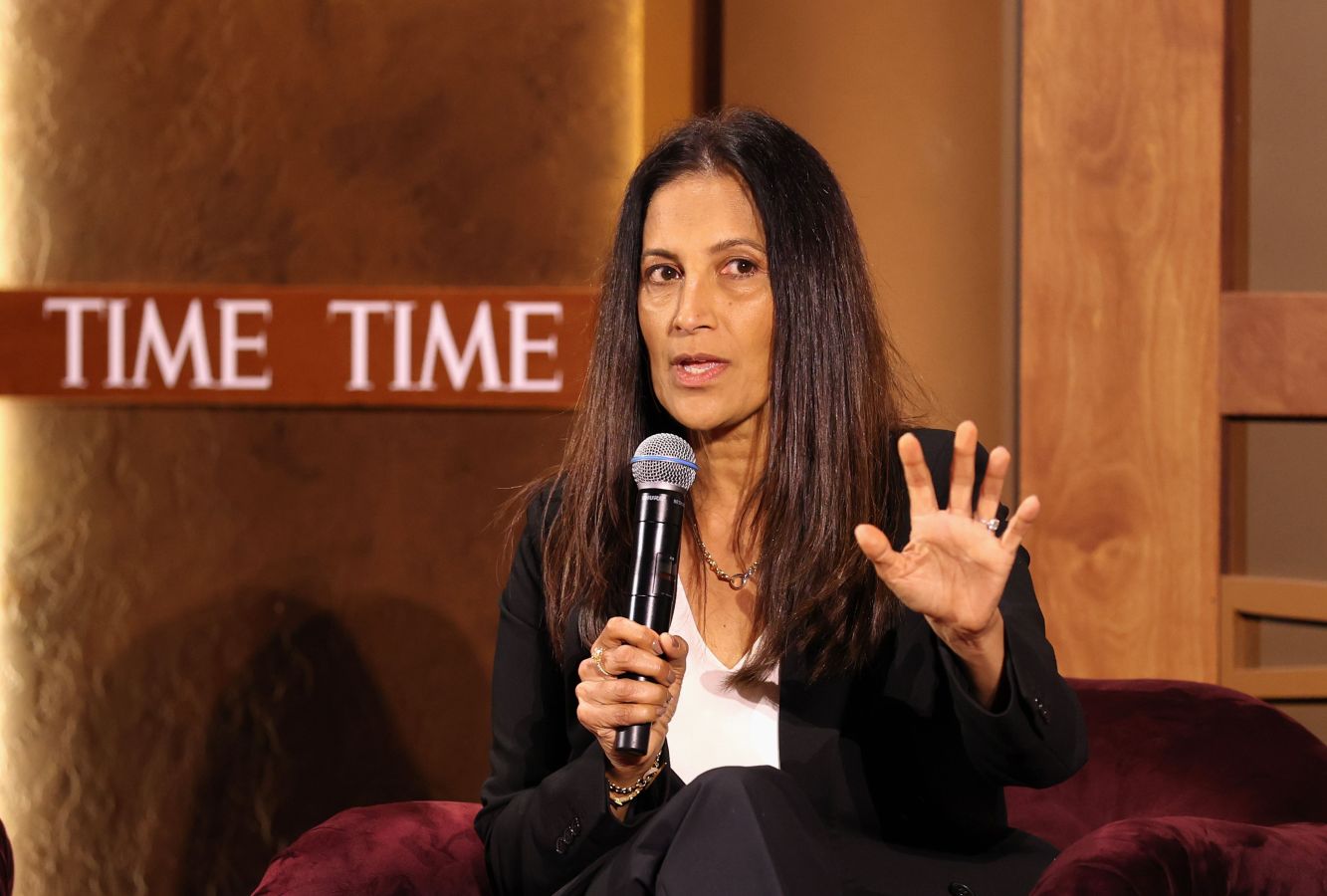
Work Futurist and Work AI Institute expert, Dom Price, says many of us use AI as if it’s an out-of-the-box software solution, when it’s “basically a dummy”.
“If we’re having to babysit (AI) for six and a half hours to make sure it does the right thing, you’re probably using it for the wrong thing,” he tells Forbes Australia. “If something used to take me seven hours and now it takes me half an hour, but I then spend the other six and a half hours looking after the bot, I’ve saved no actual time.”
The survey also found that 77 per cent of Australian AI users admit to at least one unchecked AI-output behaviour, compared with 64 per cent of Americans.
Furthermore, despite Australia’s high uptake of AI among digital workers – those defined as full-time employees who complete most of their work on computers or online tools – some 56 per cent say important information they need to do their job is not connected to or accessible through AI tools.
The productivity gap
The study also revealed the disconnect between the personal and company-wide impact of AI.
While some 72 per cent of Australian AI users concede that the technology makes them more productive overall, only 10 per cent say AI has significantly improved “organisational performance”.
“Australia has always been good at moving quickly and making new technologies work in practical ways,” says Price. “But AI is different because it doesn’t just ask organisations to adopt another tool – it asks them to change how work gets done. Right now, too many companies are trying to push AI-speed change through legacy-speed systems.”
Many organisations are rolling out AI to individuals rather than redesigning work at the team level, Price adds. This results in organisations using AI to speed up inefficient systems.
“They say, ‘We have this terrible process that we’ve never liked. Let’s put AI all over it and let’s do it faster’.
“My advice is: Don’t do the stupid thing faster. Instead, stop doing the stupid thing. Find a better way of doing it and then use AI as the accelerant.”
Workers feeling dismayed
Perhaps unsurprisingly, 43 per cent of Australian digital workers surveyed also say they feel worn out by AI tools, compared with 33 per cent in the US.
Furthermore, the problem of “botsitting” may have significant downstream effects, causing some employees to look for another job.
Frequent “botsitters” in Australia are 59 per cent more likely to be actively looking for another job, while workers who admit to shipping unchecked AI-generated work are 3.4 times more likely to be actively job-hunting.
These statistics are unsurprising to Price. “People get purpose and a sense of wellbeing from work,” he says.
“I don’t want to be spending eight or nine hours a day staring at a machine doing my job half as well as me, so I can then correct it and send out the output. If your job is the orchestrator and overseer of the bot, well, that will naturally sound quite miserable to you.”
Want to see more Forbes articles on your feed? Tap here to make Forbes Australia a preferred source on Google.
Look back on the week that was with hand-picked articles from Australia and around the world. Sign up to the Forbes Australia newsletter here or become a member here.