Opinion: From cold plunges and cryotherapy to intermittent fasting and IV vitamin drips, biohacking promises sharper performance and a longer life. Performance dietitian Jessica Spendlove examines what the evidence says.
Nearly three in four Australians now use complementary medicines, an industry forecast to reach $6.3 billion in 2025. Globally, the biohacking market has already passed US$20 billion and is tipped to more than double within a decade.
Cold plunges, cryotherapy, vitamin drips, fasting protocols and peptides are all marketed as ways to improve health, accelerate recovery and extend lifespan. While some have emerging evidence in specific settings, many of the claims being made are well ahead of what the science shows.
Over the past 15 years, I’ve worked with elite athletes, Australian Special Operations and corporate leaders, helping people perform at a high level while protecting their long-term health.
So where does the evidence sit, and which interventions are worth your attention?
Cold exposure
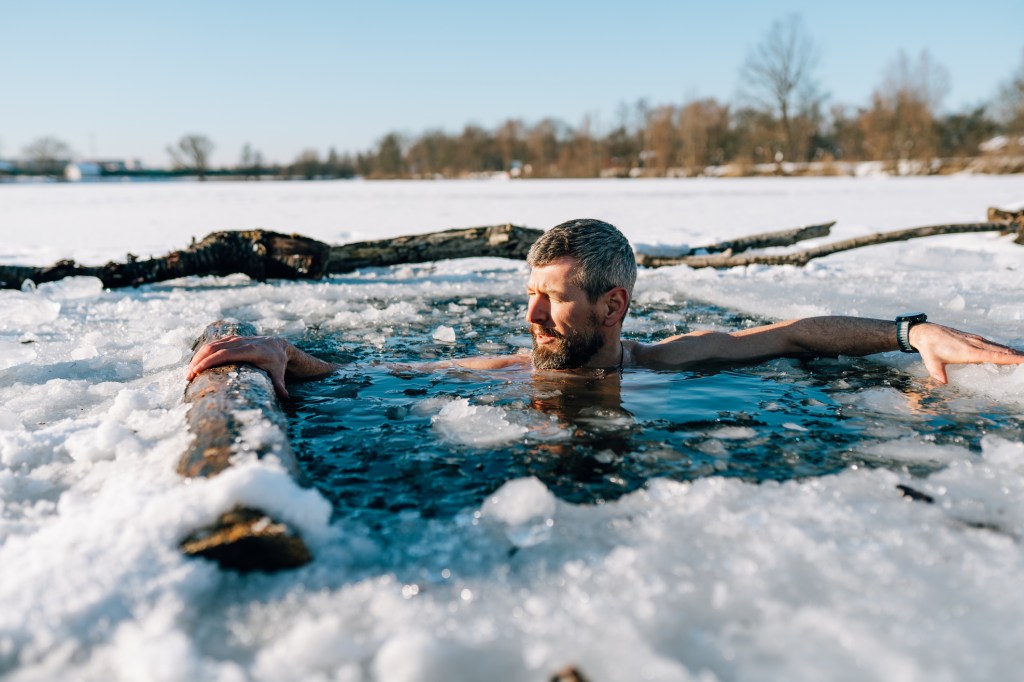
Ice baths and cryotherapy can reduce soreness and help you feel fresher after a hard session, but timing is everything. Research shows if you jump into cold water straight after strength training then you may blunt the very signals that drive muscle adaptation and protein synthesis.
A cold plunge can leave you feeling sharper and more switched on, likely through a noradrenaline surge. It results in short-term arousal and is a form of hormesis: a useful stress that your body adapts to over time.
IV vitamin infusions
IV vitamin infusions look clinical and sound effective, but for most healthy people the evidence is thin. Vitamins and minerals are usually best obtained through diet, and intravenous use is generally reserved for specific medical problems such as severe deficiency, malabsorption or critical illness.
Outside that context, there is no high-quality evidence that high-dose infusions improve energy, stress or immunity. In fact, the TGA has already taken action against unlawful advertising in the sector. If you have had one and felt great afterwards, fine. But that was most likely the litre of fluid and the impact this has on your overall hydration status.
Intermittent fasting
Intermittent fasting has a lot more nuance. There is some evidence fasting may support longevity through hormesis. It may have a place in managing some medical conditions. However, I see most people turning to it as a weight management tool. Or they may use it as a way to manage work or lifestyle commitments. Either way, they are often judging its effectiveness by the number on the scales.
What matters is what is happening underneath – body composition, protein intake, strength training and the wider dietary pattern. If someone is not intentional about those things, they may lose more lean mass than they realise.
Peptides
This is a broad category and runs from insulin and GLP-1s through to the compounds you have heard about on your favourite podcast.
Here is what you need to know, though. Many of those sold in Australia are unapproved products that have not been assessed for safety, quality or effectiveness. These are biologically active compounds that deserve the same seriousness as any prescription medicine.
If there is a genuine medical reason, that is a doctor-led conversation. If there is not, the risk rarely justifies the promise at the moment.
What really moves the needle
The evidence is clear. What you do on a daily basis has far more impact on your health, performance and longevity than any trend on this list.
The best biohacks are the basics done consistently. This does not mean robotic perfection, but strategies that hold up regardless of whatever season you are in, the travel you do and the commitments you carry.
Sleep
If there is one strategy commonly overlooked, it is sleep regularity. Irregular sleep-wake patterns are associated with a higher risk of early death, including from heart disease and cancer, and consistency may matter as much as the total hours you get.
Deep sleep, or slow-wave sleep, which is largely at the first half of the night, is also when the brain’s glymphatic system helps clear metabolic waste, adding another reason to treat sleep timing as a health habit, not just a recovery luxury. The goal here is to keep your sleep and wake times as consistent (within a 20 to 30-minute window) as possible.
Nutrition
Your overall dietary pattern plays a huge role in your health and performance. Choosing real food that is minimally processed with short ingredient lists ( as opposed to ultra-processed options) can make a large difference.
Protein matters too, both how much you eat and how you spread it across the day. This is what I call protein pulsing, which has enormous benefits including more stable blood sugar levels, energy and appetite. It also protects muscle, whether you are training hard or defending against the muscle loss of ageing. Then there is fibre and a wide diversity of plant foods, which feeds a more diverse gut microbiome and is consistently linked with better health.
Exercise and movement
If there is one area where the evidence is especially clear, it is exercise. The two biggest levers are strength and cardiorespiratory fitness. Higher cardio-respiratory fitness is strongly linked with lower all-cause mortality, and the relationship appears dose-responsive, with no obvious upper ceiling to the benefit.
Strength matters too, not just for performance but for aging. Muscle is a major buffer against frailty, and low muscle massis linked with faster cognitive decline in older adults. The practical third piece is movement volume. You do not need to chase 10,000 steps, but you do need to avoid being sedentary. The mortality data suggest that around 7,000 to 8,000steps a day captures much of the benefit.
The truth about stress and recovery
Stress works like a training load. It is a stimulus you adapt to and grow from, provided you recover from it. The damage comes from chronic load without recovery.
It is worth adding that most people in the corporate world treat recovery as a reward. In every group I survey, more than 85 per cent admit they feel guilty prioritising recovery and that they treat it as a luxury. Elite athletes and special forces operators do the opposite. They understand that recovery is as important as training hard, if not more important, because this is when adaptation happens.
None of the above habits require a lifestyle overhaul. They require consistently repeating a small set of foundational behaviours across nutrition, movement, sleep and stress.
What I see far too often is people looking for the next optimisation strategy before they’ve consistently built these foundations. If you want to optimise your health, start there.
Build the habits with the strongest evidence behind them until they become automatic, then earn the right to optimise. Because ultimately, you can’t ice bath or IV vitamin infusion your way out of chronic sleep debt, poor nutrition, too little movement or chronic stress.
Jessica Spendlove is a wellbeing and high-performance keynote speaker, coach and author of For the Long Run: Build your daily operating system for energy, recovery and wellbeing (Wiley). She is one of Australia’s leading performance dieticians, and has worked with hundreds of elite athletes, corporate leadership teams and as a consultant to Australian Special Operations.
Want to see more Forbes articles on your feed? Tap here to make Forbes Australia a preferred source on Google.
Look back on the week that was with hand-picked articles from Australia and around the world. Sign up to the Forbes Australia newsletter here or become a member here.