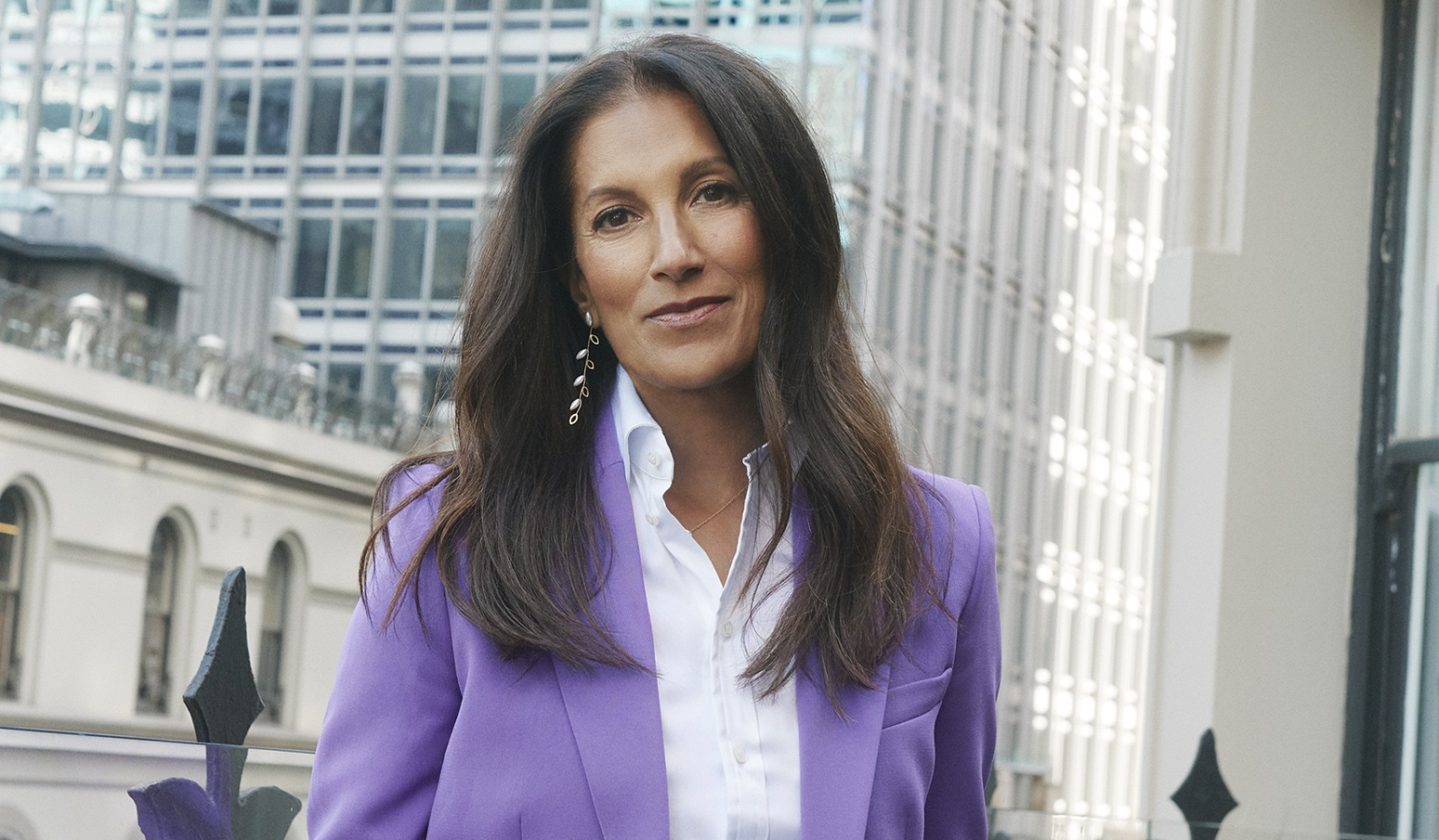
Over 70 per cent of eligible shareholders voted against the Xero board’s decision to award Sukhinder Singh Cassidy a target pay package of $25.5 million amid the company’s stock struggles.
Key Takeaways
- Xero investors on Thursday protested the board’s decision to give Sukhinder Singh Cassidy a pay rise that sees her target remuneration hit $25.5 million.
- A full 70.6 per cent of investors voted against adopting the board’s remuneration report at Xero’s annual general meeting on Thursday, versus 29.35 per cent that voted for.
- Xero’s board does not require shareholder approval to install Singh Cassidy’s compensation package, but put it forward to an advisory vote “a matter of good governance”
- The company is not bound to amend its remuneration plans due to the vote, but it marks a firm rejection from investors rankled by the timing and structure of the pay package.
- Xero’s stock price has fallen by half over the past year, now trading at $82.74. Its peak of just under $194 was hit last June.
- The board acknowledged shareholder “frustration” over Singh Cassidy’s recent disposal of $2.2 million of stock, which represented the last remaining of her vested stock.
Key Background
Earlier this week Xero’s board rewarded chief executive Sukhinder Singh Cassidy with a 22 per cent pay rise, lifting her target remuneration to US$18 million ($25.5 million). The overwhelming majority, a total of US$17 million, comes through long-term equity awards split 60-40 between performance and service.
Under New Zealand law, Xero’s board is able to award its CEO that compensation package without shareholder approval. It put forward its remuneration report during Thursday’s annual general meeting in an advisory capacity “as a matter of good governance.”
It means Xero’s board is not required to amend Singh Cassidy’s compensation in any way, but the vote stands as a rebuke over the timing and structure of the pay package. Proxy advisers told the board that Singh Cassidy’s incentives should be weighted more to performance rather than service – with service awards vesting throughout the compensation plan’s three-year duration.
Xero’s stock is down by 49 per cent over the past year, and more than that since its June peak last year. Xero’s board argued the rout is a function of the market’s general revaluation of software stocks in the face of AI uncertainty, and the pay rise was justified by Xero’s “exceptional operational execution” under Singh Cassidy.
Xero’s board determined the pay rise appropriate because it takes Singh Cassidy’s package to median of chief executive pay among a group of US-based tech peers.
In 2024, when remuneration was last reviewed, the board granted Singh Cassidy a one-time 575,000-option grant, valued at US$26.49 million at the time. The options carried a strike price of $171. Since the company’s stock has plummeted far below that, those options are currently worthless. Xero’s board said shreholders “made it clear” they did not want those options to be repriced, canceled or replaced.
Singh Cassidy was criticised in July for selling $2.2 million worth of Xero shares, the remainder of her vested shares. Xero’s board acknowledged shareholder “frustration” over the incident. Under the conditions of Singh Cassidy’s new package, the CEO is required to build and hold 500 per cent of her US$640,000 base salary within the next three years.
Crucial Quote
“Three themes have come through consistently across the proxy reports,” people and remuneration committee chair Susan Peterson said.
“The first is that incentive outcomes for the year should have been reduced to reflect the shareholder experience; the second is that too large a proportion of the CEO’s equity vests on continued service rather than on performance; and the third is that the CEO’s recent share sale, together with the absence of a minimum shareholding requirement, falls short of what is expected of a company of our scale.”
“From April 2023 to March 2026, Xero beat its growth targets and ranked in the 64th percentile against industry peers. Overturning this based on short-term stock volatility unfairly dismisses three years of progress.”
Big Number
US$4.4 million. Despite formulating a pay pack that could one day see Singh Cassidy become amongst the highest paid executives on the ASX, the board estimates her realisable pay for the current financial year will be US$4.4 million.
Want to see more Forbes articles on your feed? Tap here to make Forbes Australia a preferred source on Google.
Look back on the week that was with hand-picked articles from Australia and around the world. Sign up to the Forbes Australia newsletter here or become a member here.