Blackbird has raised $1.05b from prestigious global institutions like Morgan Stanley and Schroders to establish the biggest Australian VC fund yet.
Key Takeaways
- Blackbird has raised $1.05 billion for its sixth fund, narrowly edging out its $1.035 billion vintage from 2022 to set a record for the biggest fund in Australia.
- That was achieved via backing from international institutions Morgan Stanley, Schroders and Adams Street Partners, as well as local superannuation firms and Australia’s sovereign wealth fund.
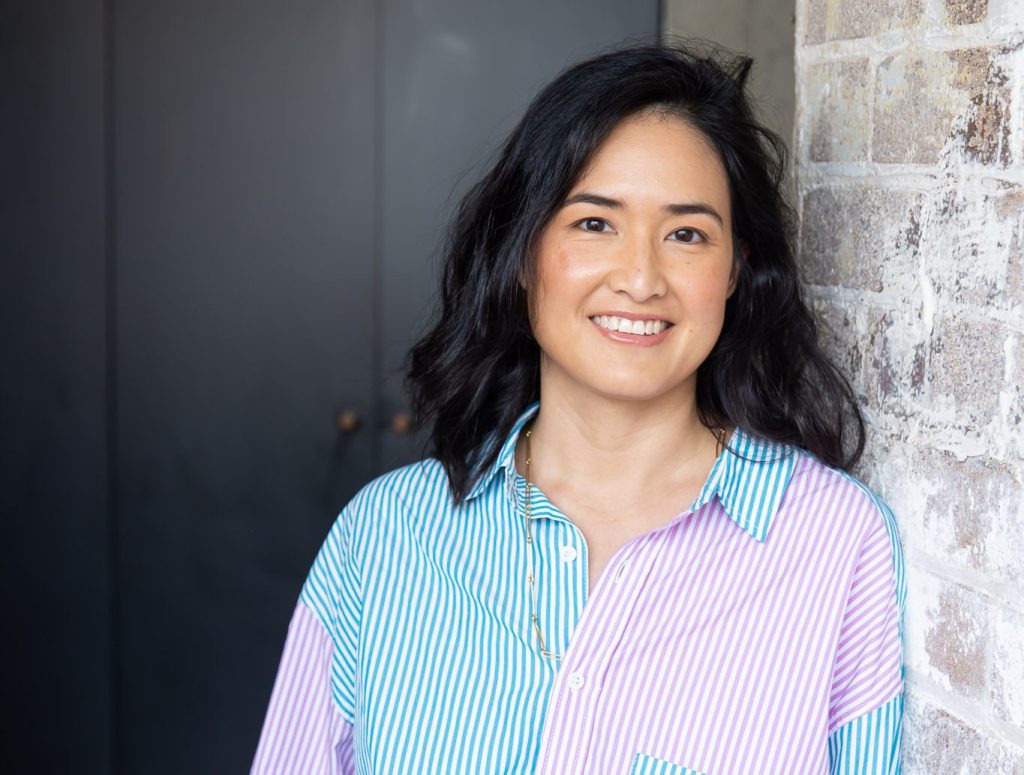
- Blackbird General Partner Samantha Wong says the firm is growing “cautious” around AI, with many of the most obvious bets already having been made.
- Blackbird has returned US$1.4 billion to investors while still remaining the largest investor shareholder in Canva.
- While AI will be an ongoing investment area, Wong expects Blackbird to ramp up investments in “deep tech” startups born out of cutting-edge science.
Blackbird general partner Samantha Wong says the “low-hanging fruit” in the booming AI sector has already been picked as the firm looks to deploy a record-setting $1.05 billion in fresh capital.
After years of AI startups absorbing huge flows of VC cash, Wong says Blackbird is wary of the crowded field of players pitching AI for individual professions and is actively looking beyond the software layer.
“The low hanging fruit has been picked, so we’re being a bit more cautious there,” Wong said of AI. “I would be lying if I said AI isn’t going to be a big thematic… we’re very interested still, but we’re quite interested in layers above the model. And AI for ‘insert profession,’ it’s hard to see a lot of opportunity there.”
There are many successful examples of AI startups seeking to streamline particular jobs with AI. Cursor did it for coders and was acquired by SpaceX for US$60 billion; Harvey AI is doing it for law and has a valuation of US$11 billion. Heidi is using AI to ease the paperwork burdens of healthcare professionals – and Blackbird owns 35 per cent of it.
But with these horses having left the barn, Wong expects the next opportunities to come from deep tech layers like infrastructure and semiconductors. The VC has typically spread investments 70/30 between software and deep tech, Wong said, with companies like PsiQuantum, Morse Micro and Gilmour Space Technologies comprising the latter category.
“I can see us doing more deep tech over this fund cycle,” Wong said.
The fund is Blackbird’s sixth and narrowly edged out 2022’s $1.035 billion vintage to become the biggest ever raised in Australia. That was achieved with the help of global institutional capital -Morgan Stanley’s private asset arm, Schroders and Adams Street Partners all participated.
Blackbird says it has returned US$1.4 billion back to its LPs since inception, off US$2.1 billion in capital deployed thus far, via 17 transactions across 9 companies. With funds typically invested over 10-year time horizons, most of those returns come from Blackbird’s 2013, 2015 and 2018 vintages.
The major returns have come from Canva holdings being sold to new investors and the US$1.15 billion acquisition of Eucalyptus by Hims & Hers, which Wong says returned its $261 million 2018 fund twice over.
Blackbird remains the biggest individual shareholder in Canva. Wong says Blackbird is holding the Canva shares remaining from its first fund until IPO. Its more recent promising holdings include Halter, a $2.8 billion Kiwi startup that provides virtual fencing and herd management for cattle farmers, and Heidi, which is reportedly in talks to raise at a valuation over $1 billion.
“They’ve recognised there’s something quite interesting in the type of companies we invest in,” Wong said of Blackbird’s new international investors. “The Heidi Healths, the Eucalyptuses, the Halters, these are not logos that are in every other Silicon Valley firm’s funds.”
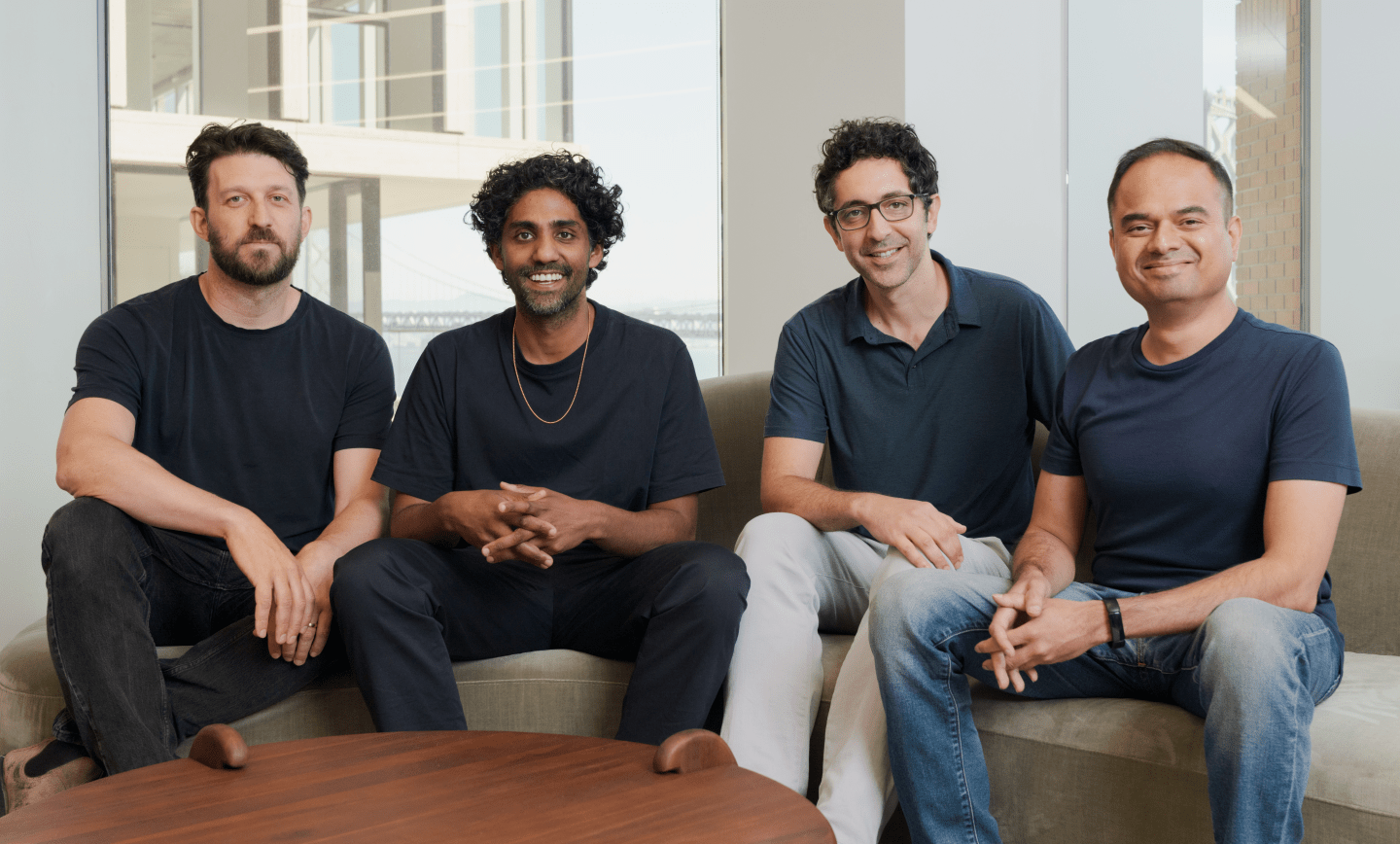
Its biggest ever single investment, of $200 million, came earlier this year when it backed Silicon Valley-based Baseten. The startup, which counts two Australians among its four founders, says it reduces the costs of enterprise AI through boosting the efficiency of inferencing (accessing AI models hosted in data centres) and helping companies train open-source models.
Though Blackbird has backed many of the region’s most successful startups, including Mitti (formerly SafetyCulture), Halter and Airwallex, it has yet to enjoy the windfall of one of its unicorns going public. Wins from acquisitions and the sale of early investments to incoming investors have netted Blackbird patience from the LPs of its earliest funds.
“I’d love to see the ASX become a meaningful exit path for companies,” Wong said. “The scale that is required to list on the Nasdaq now is rarefied air, but there are many companies doing [in the] low hundreds of millions of dollars who are still fast growing, and in some cases profitable, would be great prospects for the ASX.”
“It’d be great to see the ASX become a home for a bunch of these companies, not just in our portfolio.”
Blackbird also received investments from Australia’s sovereign wealth fund as well as superannuation funds HESTA, Aware Super and Hostplus.
Want to see more Forbes articles on your feed? Tap here to make Forbes Australia a preferred source on Google.
Look back on the week that was with hand-picked articles from Australia and around the world. Sign up to the Forbes Australia newsletter here or become a member here.