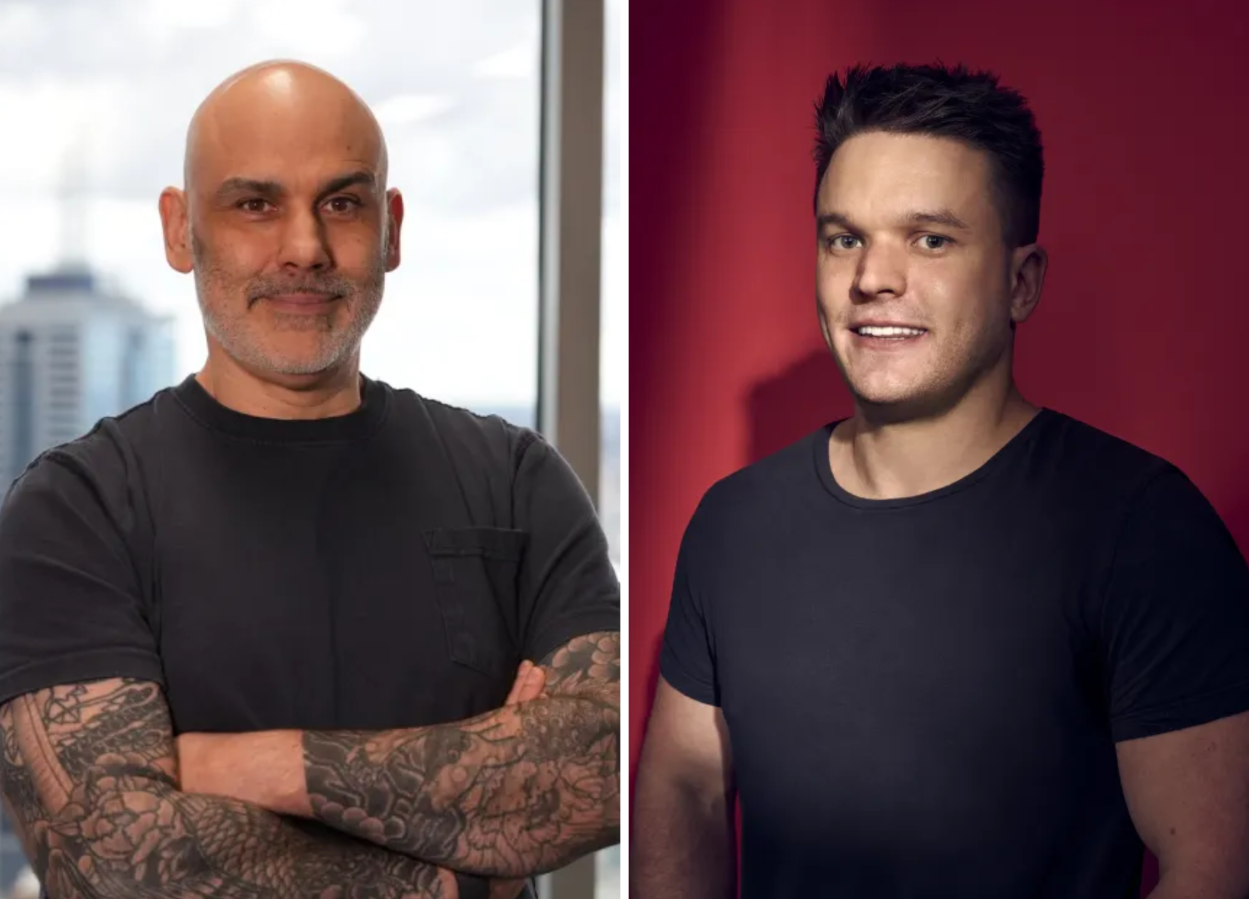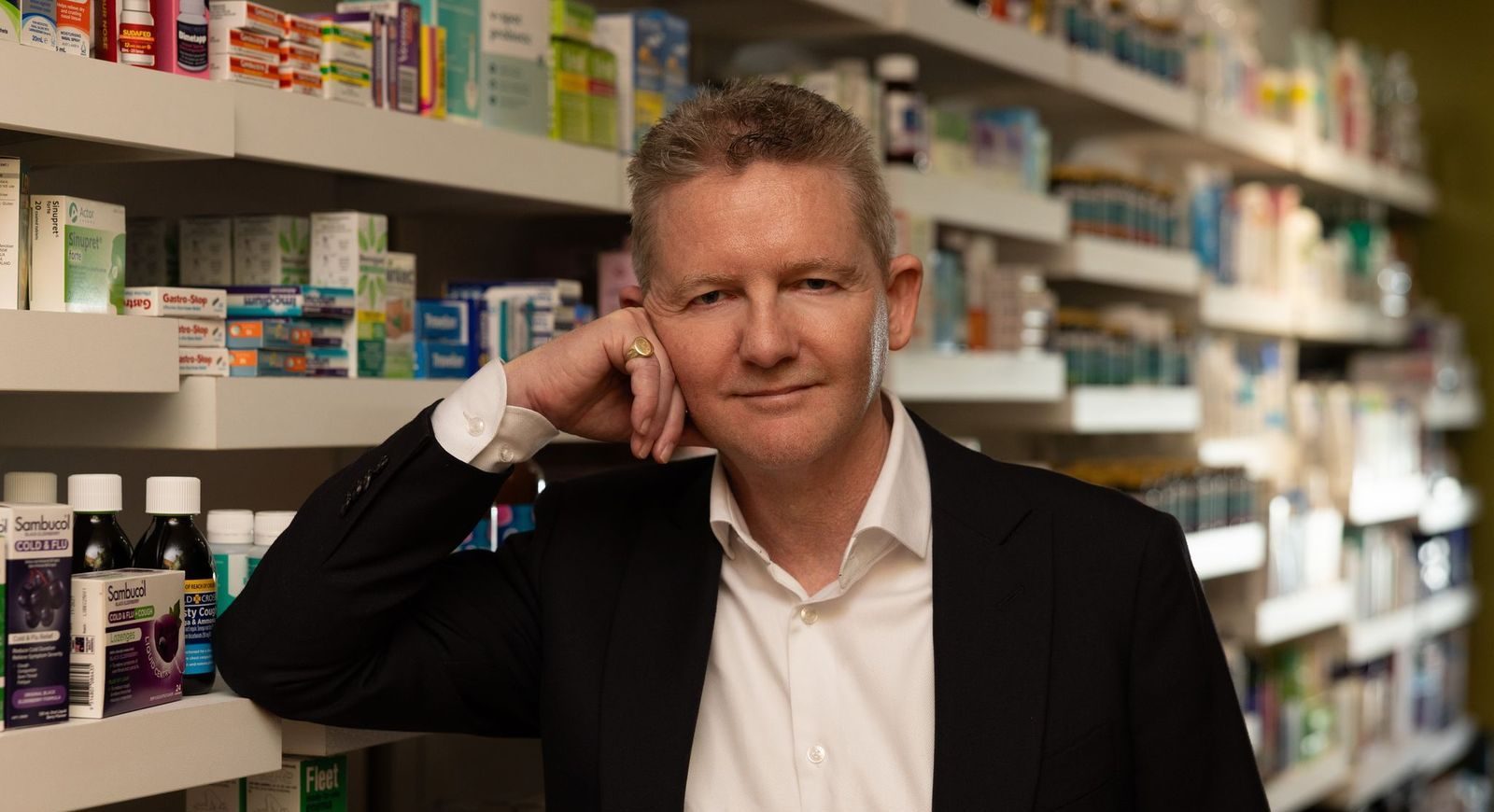

Vinomofo co-founder Justin Dry has turned an obsession with the bottle into one of Australia’s biggest online wine retailers – built on hard-to-find drops, secret deals and a refusal to sell anything he would not drink.
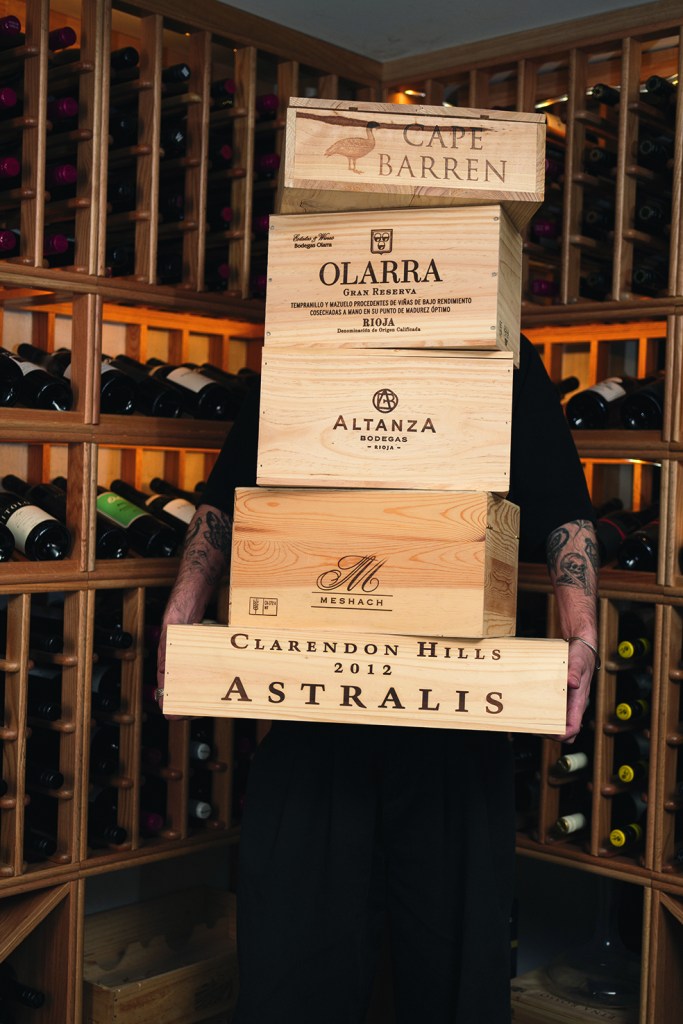
This story features in Issue 24 – out now. Tap here to secure your copy.
Every day, about 100 bottles of wine arrive at Vinomofo’s Melbourne headquarters, from top-shelf champagnes and storied European blends to punchy Australian reds and whites. Some are from renowned producers around the globe and yet most of the bottles will not make it beyond the tasting table.
“We accept roughly 5% of the wines that come in,” says CEO and co-founder of Vinomofo, Justin Dry.
“We only sell wines that we love; we are all wine lovers; we live and breathe wine.”
Vinomofo’s tasting panel consists of five core tasters, with four or five additional staff on hand to cast votes if the team is “on the fence” about a particular bottle.
The chosen few are sold as deals on the Vinomofo site, which has grown over the past 15 years into Australia’s biggest independent online wine retailer, which, according to Dry, turned over $90 million last financial year.
Hand-picked bottles
So what separates the good from the great wines – the mediocre from the mind-blowing?
“It depends on the wine,” Dry says, “Each member of the tasting panel has a very different specialty. We’ve got someone, for example, who’s more interested in small-batch or less mainstream wines and someone else who’s very good with French wine.
“Occasionally, I will get pulled in if they can’t decide, as well as whenever there’s cool-climate Chardonnay and Barolo on the table, which are my sweet spots.”
The hand-picked wines that make it onto the site range from affordable to expensive, but it’s the quality-for-the-price point that matters to Dry.
A quick scan of the Vinomofo website shows it is a broad church. At the time of writing, there is a Bouchard Père & Fils Echezeaux Grand Cru Pinot Noir 1999 retailing for $1620. A NV Champagne Brimoncourt Brut Régence Champagne has been discounted from $100 to $85. The online offers veer from quaffable $30 bottles of Barossa Shiraz to a $2899 Château Latour Bordeaux Pauillac Grand Cru 2009.
Vinomofo often buys directly from producers or through its overseas agents, allowing it to bypass middlemen and thereby offer deep discounts.
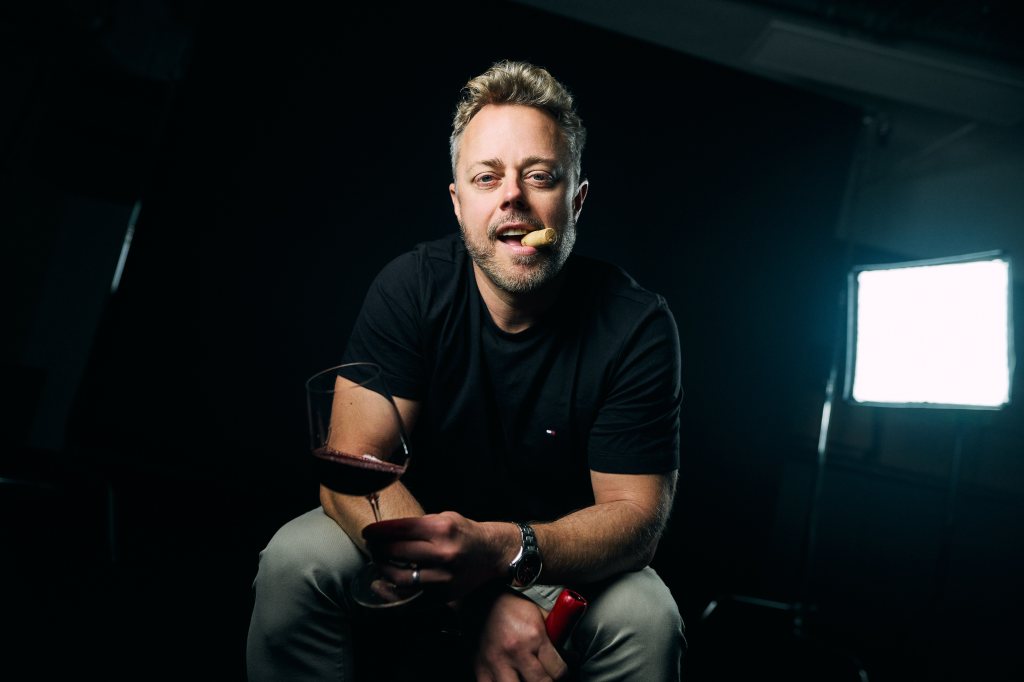
“We’ve got 15 years of data and over 100,000 active customers, so that informs our buying decisions,” says Dry.
Rather than stock a producer’s full range, Vinomofo will often take a larger quantity of one chosen wine. This narrow, high-volume model gives Vinomofo a different kind of buying power from national liquor chains.
“Early on, we realised that we were never going to compete with the big guys on a broad range because we didn’t have the scale,” says Dry.
“So, the idea was that if we could focus on the premium to super-premium end of the market (in each price point), and then be very, very selective, we would win on value.”
Stops and starts
Since Dry co-founded Vinomofo in 2011 with his brother-in-law, Andre Eikmeier (who has since stepped down from daily operations and now serves on the board), the company has gone through the usual growing pains.
“When I was 25-years old, I knew a fair bit about wine, and even I felt intimidated walking into these independent wine stores,” he says.
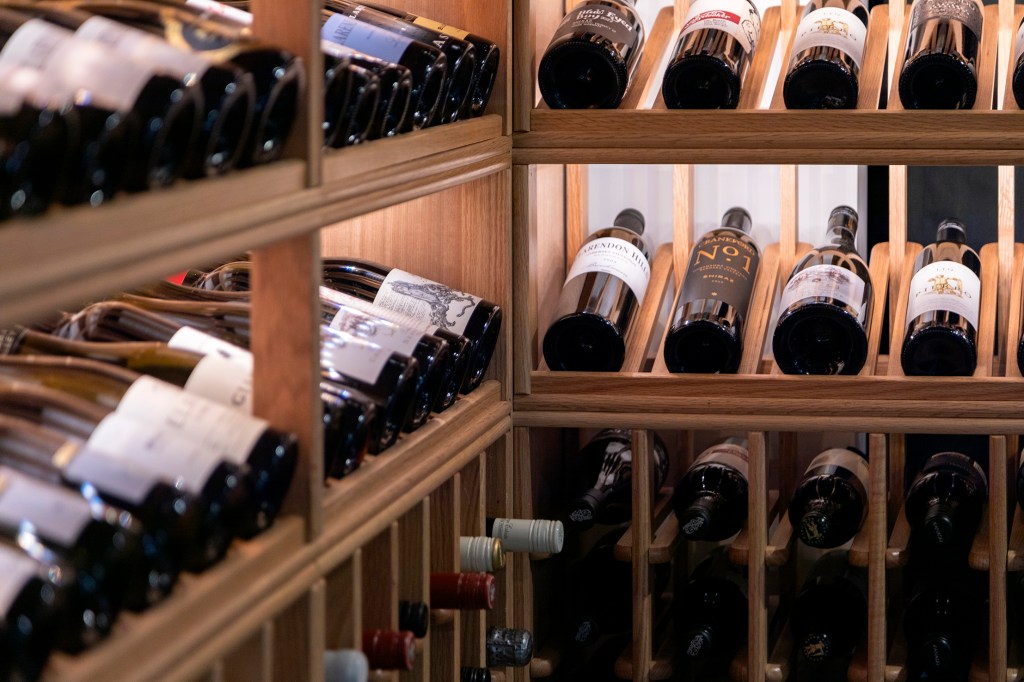
“There would be these rosy-cheeked guys in bow ties whose whole self-worth seemed to come from making you feel small about your wine knowledge. The (wine) world has changed.”
Before Vinomofo, Eikmeier and Dry had tried for years to monetise their online wine review site, Qwoff, but to no avail.
They bled cash and learned a tonne.
“Qwoff was instrumental because it built the first 30,000 people in terms of audience,” says Dry.
Once Vinomofo was born, they had a ready-made audience with the Qwoff community. Within 12 months, they were bought by the now-defunct deals site Catch of the Day, but it wasn’t an “ideal match”, and Dry and Eikmeier bought the business back from Catch.
Dry says Vinomofo’s early growth provoked pushback from larger players, with some wine producers told they could lose shelf space or supply relationships if they sold through the site.
“By trying to hurt us, they helped us… people got right into trying to discover what the wine was. Forums popped up online, and communities were built around clues and guessing the day’s deal.”
In 2021, Vinomofo began preparing for a possible IPO. Dry stepped aside as CEO, keen to return to innovation, but soon realised the Covid-era sales boom would not support the numbers required for a successful float.
“When we were finalising the budget and forecasting, I could see the Covid bump,” says Dry. “The data showed churn rates five to 10 per cent above average. I was not willing to commit to numbers that I did not think were actually possible to sell an IPO story, so we pulled out.”
The preparation coincided with weaker results for the company.
“We’d gone from making really good money to breaking even and one negative year,” says Dry. “We had added these layers of costs and processes and complexity that we probably weren’t big enough to carry.”
IPO talk and the future
Dry returned as CEO in late FY23 and “got back to profitability within a couple of months”.
Would he consider another IPO? “Never say never,” he says. “The market’s pretty funny at the moment with what’s going on around the world, with consumer confidence, with the cost of living. I’m not in a rush.”
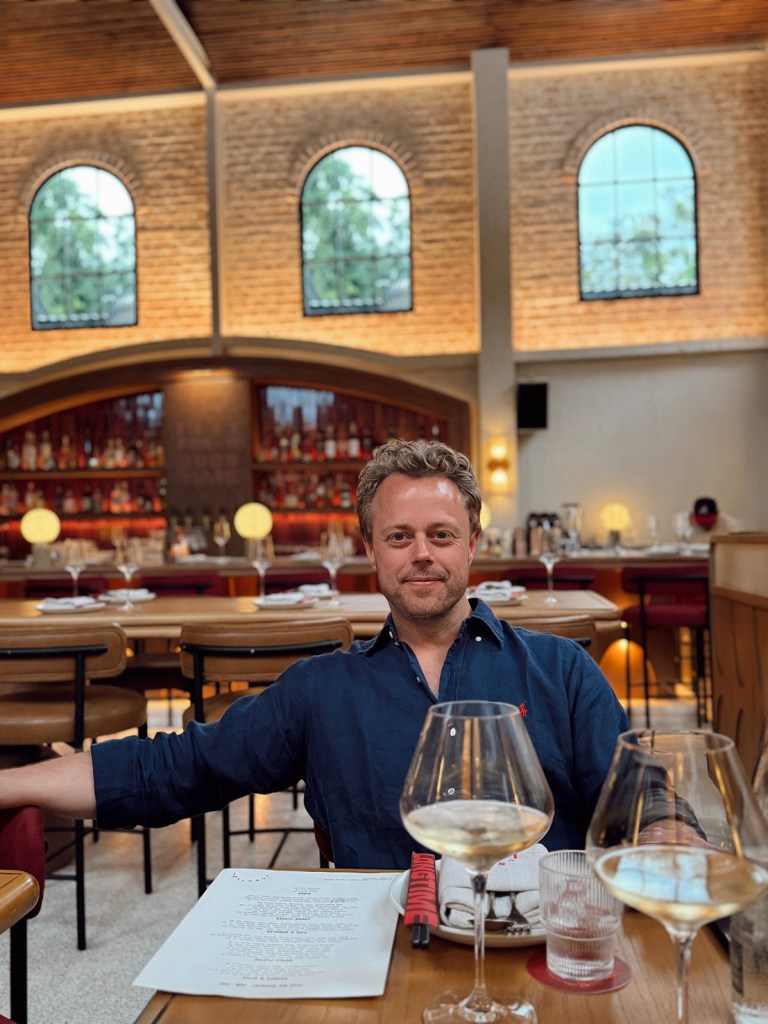
Vinomofo also sells into New Zealand and Singapore, but Dry is equally coy about expanding into territories outside of Australia, citing shipping challenges amid global instability.
“We’ve proven the model works in Australia in terms of Vinomofo, and that’s accelerating,” says Dry. “The core is so strong that now it’s more about how we optimise the core.”
Dry notes that Vinomofo has been largely immune from a trend among younger cohorts for drinking less. “Our buyers are typically 40-plus–people who really love their wine… they buy deep, they buy premium,” he says.
As their customers age, they tend to move through the price segments, buying more expensive wines as they go.
One of Dry’s financial goals was to hit $100 million in revenue, and at the current trajectory, the business will reach that milestone in FY27. EBITDA is “double-digit and accelerating”, with EBITDA growth exceeding 50% last year.
In 2024, Dry and his team started selling premium whisky under the moniker Whiskymofo.
“We see it growing to about ten times the size it is now over a pretty quick period of time. It could be another $50 million, $60 million, or even $70 million business.”
Want to see more Forbes articles on your feed? Tap here to make Forbes Australia a preferred source on Google.
Look back on the week that was with hand-picked articles from Australia and around the world. Sign up to the Forbes Australia newsletter here or become a member here.