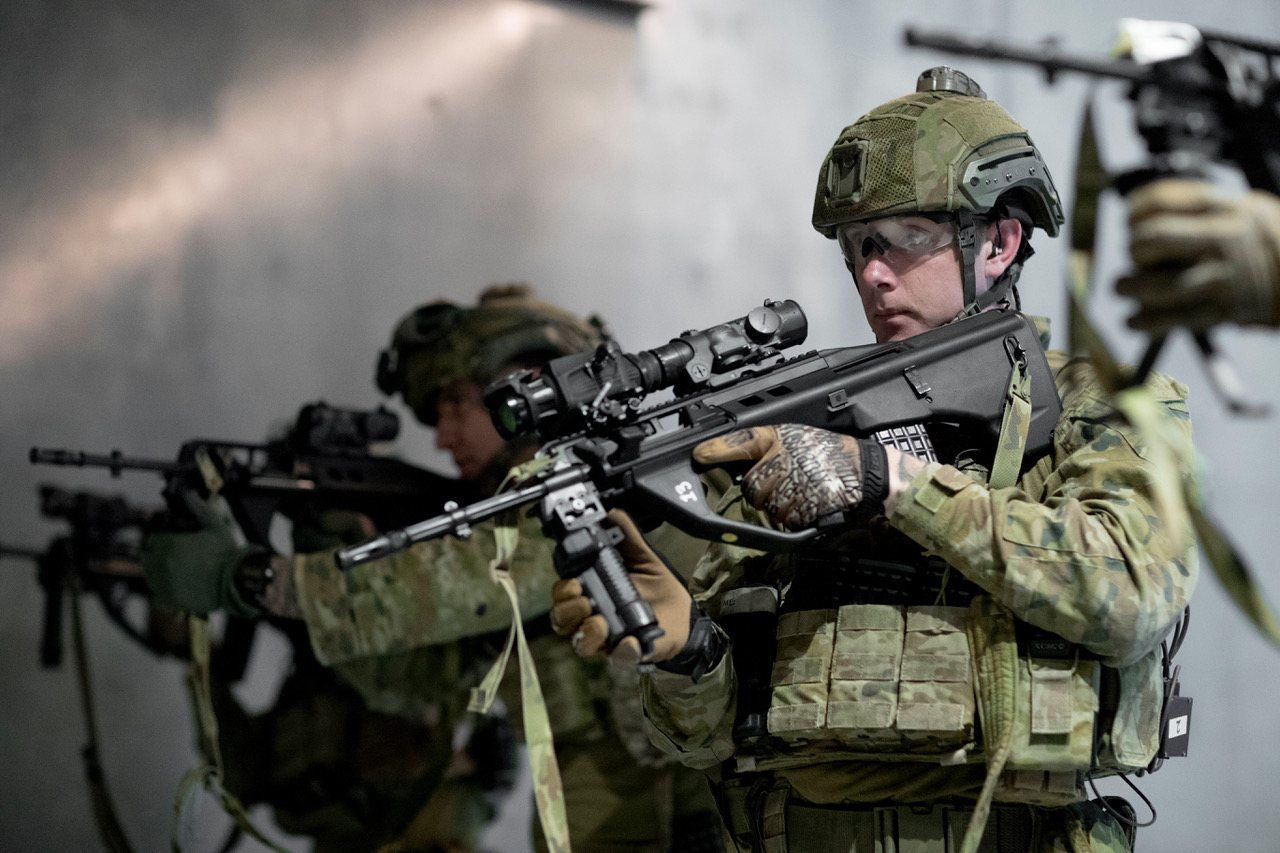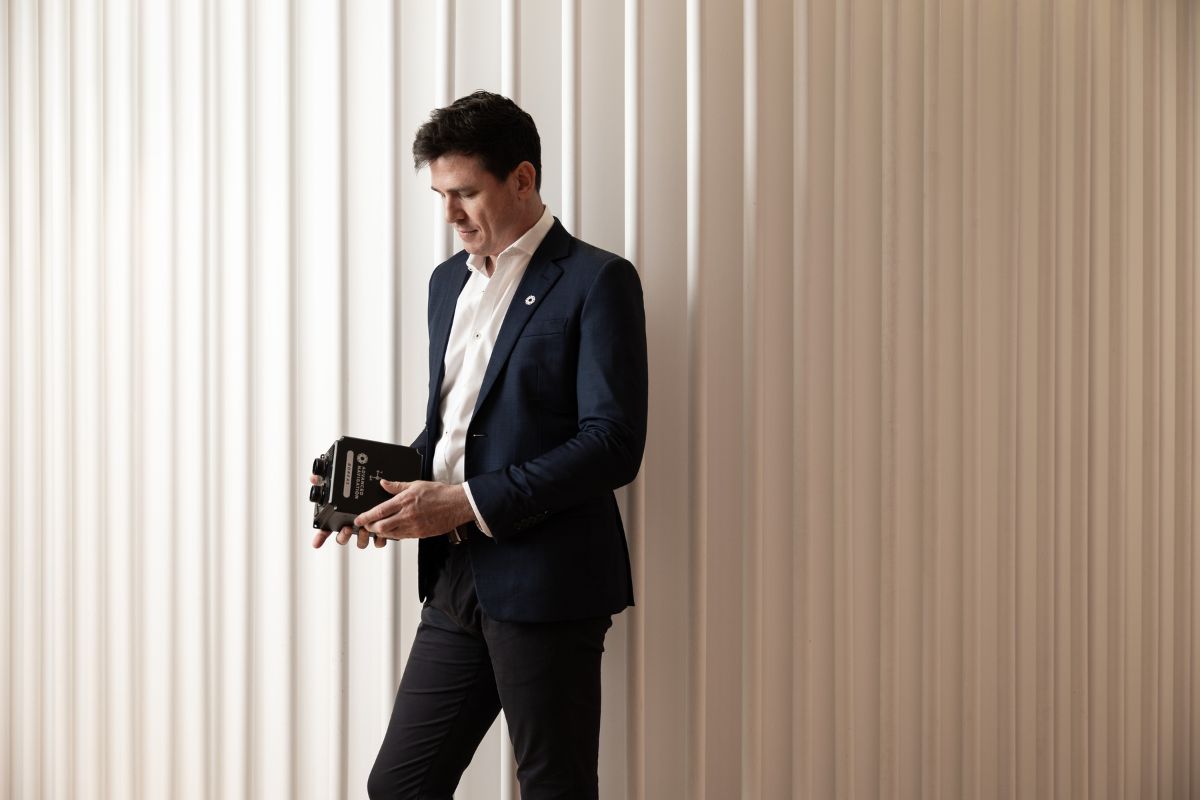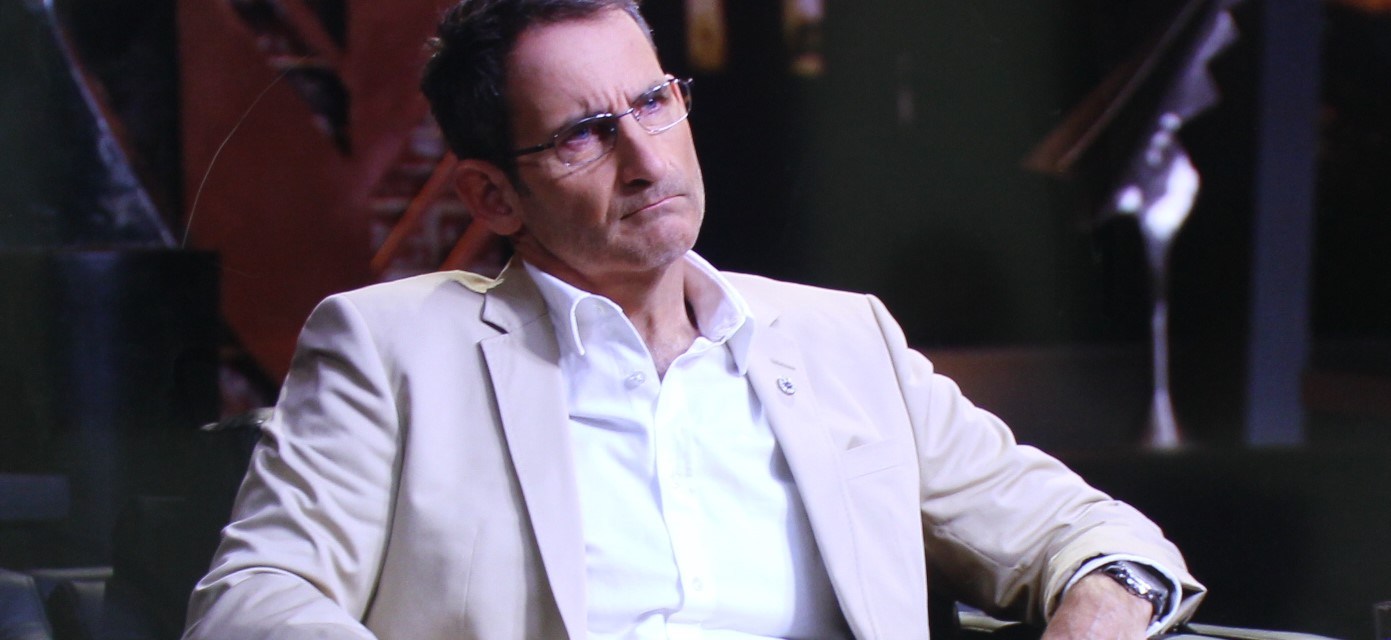

The crisis in Iran is changing how capital views defence industries – and Steve Baxter is saying “I told you so”.

Steve Baxter’s Brisbane-based defence-focused fund, Beaten Zone, had managed to raise just over $14 million since launching in August 2023, but has pulled in $2.6 million since the US and Israel launched strikes on Iran, on February 28.
Beaten Zone has reached $17 million in committed capital, buoyed by a sharp pickup in investor appetite as geopolitical tensions reset how capital views the sector – marking what the former Shark Tank shark, Baxter, describes as a turning point.
“Defence was once seen as too hard or too slow for venture capital, and in recent years ESG mandates made defence a dirty word in investor circles,” he says. “But more investors are recognising that our fund will not only generate great returns, but it will also help build key capabilities that our country will need in the coming decade to protect our way of life.”
The shift comes as Canberra prepares to deploy $500 million through its planned Advanced Capability Investment Fund (ACIF), matched by private capital. Baxter expects that wave of funding to cascade down into early-stage players – and, by extension, his portfolio.
“From an investor’s point of view, I’m talking about my own money. I’m talking about my family’s money, and I’m thinking about where can I best position that?”
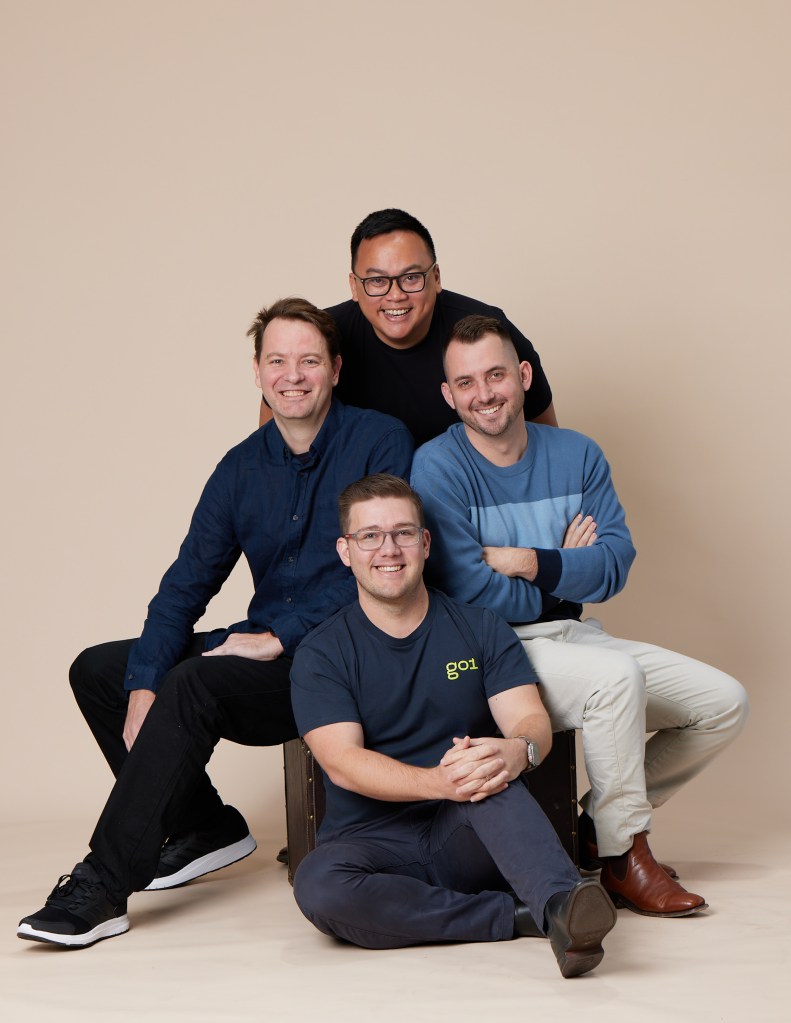
Vu Tran, Black Sky and Go1 co-founder
“Whoever wins out of that, we will be a beneficiary,” he says. “We’ve got the only real ground game in town when it comes to defence-centric startups. The more capital flowing into the sector, the better for us.”
He’s also signalling an aggressive stance to stay competitive. Rather than matching government-backed capital dollar-for-dollar, Baxter says Beaten Zone could deploy as much as five dollars for every one invested alongside it. “We need to catch their eye somehow,” he tells Forbes Australia.
Big deals brewing
The backdrop to that confidence is a cluster of still-confidential late-stage capital raises that Baxter says could reshape Australia’s defence-tech landscape.
“I know of three Australian defence businesses raising about US$370 million between them – and they’re basically getting those deals done now,” he says. “They’ll be eye-waterers.”
While Beaten Zone is too small to anchor those rounds, Baxter has spent years cultivating relationships with founders and hopes to participate where possible. “We hope there’s enough left over for us to get a drink at the end of the day,” he says.
One defence start up that Baxter would like to invest in is the Queensland missile company, Black Sky, co-founded by Go1 and OneMRI co-founder Vu Tran.
Tran is an investor in Beaten Zone, and Baxter wants to return the love and invest in Black Sky, but Tran hasn’t needed the money, yet.
“If and when we’re ready to take a cheque, Steve is the first person I’m calling,” Tran tells Forbes Australia.
The Atlassian effect
“What Steve’s seeing from investors, we’re seeing from customers,” he says. “We’ve spoken to a lot of countries in a very short period of time, all realising our earlier conversations with them were quite prescient.”
Recent conflicts have exposed the scale of supply constraints. “The US used something like US$3 billion worth of interceptors in the first 72 hours,” Tran says. “You’re not going to refill that from your first- or second-tier suppliers.”
In January, US President Donald Trump said the U.S. military budget should rise from US$900 billion to US$1.5 trillion in 2027, a move that Tran says would have profound flow-on effects.
“There aren’t going to be enough Lockheed Martins and Raytheons in this world to cater for an extra $500 billion of spend a year.”
Feeding into all that, Tran believes the impact on Australia’s ecosystem of the imminent large defence raises could have an “Atlassian-like” effect – catalysing talent, capital and ambition across the sector.

“The Australian tech community is going to look at it and go, ‘Where did this come from?’” Tran says. “It’ll put a firecracker up everyone’s backside.”
Patriotic capital
Institutions, typically working within ESG [Environmental, Social and Governance] constraints have remained cautious about backing Beaten Zone, says Baxter. The $17 million invested has come from private sources.
“It’s individuals, typically families, typically exited or wealthy entrepreneurs. They display a fair bit of patriotism … Everyone enjoys the sovereign and patriotic aspect to it. I’m very mercenary. I’m about returns. If I can just stay true to returns and do everything else, right, then we can make good decisions on capital.
“It just so happens the good decisions on returns happen to be pretty patriotic decisions, which is pretty cool. So I’ve got the order right and I’ve got the outcome right.”
He says he’s in discussions with some “mid-sized” super funds. “They’re on what they describe to be a years’-long journey to change their investment philosophy around defence,” says Baxter.
Tran says he’d like to invest more in Beaten Zone. “I’ve got a conversation to have with Steve, but if I can double down, I will.” Tran says Baxter was early on data and fibre, early in SAAS and now he’s early on defence.
“When I put my hat on as an LP [Limited Partner in venture capital] from an investor’s point of view, I’m talking about my own money. I’m talking about my family’s money, and I’m thinking about where can I best position that? Not just for an excellent return, but for something that’s important to me. And what’s really important to me is the world that my kids are going to grow up in.
“And that’s what Steve talks about in terms of the importance of some of this technology that’s being developed.”
Want to see more Forbes articles on your feed? Tap here to make Forbes Australia a preferred source on Google.
Look back on the week that was with hand-picked articles from Australia and around the world. Sign up to the Forbes Australia newsletter here or become a member here.