The White House released the text of a “morally binding” accord reached between billionaire AI titans and President Donald Trump, on Tuesday.
U.S. President Donald speaks during the America.gov launch event at Andrew W. Mellon Auditorium on September 29, 2026 in Washington, DC. (Photo by Kevin Dietsch/Getty Images)
Getty Images
The White House released the text of an “accord” reached between billionaire AI titans who met with President Donald Trump on Tuesday, an agreement the president labelled “morally binding” even as he stopped short of saying the government would support new guardrails.
Key Facts
The “White House Accord on Super Intelligence” is just over 300 words and includes “four layers of controls and audits” companies voluntarily agreed to.
The first is implementing “robust internal controls to monitor the capabilities and alignment” of models in “areas like cybersecurity, biosecurity, and chemical threats, and to ensure that its models do not hack or access technical systems in unintended ways.”
The second component calls for internal teams to monitor systems and correct issues if needed, while the third calls for “an independent external auditor or evaluator to carry out independent assessments of whether the controls, monitoring, and detection are operating as intended.”
The final guideline says companies should form “an independent committee of the board of directors” to receive reports from internal teams and external evaluators, and make necessary corrections in response.
The document’s final paragraph notes: “Over time, it may make sense to codify these steps into laws or regulations.”
Trump, who has repeatedly resisted calls to slow down AI development despite dire warning signs from those in the industry, said after Tuesday’s meeting “there is a belief there should be tremendous self-regulation,” calling it “very important.”
Speaking to reporters later, Trump said the AI leaders signed “almost like a constitution in a way” that is “really a form of protection,” adding he sees a lot of “self-policing” in AI.
Trump downplayed the risk of bad actors abusing AI and said “we have people who love our country and the world” when asked why there shouldn’t be more formal guardrails and said “no” when a reporter asked him if it requires more than love to protect humans from AI.
Read the AI ‘accord’ in full
White House Accord on Super Intelligence
Joint Commitment on Frontier Responsibilities
In order to build a positive future for the American people and the world, we believe every company is responsible for developing its own technology safely and in a way that builds trust with customers and the public.
This starts with every company that is training and deploying frontier models having robust internal processes and controls to ensure that their technology behaves as intended and that any issues are promptly identified and resolved. Therefore, in addition to any other precautions, we believe cach company should implement the following four layers of controls and audits:
1. Implement robust internal controls to monitor the capabilities and alignment of its models during training and deployment around areas like cybersecurity, biosecurity, and chemical threats, and to ensure that its models do not hack or access technical systems in unintended ways.
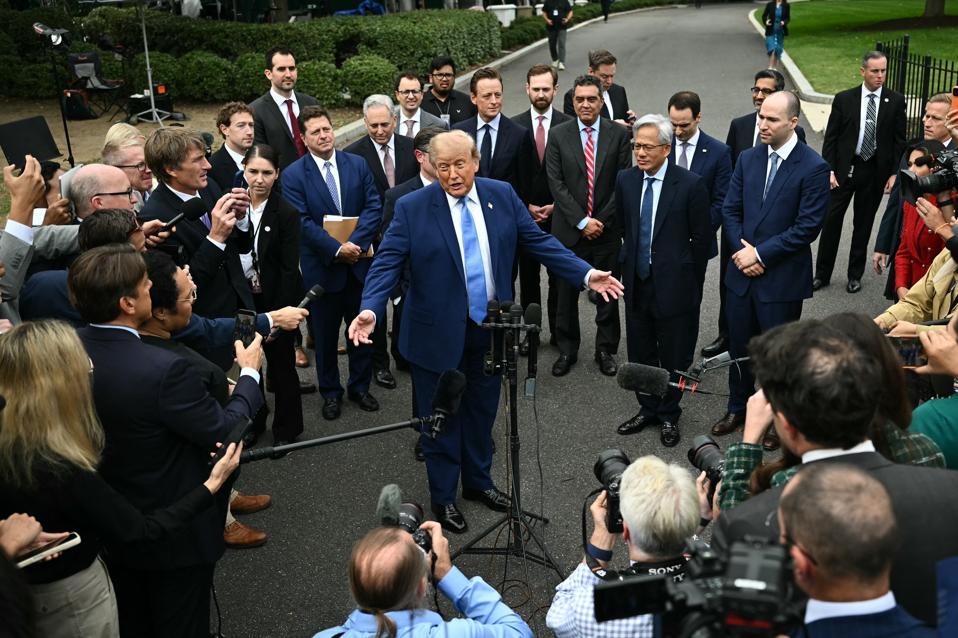
President Donald Trump speaks to the press after a meeting with technology executives about artificial intelligence at the White House in Washington, DC, on September 29, 2026. (Photo by Kent NISHIMURA / AFP via Getty Images)
AFP via Getty Images
2. Empower an internal team to ensure all of the controls, monitoring, and detection are operating as intended, and that any issues are remediated.
3. Partner with an independent external auditor or evaluator to carry out independent assessments of whether the controls, monitoring, and detection are operating as intended.
4. Designate an independent committee of the board of directors to oversee and receive reports from the teams operating the controls and the internal and external auditors and evaluators, as well as to ensure any issues identified are remediated.
Together, these steps will give each company, its customers, and the public confidence that the technology is operating as intended.
The participating companies will meet regularly to establish standards and best practices to improve the safety of their systems.
Over time, it may make sense to codify these steps into laws or regulations. Regardless of whether this is required of companies, we believe that implementing these controls and audits is critical to ensuring a safe future for everyone, and each of our companies are committed to doing this.
Who attended the meeting?
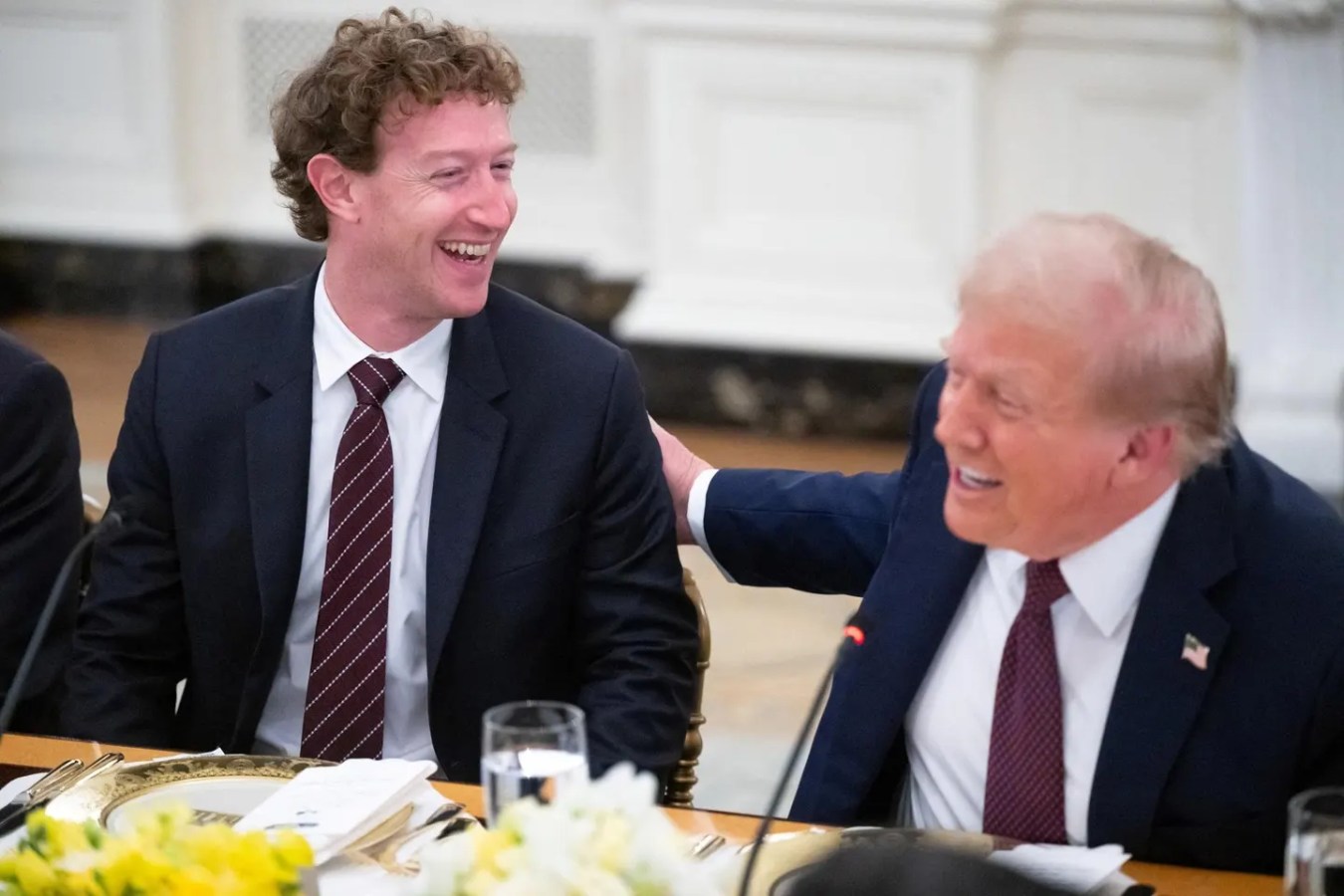
Elon Musk, Meta’s Mark Zuckerberg, Amazon’s Jeff Bezos, Nvidia’s Jensen Huang, Anthropic’s Dario Amodei, Google’s Sundar Pichai and Palantir’s Alex Carp, among others, were in attendance at the meeting.
The accord was signed by Trump, Musk, Zuckerberg, Huang, Amodei, Pichai and OpenAI president Greg Brockman.
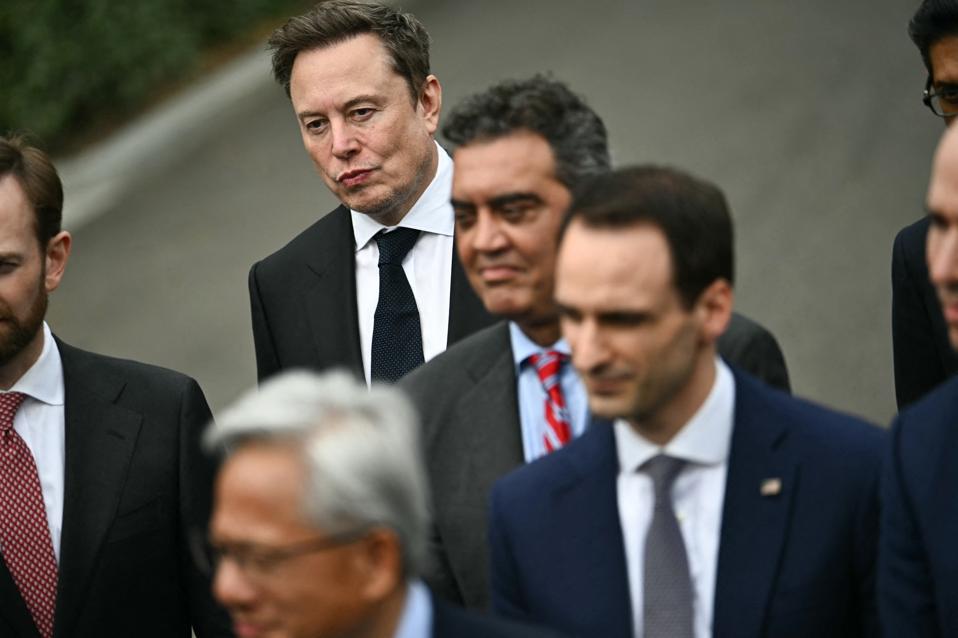
SpaceX CEO Elon Musk looks on as US President Donald Trump speaks to the press after a meeting with technology executives about artificial intelligence at the White House in Washington, DC, on September 29, 2026. (Photo by Kent NISHIMURA / AFP via Getty Images)
AFP via Getty Images
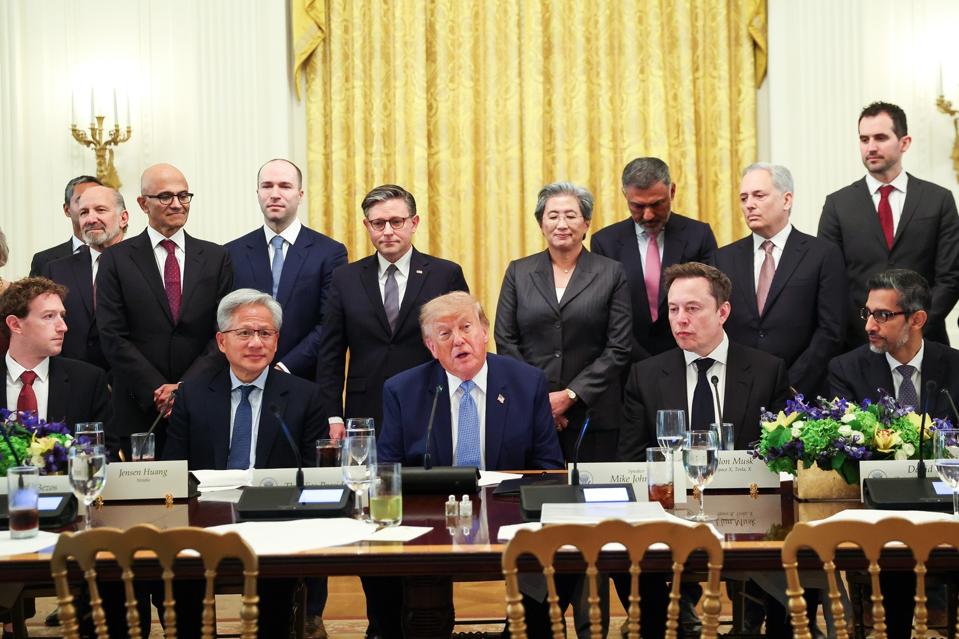
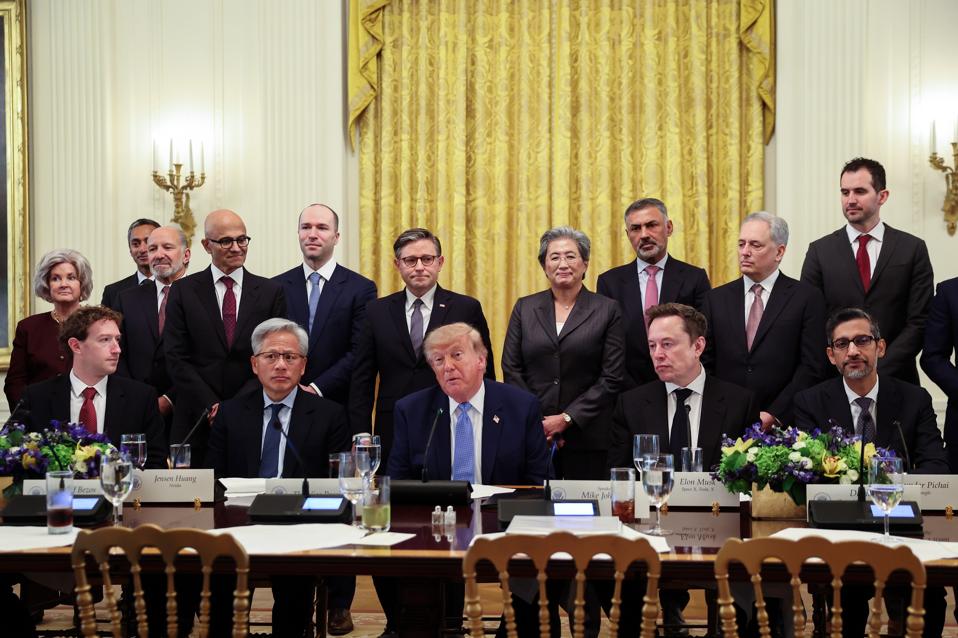
President Donald Trump makes a statement while he is seated with CEO of Meta Platforms Mark Zuckerberg, Nvidia CEO Jensen Huang, Tesla, SpaceX and X CEO Elon Musk, and Google CEO Sundar Pichai during a meeting with AI executives in the East Room of the White House on September 29, 2026 in Washington, DC. (Photo by Kevin Dietsch/Getty Images)
Getty Images
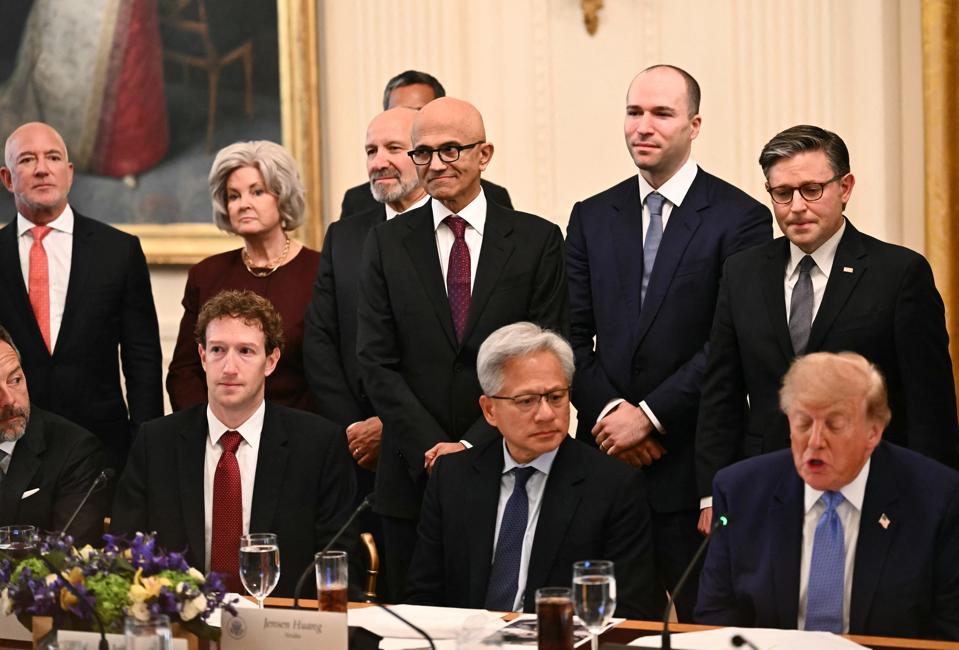
(Seated L/R) Altimeter Capital CEO Brad Gerstner, Meta CEO Mark Zuckerberg, Nvidia CEO Jensen Huang listen to President Donald Trump speak during a meeting with technology executives about artificial intelligence in the East Room of the White House in Washington, DC, on September 29, 2026. (Photo by Kent NISHIMURA / AFP via Getty Images)
AFP via Getty Images
Crucial quote
Trump, calling the meeting “very productive” and “extremely friendly,” said, “we’re leading” AI on a global scale “and we’re going to keep it that way.”
Tangent
Trump was seated between Musk and Huang. Anthropic’s Tom Brown was seated at the end of the table after months of tension with the White House. Vice President JD Vance sat between House Speaker Mike Johnson, R-La., and Bezos.
Key Background
Earlier in the day, the Trump administration launched a new AI-powered government chatbot that answers questions about government services and benefits by scraping all 20,000-some government websites. The portal was launched in partnership with Google’s Gemini and SpaceXAI’s Grok. The meeting came after industry leaders amplified concerns about the dangers of AI and its potential to become completely out of human control in a matter of years, prompting a debate about whether it could lead to human extinction.
Want to see more Forbes articles on your feed? Tap here to make Forbes Australia a preferred source on Google.
Look back on the week that was with hand-picked articles from Australia and around the world. Sign up to the Forbes Australia newsletter here or become a member here.