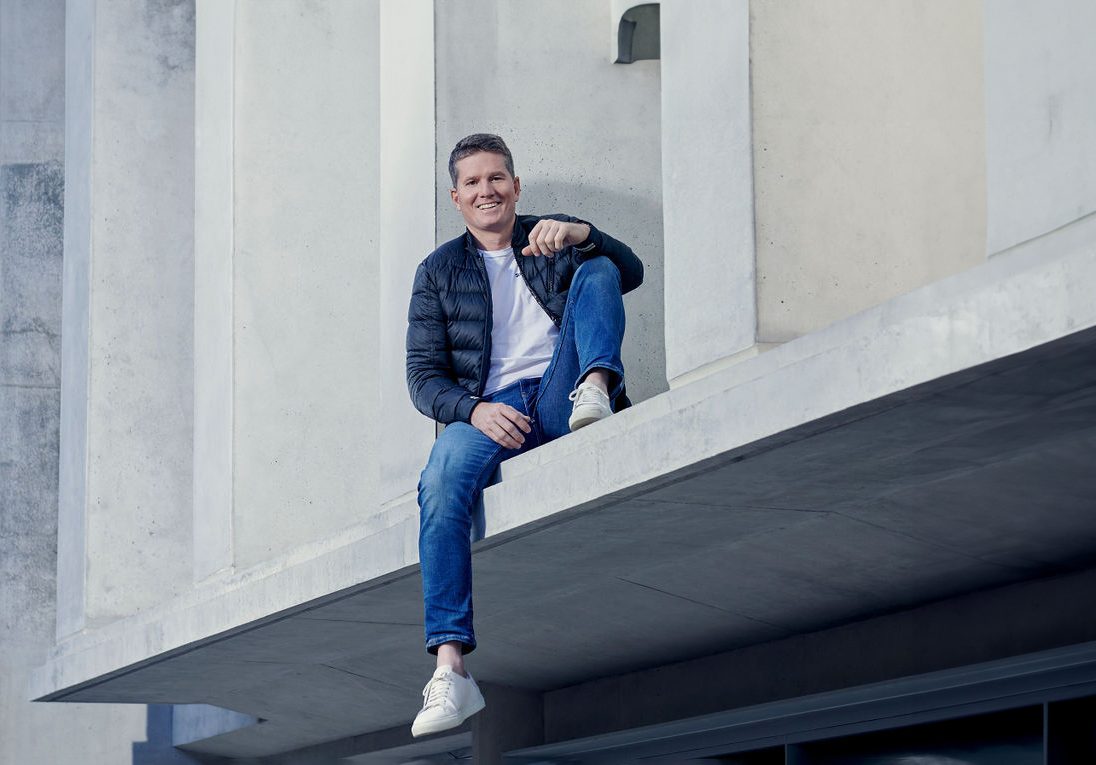
Luke Anear has wanted to change the name of the company he founded for years. Now SafetyCulture has become Mitti as the $2.5 billion startup reshapes itself for the AI era.
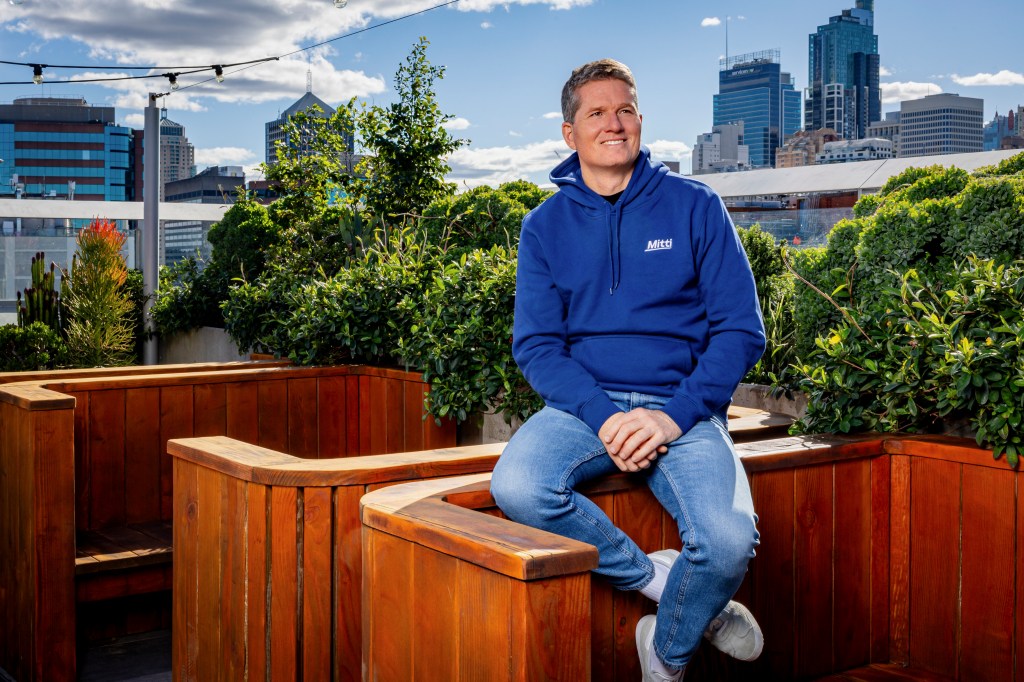
Australian unicorn SafetyCulture has rebranded to Mitti, a move which founder Luke Anear says reflects the startup outgrowing its origins as a digital checklist for workers on construction sites.
Though SafetyCulture, now Mitti, still very much has its base in work sites and manufacturing plants, Anear says it’s also used in hotels, restaurants and cruise ships, with products evolved from checklists to computer vision and a growing insurance offering.
“We were pigeonholed hard in safety and made the decision last year to to change the name,” Anear said. “We’re hearing from customers [saying] ‘thank goodness you’ve changed your name, we can now roll this out across the whole company instead of just the safety team.'”
Anear actually first flirted with changing SafetyCulture’s name in 2019, bringing in a consulting agency that recommended the name Altik – which ultimately didn’t stick. A year later SafetyCulture formed a joint insurance venture with QBE called Mitti, which in various South Asian languages means soil.
The startup bought QBE out of its half in 2023, offering the product as SafetyCulture Care since then. Just like Facebook rebranded to Meta to signal its seriousness about the metaverse, SafetyCulture’s change to Mitti emphasises the growing importance of insurance to the startup’s future.
Anear says the insurance business has written $70 million in gross insurance premiums this year. He expects it to eventually make up “at least 30 per cent” of Mitti’s business, and said the company will take on some of the risk to do so.
“In the past we’ve been underwritten by Allianz. As of last month we’re operating in the U.S. and we’ll underwrite some of that business ourselves over time,” he said, meaning it will collect more of the premiums it writes – but also have more exposure to paid-out claims.
The company reported a $49 million loss on $197 million in revenue for the 2025 financial year as it targeted growth with big spending on marketing and staffing expenses. Anear says Mitti’s earnings for the current financial year will look very different.
“We’ll be profitable by September this year,” Anear said. “I think it was a natural progression for us to move to a point where we’re profitable…. it’s a good time for us to be able to operate under our own steam.”
Short of an irresistible M&A opportunity, Anear says the company won’t need to raise capital again.
Future vision
Mitti’s core software offering has evolved beyond a digital checklist. Its products have been used by customers to train retail staff, monitor food temperature within fridges, and maintain analytics on business assets like trucks and forklifts.
The company is now taking a big swing at what it calls computer vision. Using cameras fitted either on workers or in workspaces, Mitti’s computer vision uses AI to monitor for worker error and environmental risks.
Mitti is investing “millions” in infrastructure to build out its AI products, Anear said.
“We’ve never managed our own infrastructure before, it was always through cloud service providers, and now we’re actually building our own infrastructure and training AI models,” he said. “It’s new technical work, great new technical challenges for our teams. We’re hiring hardware engineers and people that perhaps we didn’t have to hire before.”
Anear returned to Mitti as CEO in February after retiring from the top job in January of 2025. Anear had designs of serving as executive chairman while Blackstone alum Kelly Vohs expanded the business from New York. That plan was scotched after it was decided the pace AI was setting for the industry meant a US executive could not lead a Sydney-based engineering team.
SafetyCulture has spent 22 years breaking into markets beyond construction sites. Anear says AI will allow Mitti to penetrate those markets more deeply, and more thoroughly service its customers.
“We have already been in nearly all markets, but the line we went up to in terms of how deep a problem we solved for any one company has now moved much deeper into the business,” he said. “It’s the roadmap I’ve had for over 10 years, [it’s] just felt like we were always slow to be able to build features for our customers. Now we’re finally able to build them much quicker.”
Want to see more Forbes articles on your feed? Tap here to make Forbes Australia a preferred source on Google.
Look back on the week that was with hand-picked articles from Australia and around the world. Sign up to the Forbes Australia newsletter here or become a member here.