More EVs have been sold so far this year than in the entirety of 2025. With cheaper models entering the market and charging networks expanding, petrol and diesel dominance is under the pump.
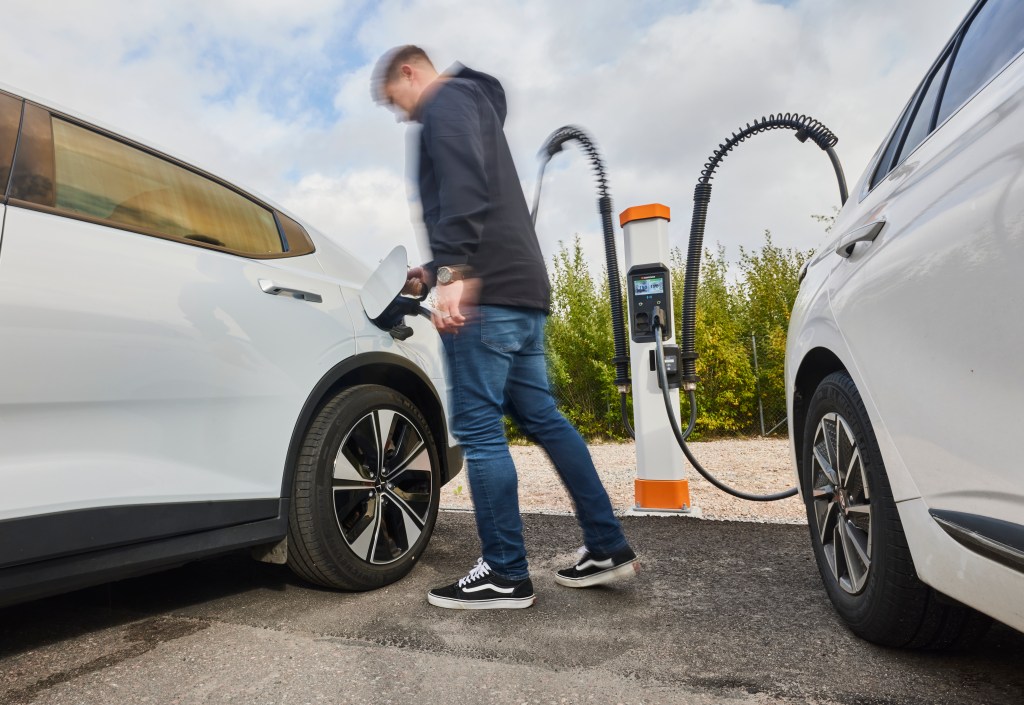
Grabbing your daily essentials at Coles Camberwell in Melbourne’s eastern suburbs now comes with an additional jolt of efficiency. In the 20 minutes it takes you to zip through the supermarket aisles to pick out your fruit and veg, new 200 kW super fast EV chargers can power up your vehicle.
It’s a scene that will soon be rolling out to Coles supermarkets across the country, tapping into a transition that has officially crossed the petroleum-fueled threshold of yesteryear.
This Kempower retail charging push comes on the heels of landmark VFACTS and Electric Vehicle Council figures released this month, which revealed an EV market moving at breakneck speed.
Battery electric vehicles – or fully electric cars powered by onboard battery packs rather than internal combustion engines – captured an enormous 23.4 per cent of all new car sales in June. That milestone caps off a record-breaking six months in which Australians purchased more than 100,000 BEVs, more than the entire amount sold last year.
At the top of the auto sales leaderboard for both May and June this year is the Tesla Model Y, clocking up more than 13,000 units delivered across both months. It is a milestone for the Elon Musk-owned brand, which overtook the Ford Ranger and Toyota HiLux in monthly sales.
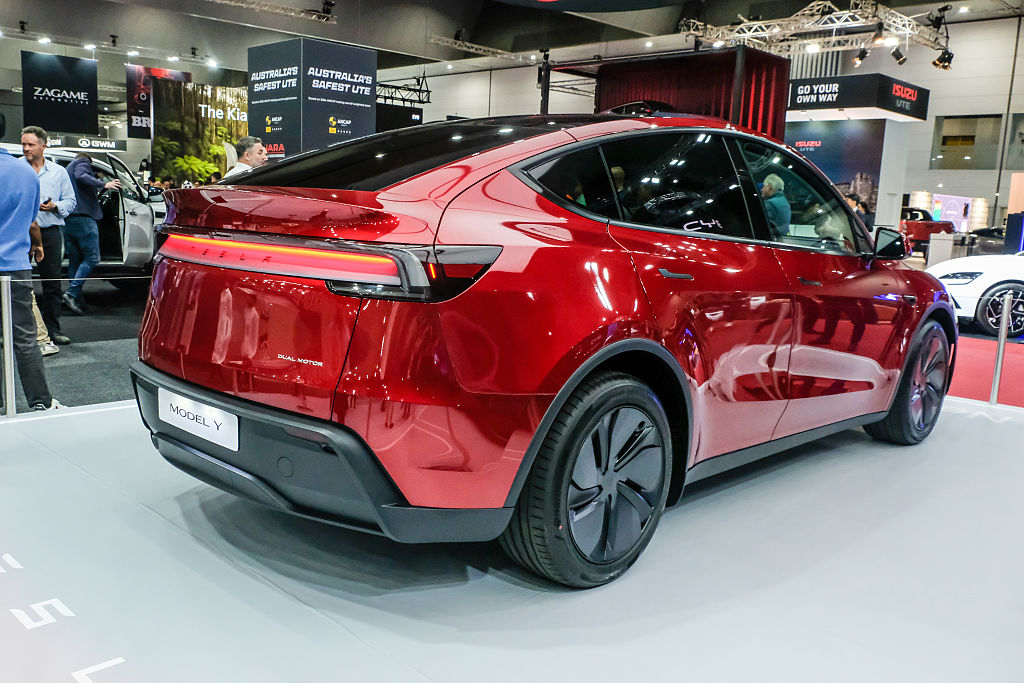
Despite the Model Y’s dominance, data from VFacts reveals that Chinese competitor BYD is now Australia’s most popular EV brand, thanks to the numerous models it currently has on the market.
The May and June sales figures are being applauded not only by EV manufacturers, but also by Energy Minister Chris Bowen.
“In the last month, EV sales are absolutely exploding, as Australians make the choice to buy cheaper, cleaner, better cars.”
Chris Bowen
The news comes amid tightened New Vehicle Efficiency Standards (NVES) rules that came into play in January of this year, requiring auto brands to pay the government if the cars they sell exceed efficiency ceilings. “We are requiring car manufacturers, now as a matter of law, to send [zero-emission vehicles] to Australia,” says Bowen.
The economic pressure driving the switch
This shift away from cars refuelled by petrol and diesel is intertwined with broader geopolitical shocks and cost-of-living pressures. Global supply chain disruptions and the Iran War have heavily impacted fuel markets, driving volatility at the pump.
To cushion households against extreme price spikes, the Federal Government implemented temporary fuel excise relief, which it extended until August 2. Still, motorists are aware that without government intervention, they would be charged 16 cents more per litre and are looking to insulate themselves from future cost-of-living spikes.
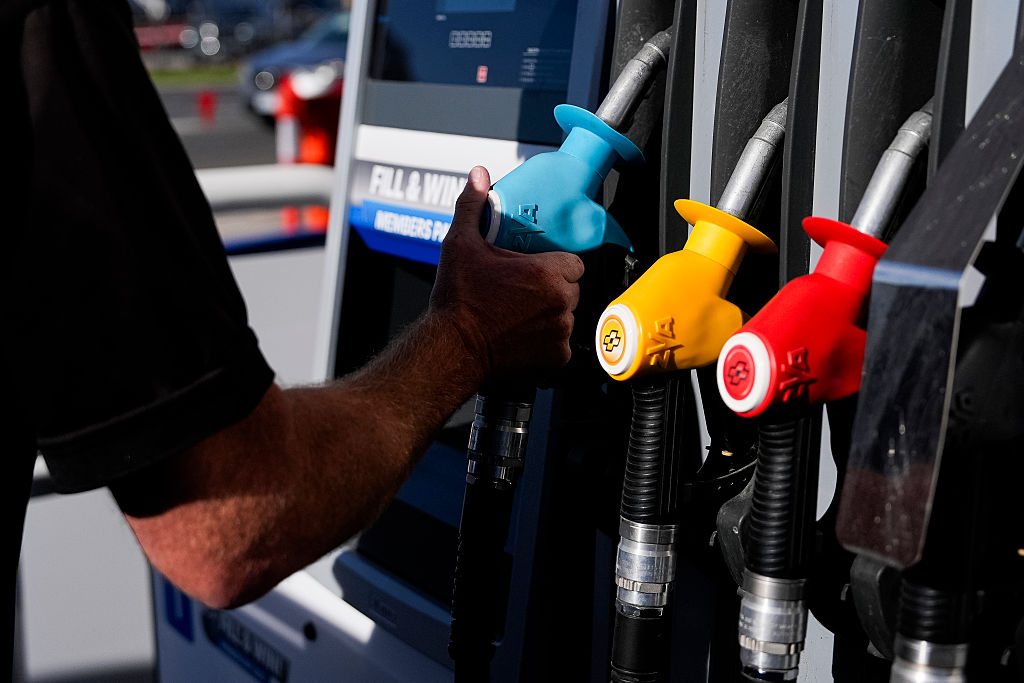
Historical data paints a transitioning picture of the vehicles on Australian roads. Just five years ago, the Australian Bureau of Statistics disclosed that there were 22 million registered vehicles, and 26 per cent were fuelled by diesel. A whopping 72 per cent run on petrol.
While the current number of registered autos is not known, it is safe to assume that despite the influx of new electric and hybrid models in the market, the majority of cars in our nation still operate on fossil fuels.
Building new vehicle-to-grid technology
The surge in EV sales, however, is intensifying debate over the charging infrastructure that Australia will need to support millions of electric cars.
Programs led by energy providers like Origin Energy, manufacturers like BYD, charging hardware developers like StarCharge, and infrastructure pioneers like Port Melbourne-based JET Charge are paving the way for Vehicle-to-Grid (V2G) tech.
Together, they are deploying two-way chargers and smart software that turn electric cars into giant home batteries. This allows drivers to charge their cars using cheap power, and then send excess energy back into the grid when demand is high.
“Electric vehicles are no longer just cars that get you from A to B,” says Electric Vehicle Council CEO Julie Delvecchio. “The energy system of the future won’t just be built around big coal and gas generators supplying energy via transmission lines. People will be increasingly at the centre of the energy system by driving EVs, which are big batteries on wheels.”
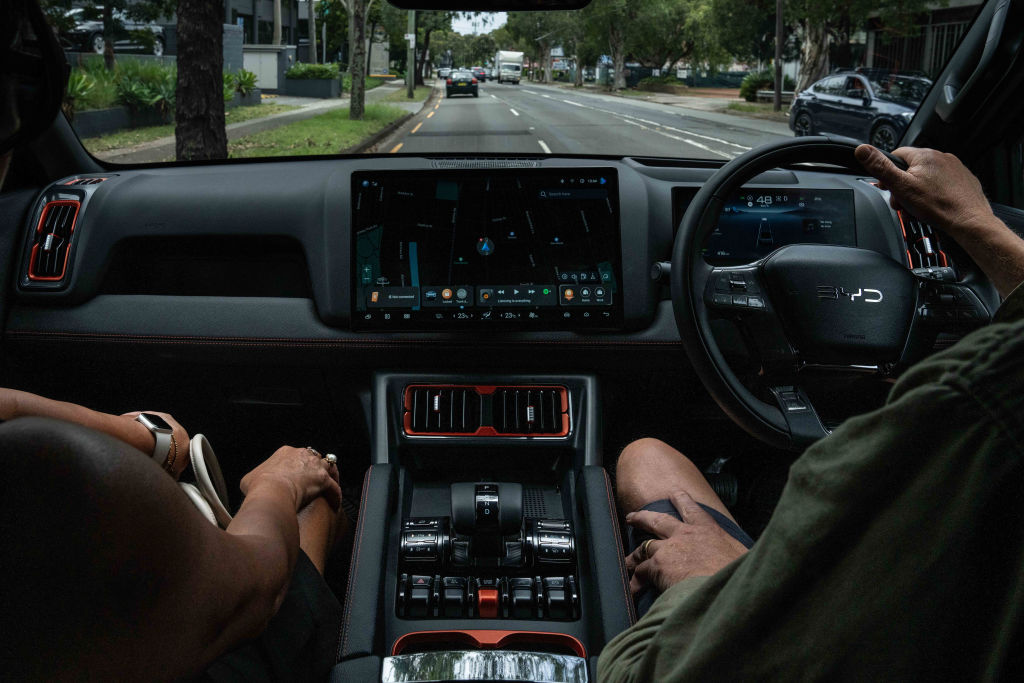
South Australia is the domestic leader in V2G, as the only state where everyday homeowners can install a two-way system outside of a trial. In Victoria, New South Wales, and Queensland, V2G is locked behind closed corporate pilots and consumer trials run by providers like Amber Electric and Origin.
A key piece of the rollout puzzle is having vehicles that can feed back into the grid. The Nissan Leaf pioneered this technology locally, and is approved for use alongside modern models like the BYD Atto 3, BYD Seal, and the Mitsubishi Outlander PHEV.
On the global stage, Europe and Asia are leading the sector. The Netherlands launched the world’s first city-wide network of shared cars that pump power directly back into the local electricity grid in Utrecht. France and the United Kingdom have cleared the regulatory hurdles to offer drivers an option to wipe out their home electricity bills by exporting power during peak evening hours.
Meanwhile, China has integrated massive vehicle fleets into state-controlled power plants, and Japan uses V2G technology as an emergency backup energy supply during natural disasters.
Here in Australia, motorists are re-evaluating their running costs and the vehicles they are choosing to buy. EVs facilitate a fraction of the per-kilometre cost of petrol, and with a wider array of affordable models now flooding the market, alongside an expanding list of locations to get an electric top-up, petroleum and diesel dominance is under the pump.
Want to see more Forbes articles on your feed? Tap here to make Forbes Australia a preferred source on Google.
Look back on the week that was with hand-picked articles from Australia and around the world. Sign up to the Forbes Australia newsletter here or become a member here.