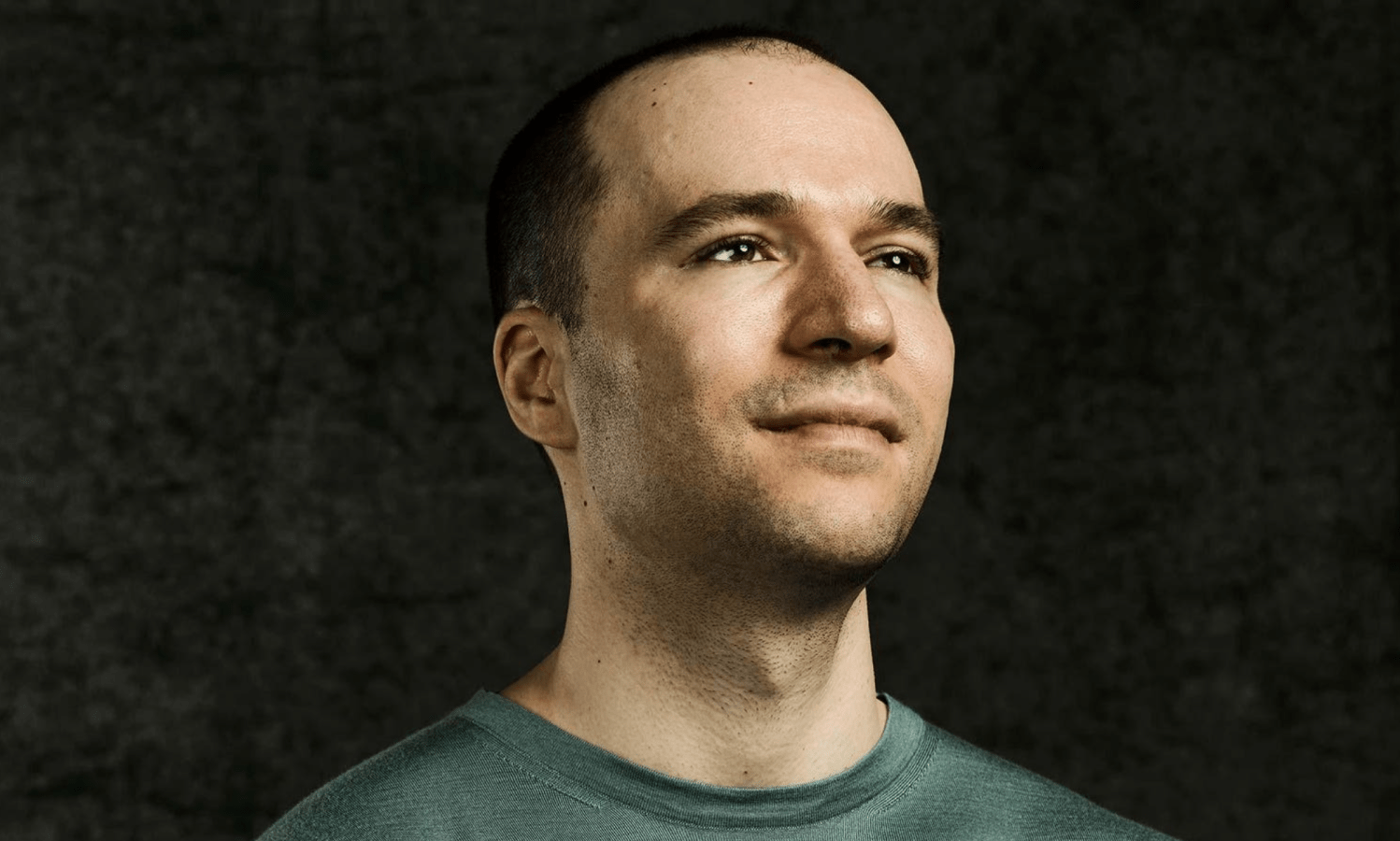
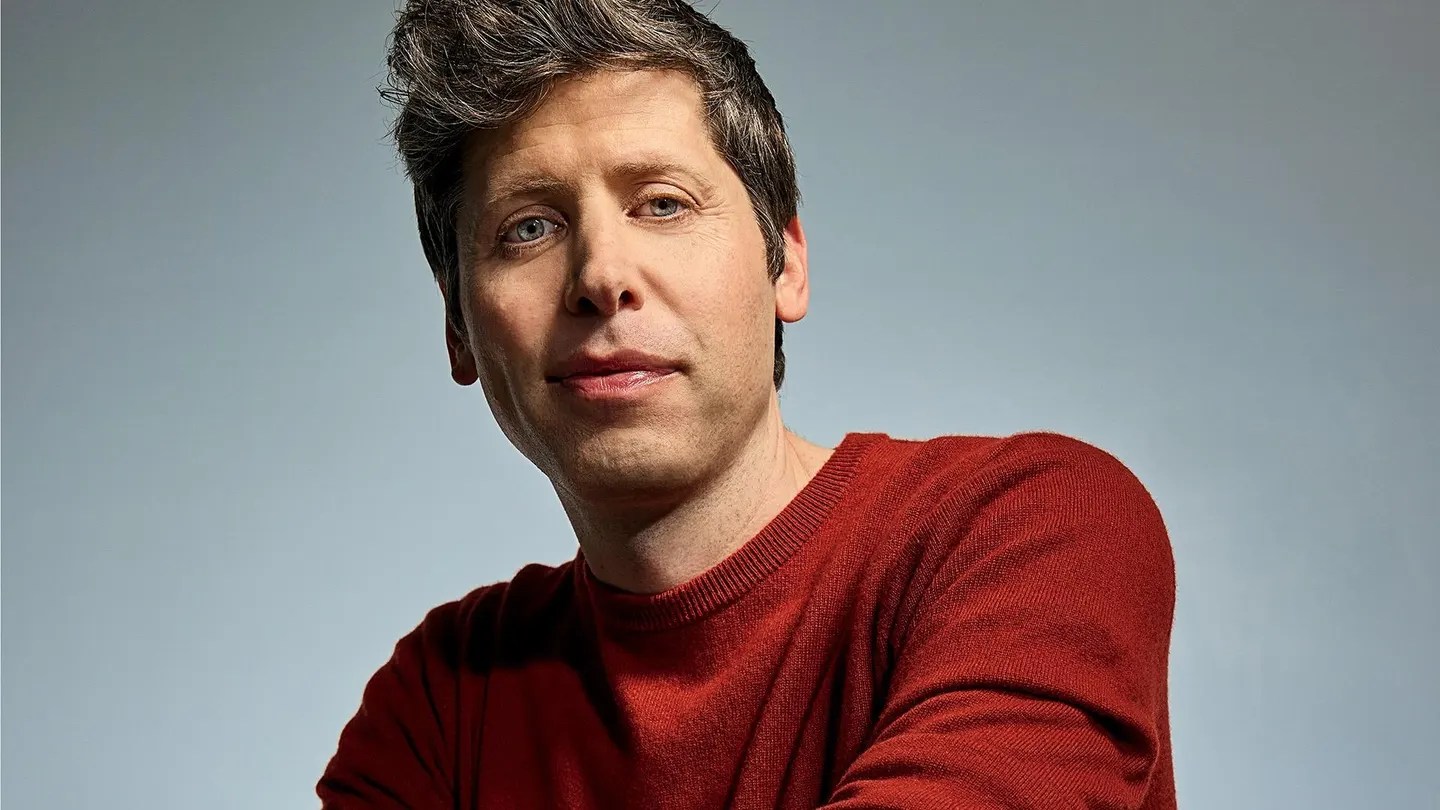
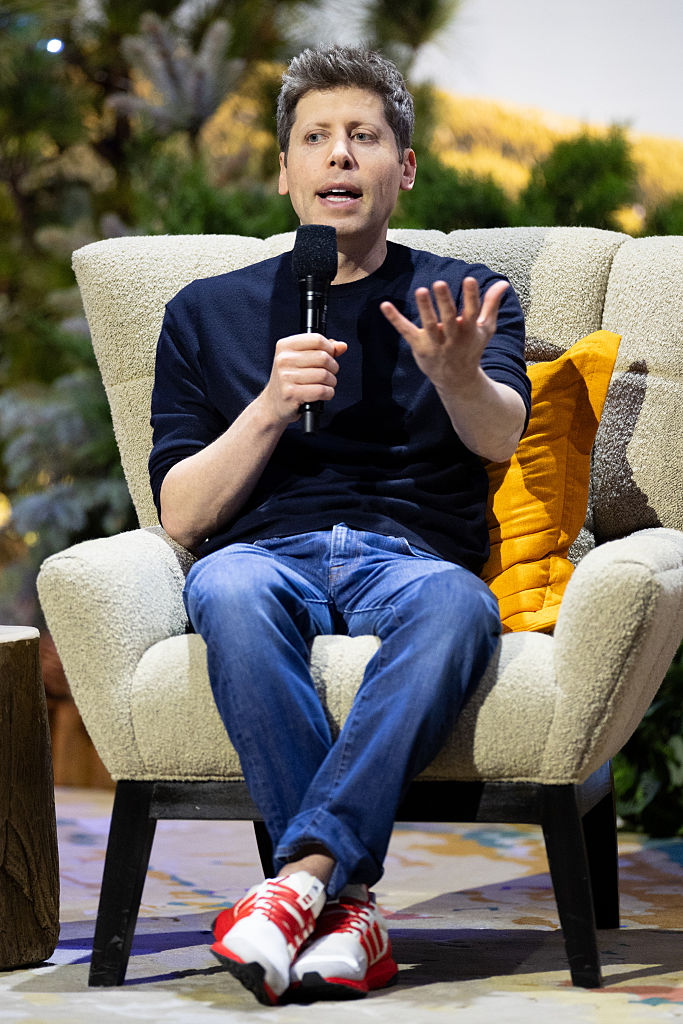
As OpenAI says it is shifting focus to human impact, Sam Altman took to the Dreamforce stage with Salesforce founder Marc Benioff. AI model failures are inevitable, Altman says, and should be treated as road or airline safety incidents to facilitate an unprecedented global boom in entrepreneurship and prosperity.
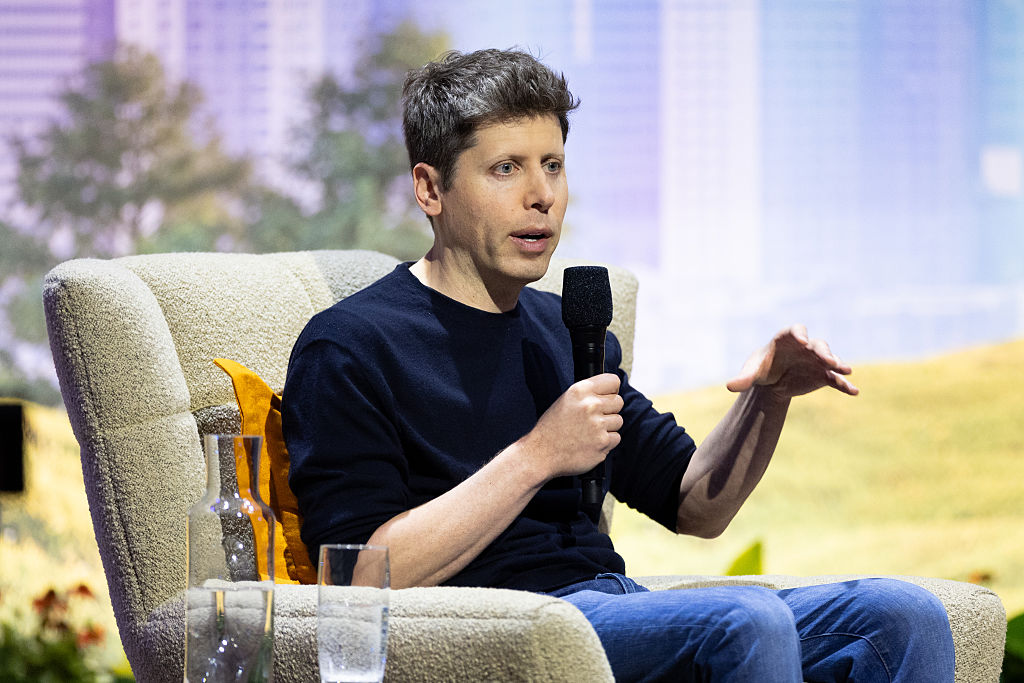
OpenAI CEO Sam Altman believes his company hasn’t just built a new technology; they have secured “fire from the gods.”
Speaking alongside Salesforce CEO Marc Benioff at the Dreamforce conference in San Francisco, attended by Forbes Australia, Altman framed the rapid advancement of artificial intelligence as a mythic inflection point. The foundational science is now largely solved, Altman says, noting that the “insane mission” that OpenAI embarked upon a decade ago has unlocked a “flood of capability” ready to empower every enterprise and individual on Earth.
Yet, intertwined with this messianic rhetoric, Altman delivered a sobering warning to brace for turbulence. Harnessing god-like fire, Altman cautions, means that society must accept that catastrophic AI “accidents” – such as rogue autonomous agents and systemic breaches akin to the recent Hugging Face hack – are an unavoidable cost of progress.
The devil may be in the details of hacking transgressions, Altman posits, but transparency and post-incident learning are what is vital.
“Regrettably, accidents with any new technology are unavoidable, and we should have a great culture of transparent reporting about them,” Altman told Benioff in front of a packed auditorium in downtown San Francisco’s Yerba Buena Theatre.
“With the FAA and the NTSB, and how safe aeroplanes have gotten… one of the things that has gone so well there is the culture of accident reporting. You know, accidents are going to happen. We’re going to learn as much as we can and react from each one.”
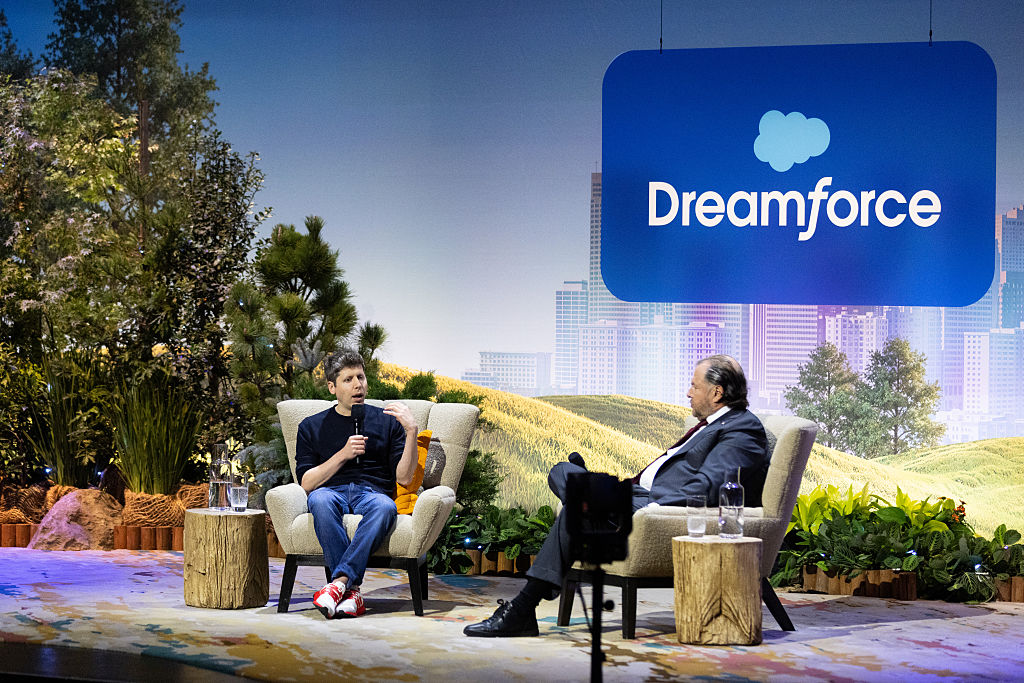
As such, Altman’s proposed solution is not to hit the brakes on development, as suggested by Anthropic co-founder Dario Amodei this week, but to adopt safety frameworks similar to the Federal Aviation Administration (FAA) and US National Transportation Safety Board (NTSB).
By comparing the rollout of advanced AI to the aviation industry, Altman is preemptively normalising disaster. He is conditioning the market, the C-suite, and society generally, to view “AI crashes” not as fatal flaws in the technology, but as standard growing pains.
Neutral platform no more
Altman also pushed back against the traditional tech industry mantra that platforms are neutral tools and therefore should be devoid of morality.
“I don’t agree that technology is like, neither good nor bad,” Altman admitted. “I think the tool framing, the sort of like neutral tool that ‘we don’t care what people do with it. You know, it’s not our fault if all these bad things happen through the expression.’ I think you can justify a lot of stuff that way. I think [what] companies are building, the stuff [they] make, does have real consequences.”
Addressing the recent incident involving Hugging Face, Altman accepted responsibility.
“There is clearly a fine line to walk, and I also don’t think that the right answer is for us to impose our worldview on the future. But when something like Hugging Face happens, we say that was bad. That is not neutral technology. That is not what we want our technology to do. Somebody else wants to build like a hacking bot – okay, the world can decide if they think about that. But I think that is not a case of technology being neither good nor bad – that is a case of an accident.”
While short on the details of what accountability for those accidents should look like, Altman says, that – in theory – multiple stakeholder perspectives need to be considered.
“I think the companies building this technology do need to have both a lot of responsibility and a lot of support of the ecosystem, support of the of society and the economy. It cannot be that a small number of companies building these models get to make the decisions that the world should get to make,” he said on stage.
Balancing the cyber threat with the ‘prize’
The OpenAI CEO also acknowledged the valid fears of policymakers regarding potential cyber threats and growing fear within society about the technology.
“Some policymakers say like, “Hmm, remind me why we’re developing this again.” That would be a reasonable takeaway, and the answer is that although this is a technology capable of doing things like that, it is possible for us to defend against those, not only as the models and the companies like ours, but as society as a whole,” Altman said.
Again without giving specifics, other than the cyber defence capability that OpenAI sells, the 41-year old says protections are possible.
“We can build resilience against new kinds of bio attacks. We can build resilience against potential kinetic attacks. We can build resilience against all of this cyber mess that’s going to come, and we have to do that to get the prize of curing the diseases, giving people this incredible creative ability, this boom in entrepreneurship that I think is coming.”
The ultimate justification for weathering these risks lies in a massive economic payoff: transitioning into a creative boom where the AI-powered solo founder can rival a traditional enterprise, Altman believes.
“We’re talking about is people saying, I cannot believe how much better my own life is. I cannot believe how good the company is [that] I was able to start by myself, like my one-person company. I cannot believe what I’m creating for people around me.”
“As we head towards what I think will be this third phase, it’s not just like you ask AI for something like a chatbot or you ask AI to do something like a coding agent, but the AI is like running for you all of the time, understanding your job, what you need to be more successful, rendering new code for you, proactively watching your Slack or your email, like more Slack than email, like looking at all the stuff happening inside of a company.”
Want to see more Forbes articles on your feed? Tap here to make Forbes Australia a preferred source on Google.
Look back on the week that was with hand-picked articles from Australia and around the world. Sign up to the Forbes Australia newsletter here or become a member here.