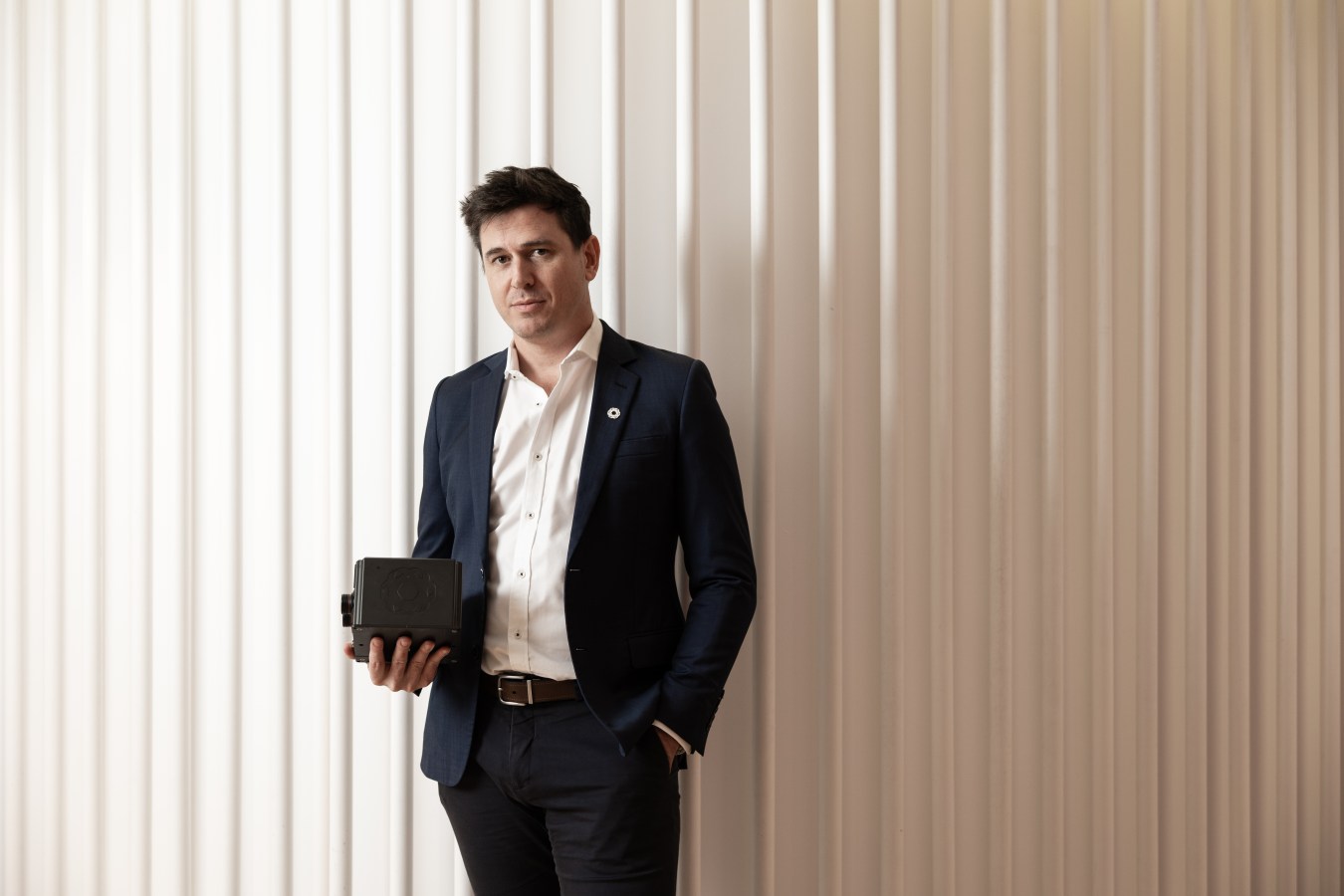
After building and selling three businesses, Will Scully-Power has for the past two years been investing in Australian space startups. Now he’s looking to launch a VC fund.

Gilmour Space Technologies. Fleet Space Technologies. Skykraft. Each of these space tech startups has raised hundreds of millions of dollars – and Will Scully-Power is on each of their cap tables.
Scully-Power, the son of Challenger astronaut Paul Scully-Power, has started and sold two businesses, most recently Salesforce marketing agency Datarati to OSF Digital in 2022. Since leaving OSF in 2024 he has set up Pine Gap, an investment firm focusing on space and national security startups.
It has been operating essentially as a family office, writing cheques between $25,000 and $500,000. But Scully-Power plans on doubling down soon by teaming up with a US venture capital firm to launch a fund targeting between US$100 million and US$150 million.
“We can make early stage bets and pick some winners, that’s all good and well, but you want to be able to maintain your position, and that requires much larger pools of capital,” Scully-Power said. “We’re in later stages of those discussions with a few different partners at the moment.”
Scully-Power, speaking to Forbes Australia ahead of Beaten Zone Partners’ Reveille defence tech investment conference on September 9, said he expects to have a deal done early next year.
Beaten Zone, a defence tech VC led by former Shark Tank judge Steve Baxter, has itself just closed a $26 million fund.
Defence tech has been a hot global sector over the past few years, led by US companies Palantir and Anduril. The former has grown 560 per cent over the past five years to hit a market cap of US$420 billion, while the latter is in talks to raise at a valuation of US$100 billion. Space tech is often “dual use,” with applications in both private and defence sector, and has itself been buoyed by the historic IPO of Elon Musk’s SpaceX.
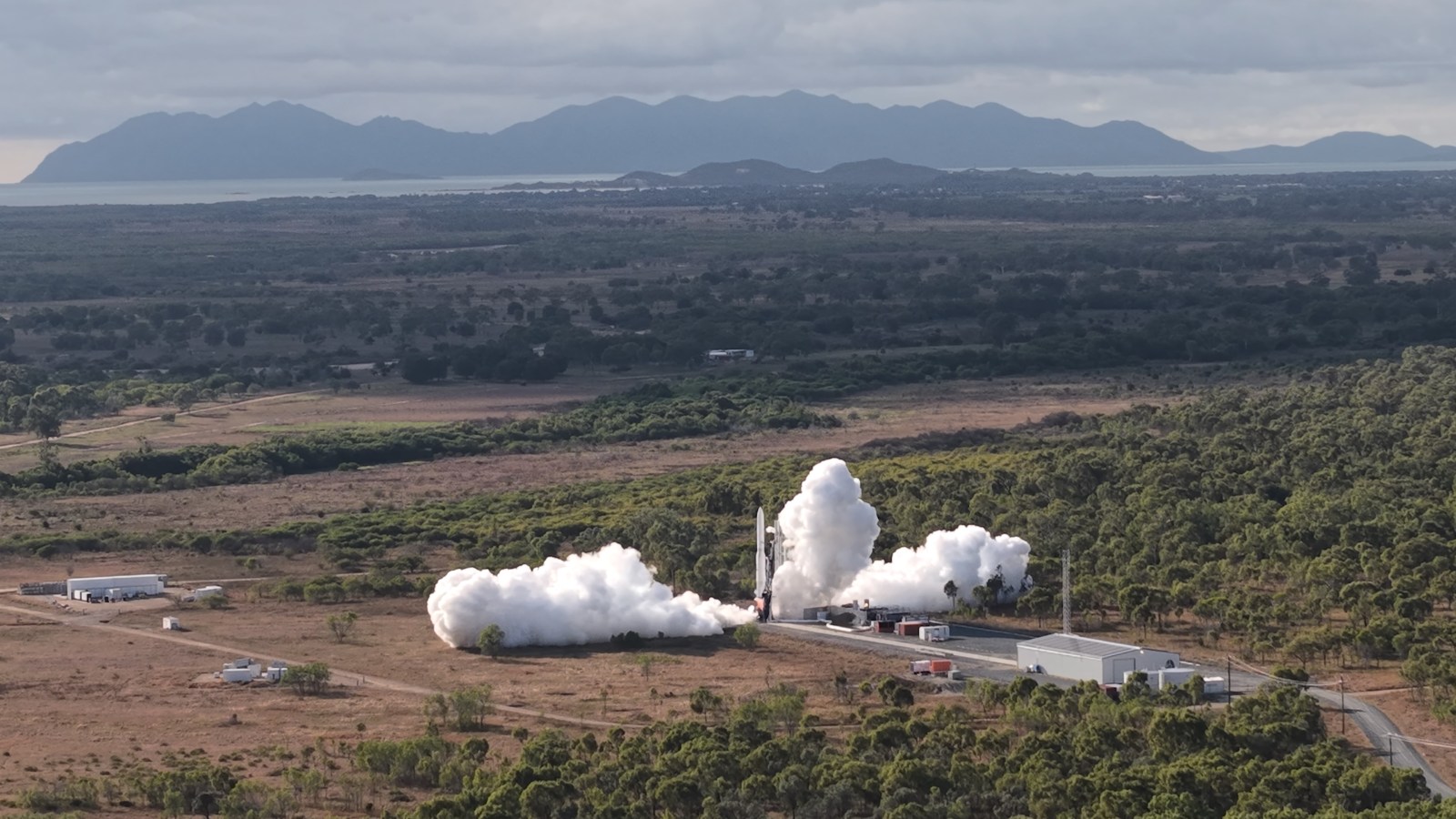
Space tech is a growing segment of Australia’s startup scene, led by unicorn rocket launch hopeful Gilmour Space Technologies. Fleet Space, meanwhile, raised $150 million to use satellite networks for critical mineral and resource exploration.
Pine Gap invested in both of these companies at late stages, meaning it’ll need significant cash to maintain its stake should they raise more capital at higher valuations. But it also has made several early-stage bets, including satellite inspector HEO and NRF-backed Hypersonix.
Scully-Power said his first plan was to raise a $50 million Australian VC fund, but decided against it. Despite having access to these promising startups, he says the country does not yet have the depth required for a dedicated space-tech fund.
“I think doing that as a standalone in Australia, there’s just not enough space tech businesses to warrant a fund,” he said.
“Having spoken to over 100 family offices across Australia, the demand for investing in a space tech fund is absolutely there… Sure, they want access to the best Australian stuff, but ultimately they want the next SpaceX, they want the next Blue Origin, they want at least the opportunity to invest in those opportunities as well.”
Scully-Power expects to move to the US to administer the new fund. With the US Space Force seeking a FY27 budget of US$71 billion, he says he will only back startups targeting the US from day one.
Want to see more Forbes articles on your feed? Tap here to make Forbes Australia a preferred source on Google.
Look back on the week that was with hand-picked articles from Australia and around the world. Sign up to the Forbes Australia newsletter here or become a member here.