More than 700 million litres have been released from Australia’s fuel stockpile, in order to get petrol and diesel into the hands and vehicles of rural customers. So why is the RBA still likely to hike rates?
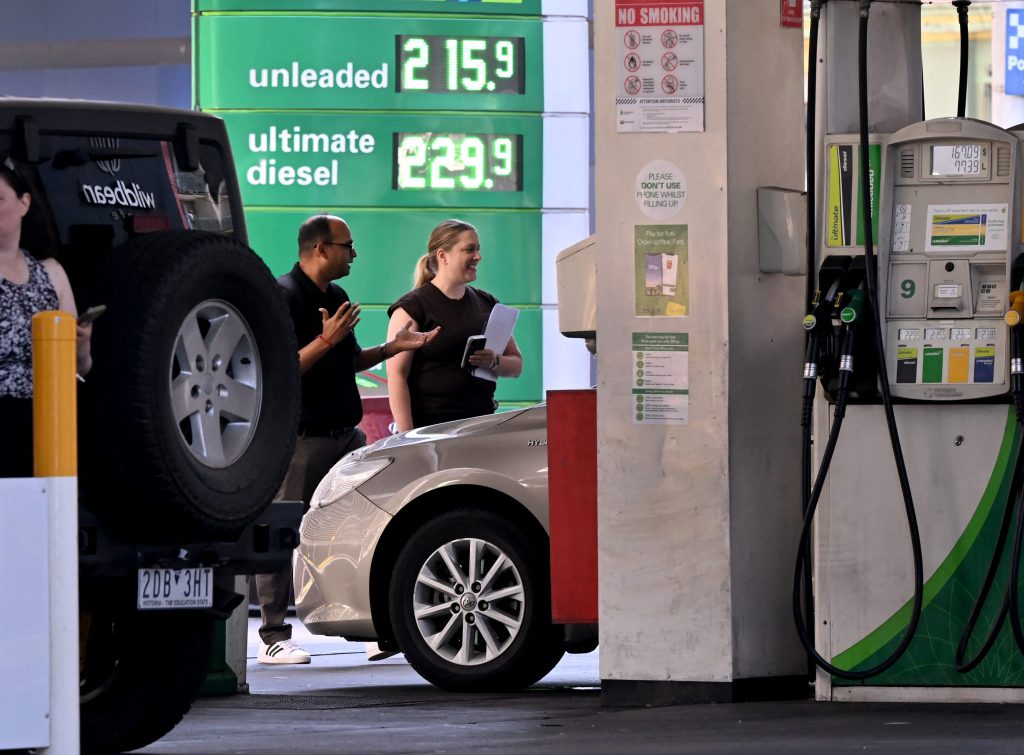
Australia’s formal attempt at sovereign fuel security is facing its first major test. The Minimum Stockholding Obligation (MSO), which became law in July 2023, mandates a baseline of domestic fuel stocks to protect the nation from global volatility. Just 32 months later, the government is reducing those requirements by 20 per cent – to manage regional fuel shortages and price spikes.
The move, announced by energy minister Chris Bowen on Friday, releases 762 million litres of petrol and diesel into a market struggling with supply chain disruptions caused by the escalating conflict in the Middle East. While intended to address a logistics squeeze, it highlights the remarkably tight margins of Australia’s fuel insurance policy.
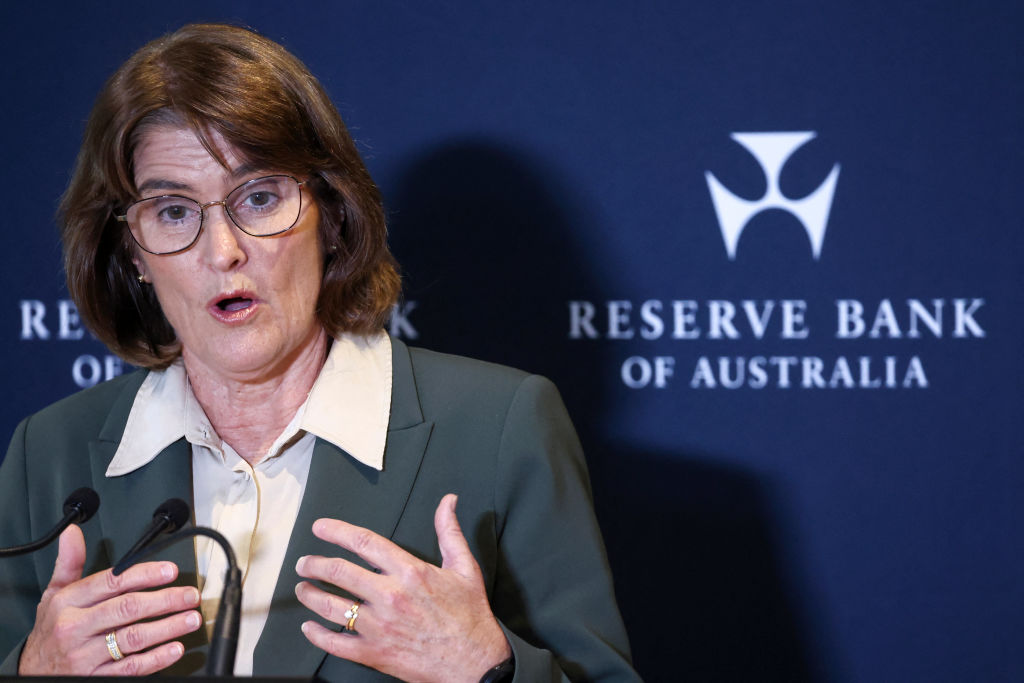
“Australia does have reserves it can dip into – for about a month,” warns AMP chief economist Shane Oliver. “The IEA recommendation is to have 90 days of reserves, and we are way below that. Australia will be really vulnerable if the hit to oil supply continues beyond a month or two.”
While the ‘lucky country’ is a net exporter of energy, it is now a net importer of oil.
“In the 1980s, 90 to 100 per cent of our oil consumption was sourced in Australia and it was mostly refined here,” explains Oliver.
“However, that has now fallen to around 20 per cent for crude oil (as the Bass Strait field matured) and to 10 to 20 per cent for refined products (as refineries closed).”
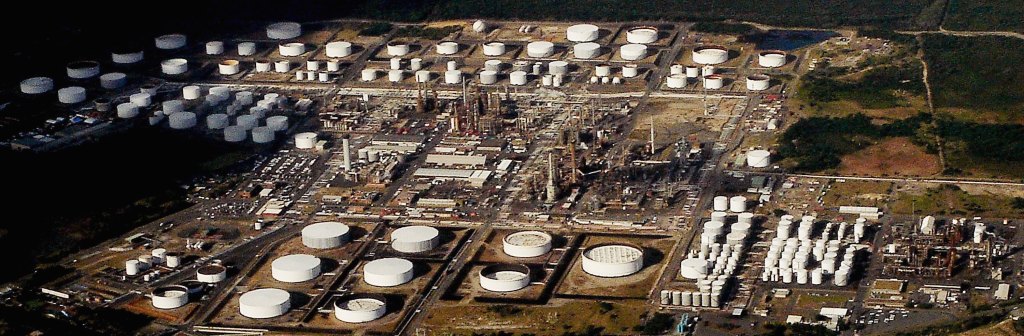
Eighty to ninety per cent of oil now imported to Australia comes from Asia, and the Middle East before that. If the Asian countries that currently refine our oil stop exporting it – because they need to keep it for their own use – Australia is in real trouble.
“The risk is that several of those Asian countries ban exports as their own oil supplies run down – and China has recently announced that.”
Reducing the fuel stockpile by 20 per cent
This is one of the reasons the federal government instituted the Minimum Stockholding Obligation (MSO) three years ago.
Under those regulations, major fuel importers and refiners are legally required to hold a specific number of “consumption cover days.” Before Friday’s reduction, the national floor was 27 days’ supply of petrol and 32 days for diesel. By reducing those mandates by 20 per cent, the government has effectively lowered the legal floor to 21 days’ supply – a time frame that many analysts believe is too short for a global crisis.
Even so, a temporary relaxation of the MSO is necessary, Bowen says.
“We continue to see expected ships arrive in our ports,” Minister Bowen said on Friday. “However, a huge spike in demand has led to local shortages in many parts of regional Australia, and imports will come under further pressure should the conflict in the Middle East continue.”
He cautioned Australians that there is no need to hoard resources, but that distributing fuel to rural areas is now necessary.
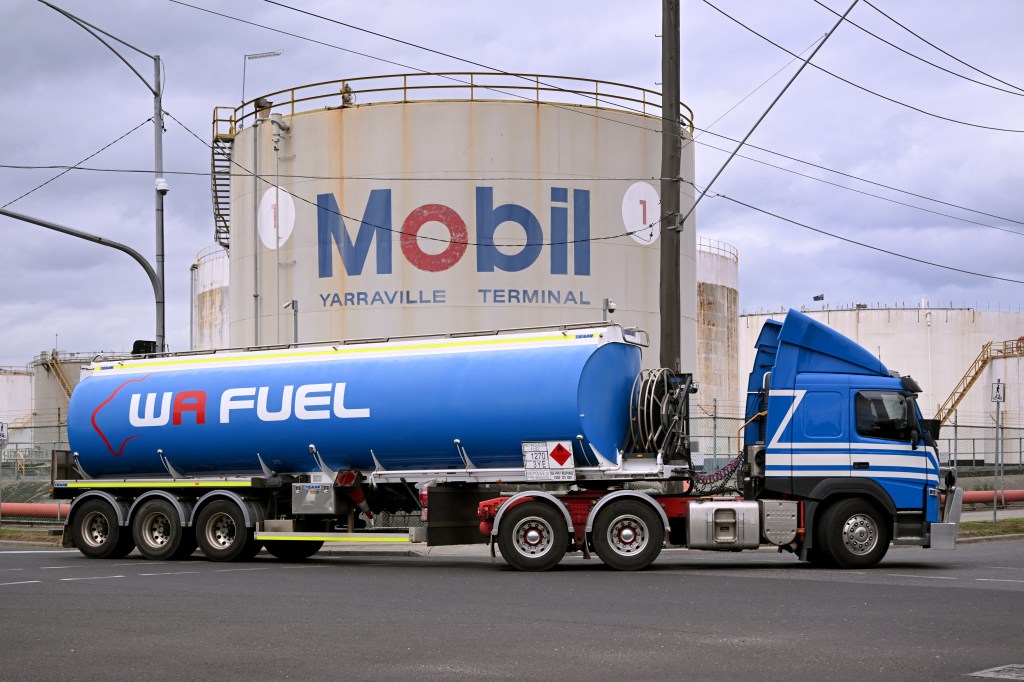
“This will take time to move through Australia’s long and complex supply chain from where fuel is held to the regional areas where it’s needed,” says Bowen. “It is clear there will be supply impacts if this war continues – and the world is acting to mitigate those impacts. We will always act in Australia’s best interests.”
The impact of a $150 barrel of crude
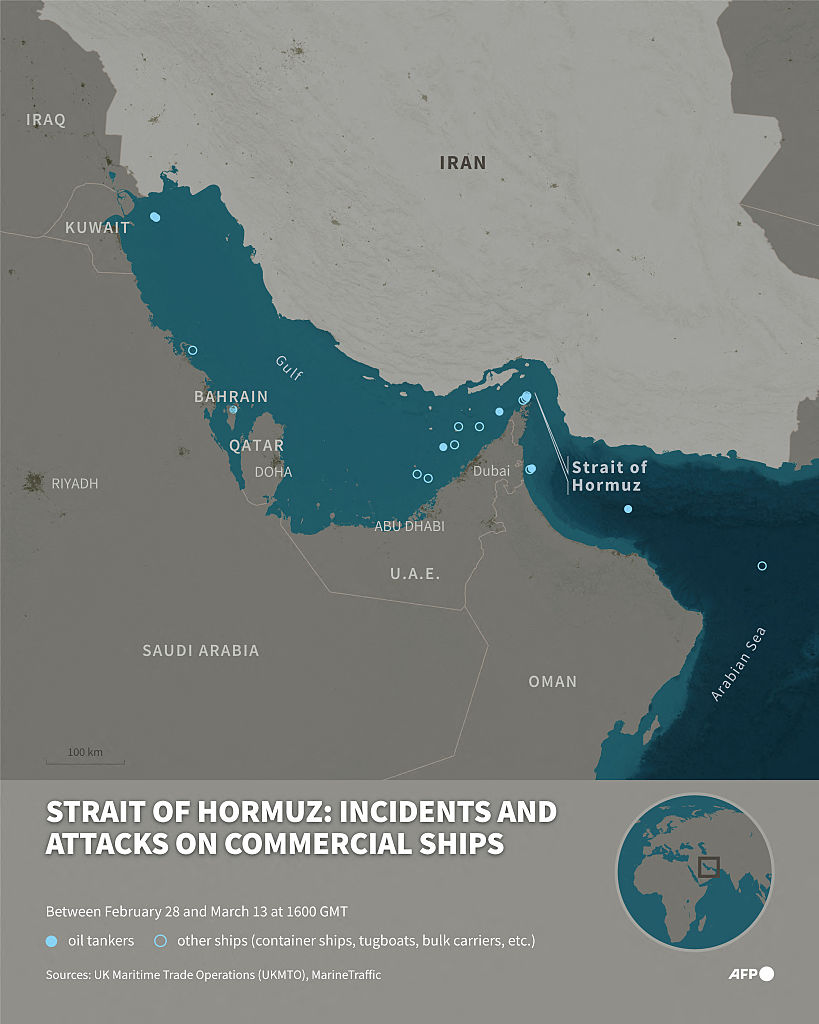
Oliver’s analysis suggests that if the conflict in the Middle East continues to block the Strait of Hormuz, the price of crude could double to US$150 a barrel or more.
“With global oil demand being relatively inelastic in the short term, such a supply setback risks pushing the oil price to say US$150-200/barrel the longer the supply disruption persists as inventories run down,” says Oliver.
The impact this has at the pump is about one cent for every US$1 rise in a barrel of crude. Even if the price settles at just US$100 a barrel, within seven days Australians can expect to pay 40 – 50 cents more per litre than they did in January.
That spike means it costs more to produce and transport goods around the country, leading to inflation.
“Our rough estimate is that oil around $US100/barrel will directly add around 0.8 per cent to inflation in Australia, pushing it up to around 4.6 per cent year over year,” says Oliver.
Of course, higher prices at the pump may mean that Aussie consumers have less money to spend elsewhere, which could potentially be good news for inflation.
“Our rough estimate is that oil prices around $US100 and the flow-on to petrol prices will cost the average Australian household an extra $14 a week or $730 a year, which will lower their ability to spend. At the same time, consumer confidence readings taken late last week – as the war intensified – show a sharp 7 per cent plunge, which will likely depress spending.”
Oil shortage impact on the macro economy
Higher inflation makes an RBA interest rate hike today more likely, Oliver said on Friday, though AMP’s chief economist advises keeping rates as they are may still be the best path forward.
“We think it makes more sense to wait till May before deciding what to do on rates. Surging petrol prices will act as a dampener on consumer spending and it makes sense to wait for at least some of the dust to settle from the Iran war because it could end in a month – making any boost to inflation from higher petrol prices a short-term blip.”
Still, Oliver anticipates that the RBA will put interest rates up by a quarter per cent.
“The Bank appears very concerned [that] the boost to inflation from the war’s impact on oil prices (which at current petrol prices will add 1 per cent to inflation taking it to around 5 per cent) will add to inflation expectations.”
Upping the sulphur ante
The Albanese government has also authorised a 60-day relaxation of fuel quality standards. Petrol with up to 50 ppm (parts per million) of sulphur can now be sold in Australia, bypassing the 10 ppm limit that became mandatory in late 2025. Over the last three months, fuel with high sulphur content was exported to countries with less strict regulations.
“Ampol Australia has committed to ensure this redirected supply will be prioritised for regions of shortage and for the wholesale spot market that supports independent distributors and harvesters,” says Bowen.
“This will allow around 100 million litres a month of new petrol supply that would otherwise have been exported to be blended instead into the Australian domestic supply.”
NRMA spokesperson Peter Khoury says that this so-called ‘dirty fuel’ does not pose a threat to Australians or their vehicles.
“It’s the same fuel we were buying 12 months ago and beyond. It’s a temporary measure that’s designed to fast-track the refining process and make it a bit cheaper. It only affects petrol, it doesn’t affect diesel.”
He also cautioned that relaxing fuel standards is a result of geopolitics and is temporary.
“To get back to pre-war levels, we need the war to end. We also need the Strait of Hormuz to re-open. About 15 to 20 per cent of the oil is stuck in the Strait. Until we get a resolution and until this war sorts itself out, unfortunately, we just don’t have good news for people.”
Want to see more Forbes articles on your feed? Tap here to make Forbes Australia a preferred source on Google.
Look back on the week that was with hand-picked articles from Australia and around the world. Sign up to the Forbes Australia newsletter here or become a member here.