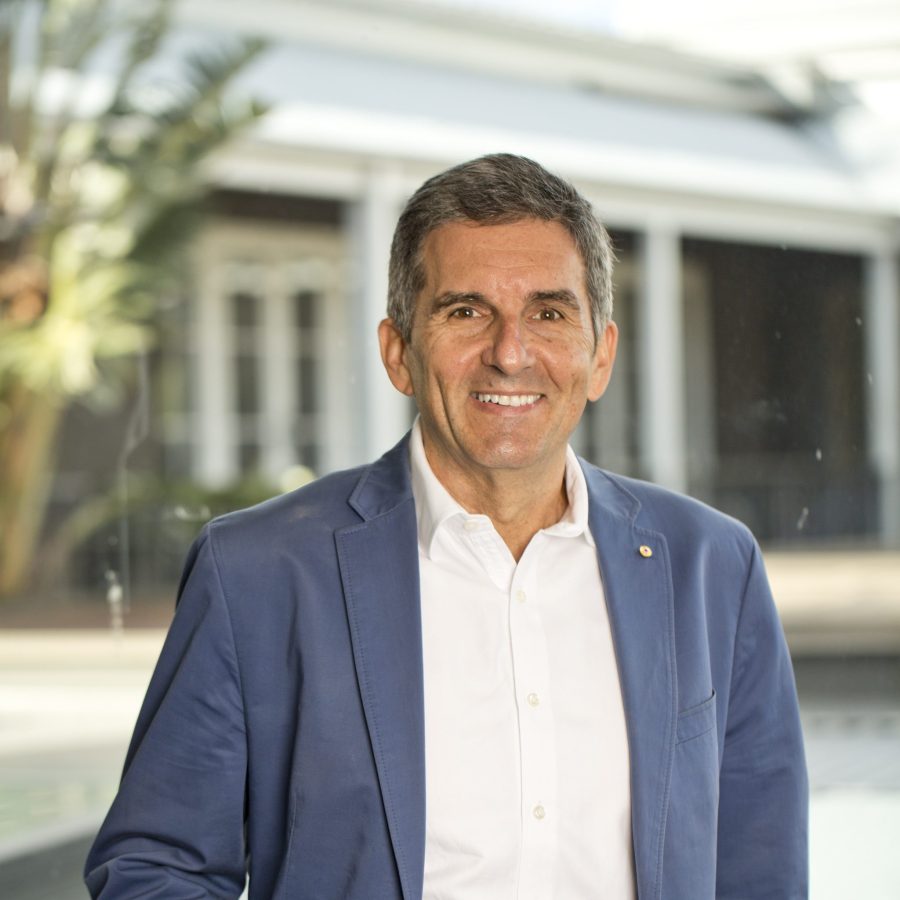
Opinion: As many Australian business owners gear up for retirement, uncertainty around the budget’s changes to capital gains taxes may harm succession plans and business owners approaching retirement, writes MYOB CEO Paul Robson.
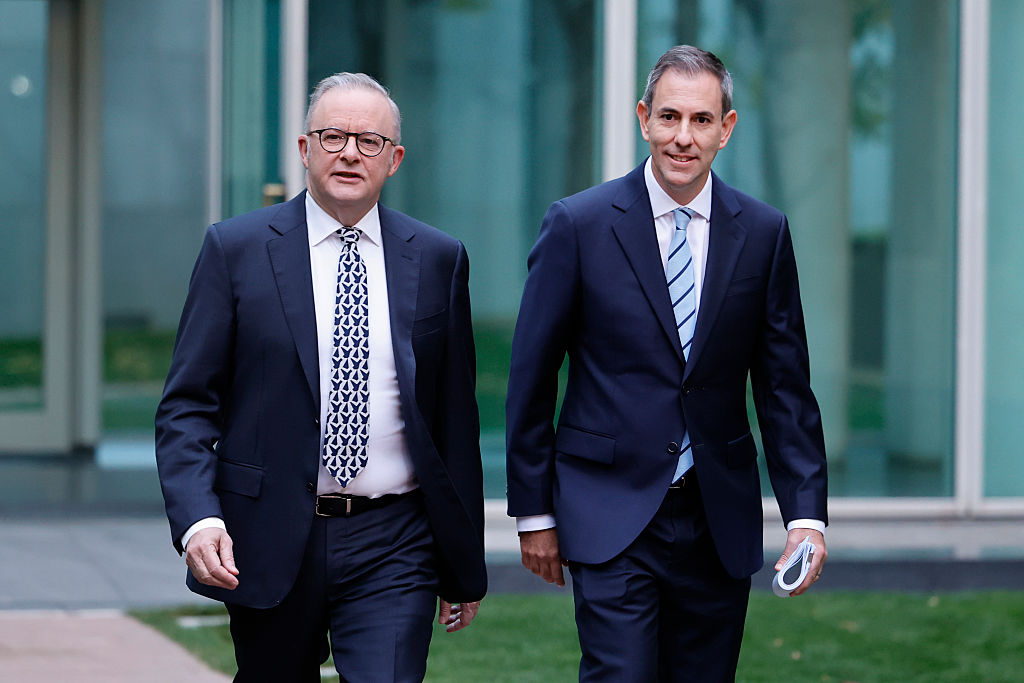
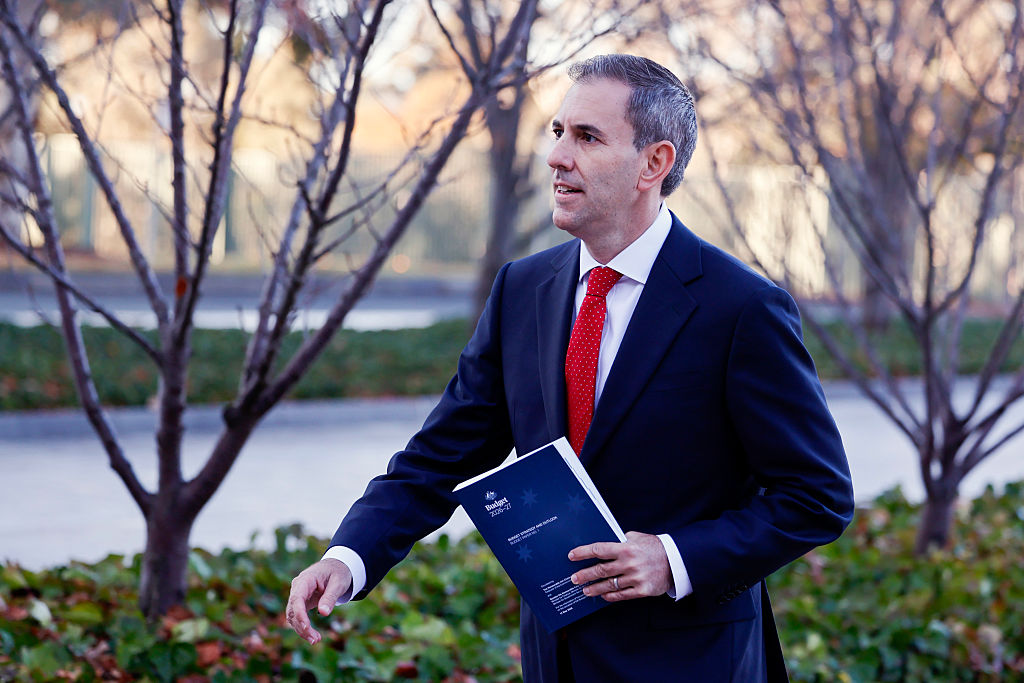
There is a lot for small and medium businesses to welcome in the most recent Federal Budget.
The decision to make the $20,000 instant asset write-off permanent is not a small thing. It gives business owners the kind of certainty that can change behaviour. And when businesses know the rules are not going to shift every year, they invest.
The reintroduction of the two-year corporate loss carry back measure is also a practical reform. For businesses managing fluctuating demand, rising costs and uneven trading conditions, the ability to offset current losses against previous profits is vital. It reflects the reality of how business cycles work, and how profit and loss do not arrive in neat annual blocks.
Our latest MYOB Bi-Annual Business Monitor found that half of all small businesses expect this Budget to directly influence their investment and expansion decisions. That is a strong reminder that policy settings matter, especially to the businesses that employ millions of Australians.
Budget impact on retiring boomers
But there is another question in this Budget that deserves much closer scrutiny, that being how capital gains tax will be applied. CGT is not simply an investor tax. It shapes how founders build, how owners plan, and how many small business owners eventually retire.
For startups, founders and early-stage investors, capital gains are part of the long-term risk-and-reward equation that underpins entrepreneurship. That is not theoretical. It is how many early bets are justified. And it matters just as much for established small business owners who spend years building value with the expectation that, one day, that value can be realised on exit.
This is especially important for the next wave of business succession. MYOB research shows 48 per cent of Baby Boomer business owners aged 62 to 80 plan to exit their business within one to five years, with retirement the primary driver for most. Around a third intend to rely on the proceeds of a business sale as part of their retirement planning.
These are not abstract tax settings for this group. They go directly to succession planning, business valuation and timing. And they land at one of the most consequential moments of a business owner’s life. While micro-businesses might use asset-structuring to squeeze into the part-pension loophole and avoid the 30% CGT floor, the vast majority of mid-market founders who have built higher-value enterprises will be locked out of this exemption.
That is not an argument against reform, but it is an argument for getting reform right. In addressing one problem, we need to be certain we do not create another. How these proposals affect small businesses will depend heavily on structure and implementation. This is why the detail matters so much.
Business needs certainty
There are some encouraging signs. The Government has acknowledged the need for consultation, particularly for early-stage businesses and the startup ecosystem. The transitional arrangements announced so far also provide important protection for investments, with the current discount proposed to continue applying to gains accrued before the start date. That is the right signal, but it is not the same as practical clarity.
Most business owners are already managing rising costs, compliance pressure and economic uncertainty. They are focused on running operations, paying staff and finding ways to grow in a hugely competitive landscape. They should not also be left to decode complex tax reform on their own.
As these reforms progress, many SMEs will rely on accountants and legal advisers to understand what the changes mean for their specific circumstances. That makes clear communication and practical guidance from the Federal Government essential.
The conversation around CGT reform should be approached with fairness, but also continuity, renewal and confidence. As many Baby Boomer owners prepare for retirement and a new generation looks to build businesses of its own, the next step is clear: give SMEs the detail, certainty and practical guidance they need to move confidently from startup to succession.
Paul Robson is the CEO of software company MYOB.
Want to see more Forbes articles on your feed? Tap here to make Forbes Australia a preferred source on Google.
Look back on the week that was with hand-picked articles from Australia and around the world. Sign up to the Forbes Australia newsletter here or become a member here.