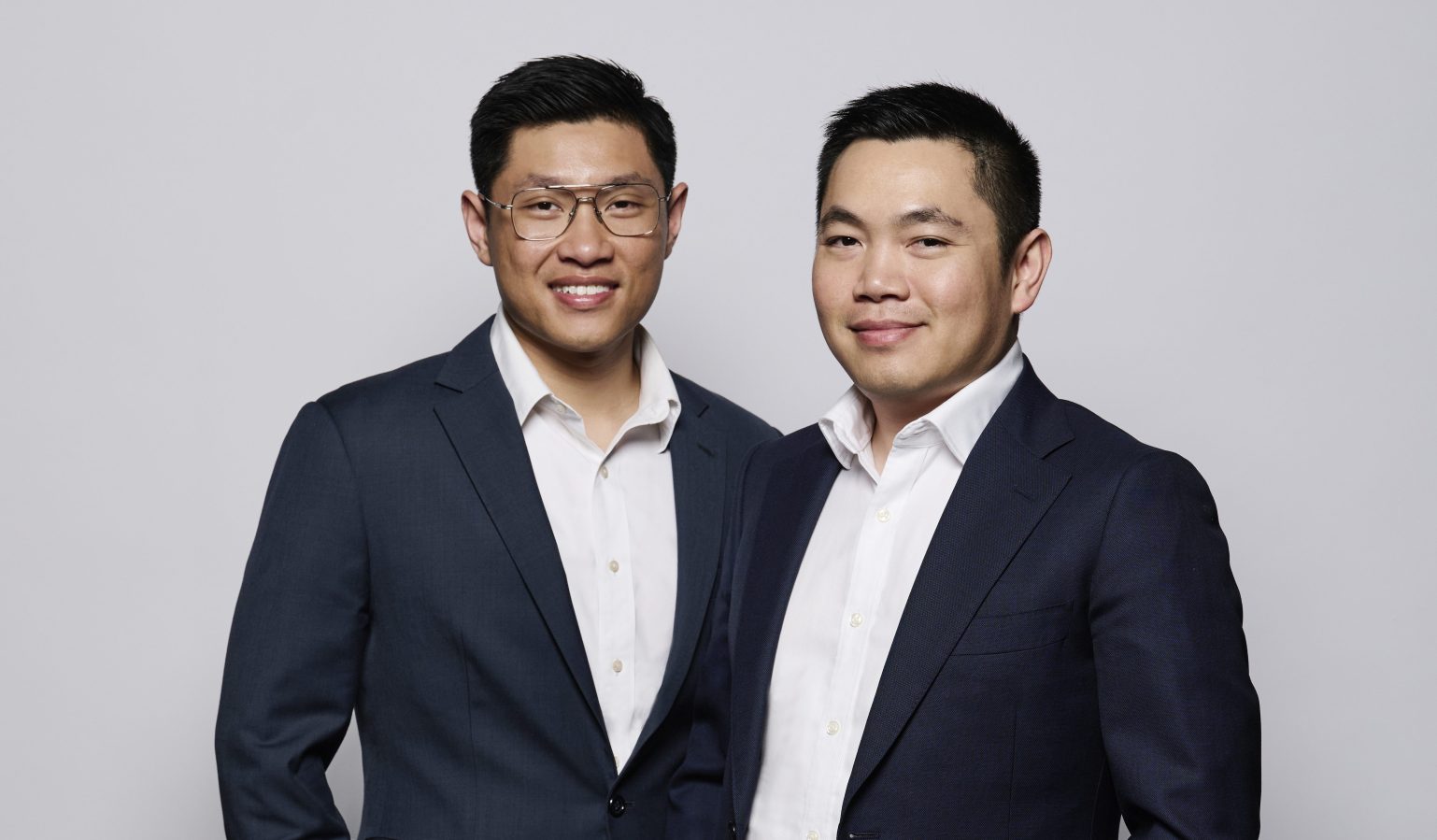
Michael Biercuk, the American founder who built quantum company Q-CTRL in Sydney, says Labor’s proposed CGT changes would not have survived his decision to set up here in 2017.

Key Takeaways
- Q-CTRL founder Michael Biercuk has called on the Australian Government to add capital gains tax concessions to startups of all sizes.
- Equally important, he says, is that startups be grandfathered into any new equity taxation system.
- Biercuk was one of several entrepreneurs at Allegra Spender’s Roundtable on capital gains tax reform on Monday.
- The Labor Government’s proposal to reduce the Capital Gains Tax discount has alarmed the startup sector, which says it dramatically reduces their ability to recruit and retain talent in Australia.
- Treasurer Jim Chalmers said he is open to introducing a carve-out for the industry.
Michael Biercuk is a unicorn among Australian founders. Instead of an Australian building a startup with ambitions to quickly scale into the US, he’s an American who founded his quantum company Q-CTRL here because of Australia’s strong research talent.
But if the capital gains regime that the government is now proposing was in place in 2017, Biercuk says that would not be the case.
“My equation would be completely different with this determination,” Biercuk told Forbes Australia.
“Despite the fact that Australian income tax rates are pretty high, the capital gains tax treatment is basically identical right now between Australia and the US,” Biercuk explained. “But when you suddenly say ‘no, we’re going to double that tax rate’? It pushes the balance over the edge… it really just says Australia is in the too hard bucket.”
Q-CTRL makes software that boosts the reliability of nascent quantum computing technology, and has developed a range of quantum sensors that provide navigation capability in areas GPS can’t reach. It capped off an extended $168 million Series B in 2024, and last month found itself just after SpaceX in Time’s list of 10 Most Influential New Frontiers Companies of 2026.
Biercuk was among several entrepreneurs and investors at a Monday roundtable convened by Independent MP Allegra Spender to discuss potential capital gains tax carve-outs for startups and investors. Treasurer Jim Chalmers said as he handed down the budget that he was open to such a carve-out.
A key pitfall to avoid, Biercuk said, is for the sector to not be completely grandfathered into any changes. The current proposal would see capital gains made until June 30, 2027 taxed under the present system, and gains made from July 2027 taxed based on inflation indexation. The result would be that the tax burden of founders and employees grows punitively if a startup’s valuation booms after next July, skewing outcomes from investment decisions made years in the past.
“Making a change midstream and saying ‘now you are from this day forward subject to the new tax regime’ borders on banana republic territory,” Biercuk said. “You can’t take the capital out, you get taxed on exit if you depart Australia… and the illiquid nature of startup shares [means] you can’t sell some of your shares on a whim just to pay a tax bill.”
“You basically have no choice — and so that makes us captive.”
The startup and venture capital sector has reacted with near universal hostility towards the proposed CGT changes, which they say would have an outsized negative impact on their industry. Because equity is issued at a low cost base – shares which may sell for hundreds are granted at almost no cost — extra capital gains taxation would significantly lower the value of founder and employee equity.
Many in the industry say that makes it harder for startups to compete for engineering talent with companies like Commonwealth Bank or Telstra, which can afford to pay higher salaries.
“For us specifically it makes hiring harder now,” Dovetail founder Benjamin Humphrey wrote in a Tuesday LinkedIn post. “Tech professionals will vote with their feet. More startups will be built overseas and the life-changing wealth, future angel capital, and tax revenue that should have stayed in the Australian economy will go right along with them.”
Q-CTRL’s Biercuk said he is encouraged by Chalmers’ ongoing engagement with the sector, and cheered other policies in the budget such as R&D reform. From July 1, 2028 the maximum expenditure threshold for large companies conducting R&D in Australia will rise from $150 million to $200 million, and the offset for expenditure on “core” R&D will rise by 4.5%.
It follows Tesla Chair Robyn Denholm leading the “Ambitious Australia” review into Australia’s R&D Tax Incentive, which recommended removing the $150 million cap entirely.
Want to see more Forbes articles on your feed? Tap here to make Forbes Australia a preferred source on Google.
Look back on the week that was with hand-picked articles from Australia and around the world. Sign up to the Forbes Australia newsletter here or become a member here.