
The backstroker traded dreams of Olympic gold for iconic pubs in priceless locations. And his starting capital was a $10,000 swimming scholarship.
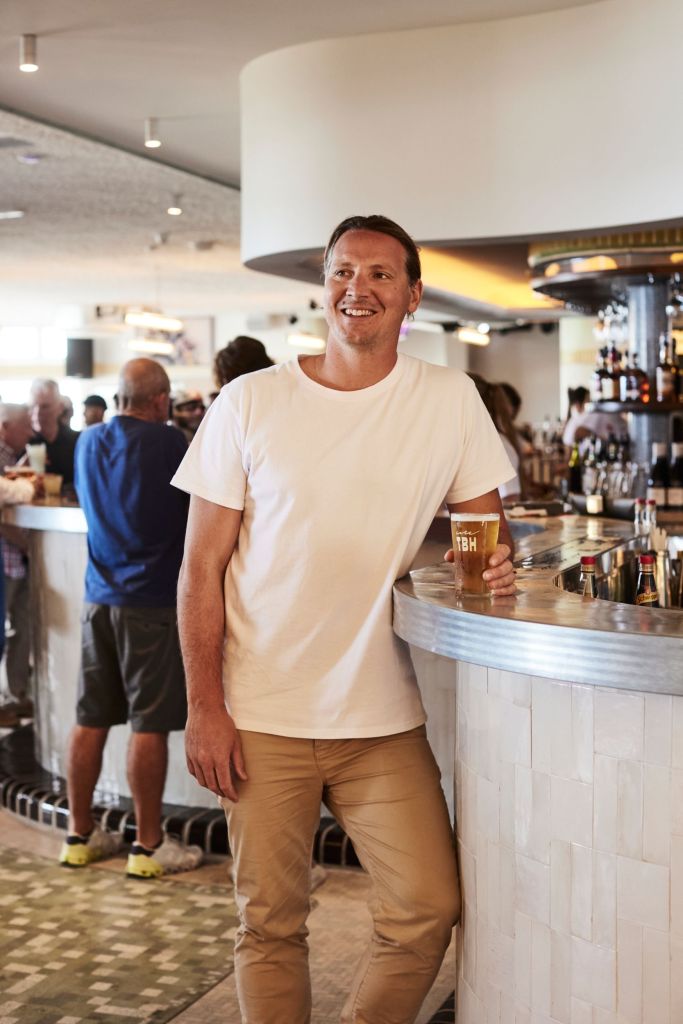
Glenn Piper’s first investment kitty came courtesy of Swimming Australia. The 17-year-old backstroker had broken national age-group records and the $10,000 was meant to support his training.
But he’d read Robert Kiyosaki and Sharon Lechter’s 1997 bestseller, Rich Dad Poor Dad, and was thus inspired to put the stake to work, borrowing another $10,000 on a margin loan to make it work even harder.
The Year-11 student was a long way from the best scholar at Greystanes High in Sydney’s west, but in 2004 he was already on a path that would lead to founding a property advisory business at age 25, a property development firm at 28, and diving into the world of pubs and hospitality by 33.
Over the past six years, his Epochal Hotels has snapped up a string of venues for around $175 million to build a portfolio of pubs that uniformly pull at local hearts.
“A lot of investors want to invest in regions they know and are comfortable in, whereas we get comfort from data.”
Glenn Piper
The 39-year-old’s most recent investment, though, the $20 million Port of Airlie ferry terminal and marina – gateway to Queensland’s Whitsundays announced on March 9 – signals a widening horizon.
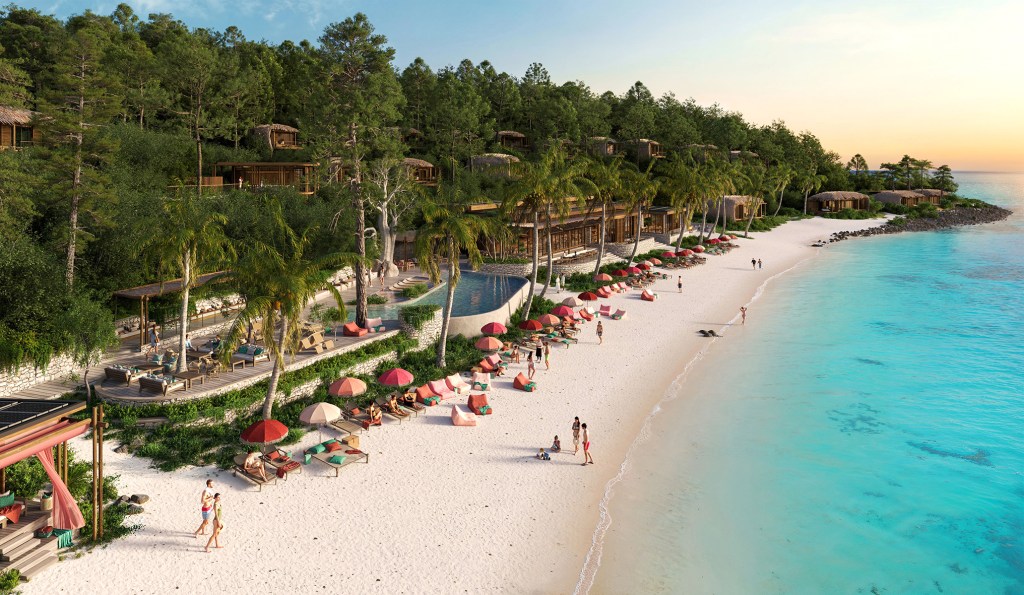
The entrepreneur took on the lease of the ruined Hook Island Resort in 2022, during a period of shuttered Great Barrier Reef resorts going to ruin. While he talks about iconic venues and intuition, he talks more about using data to spot trends.
An epoch of deals
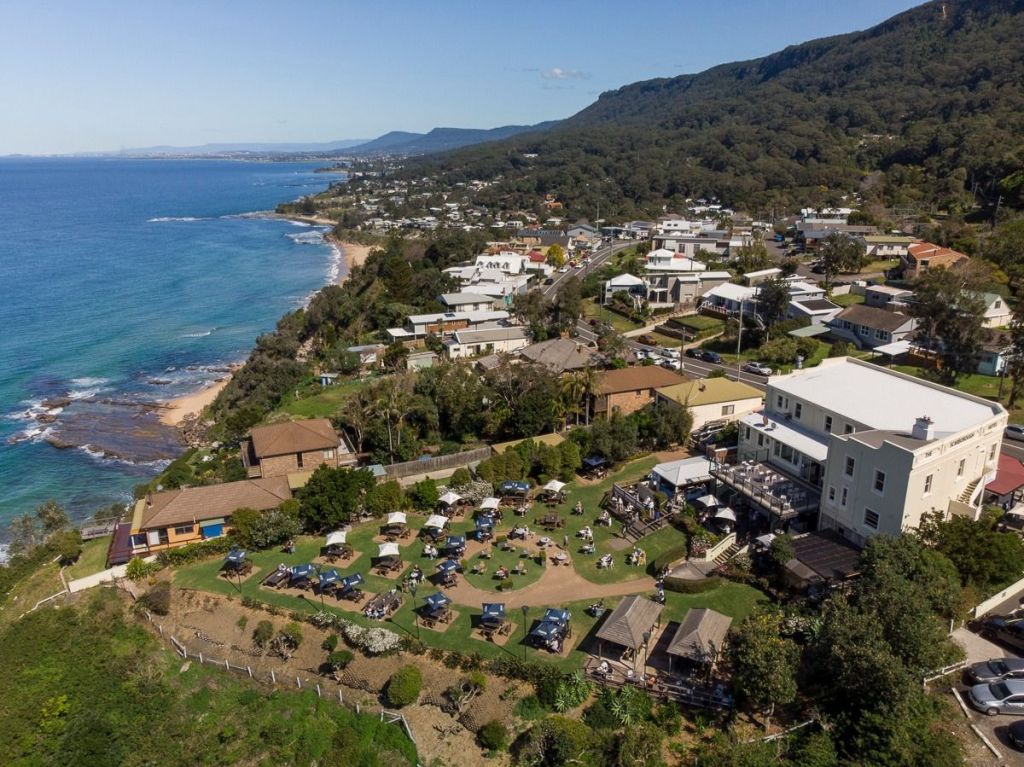
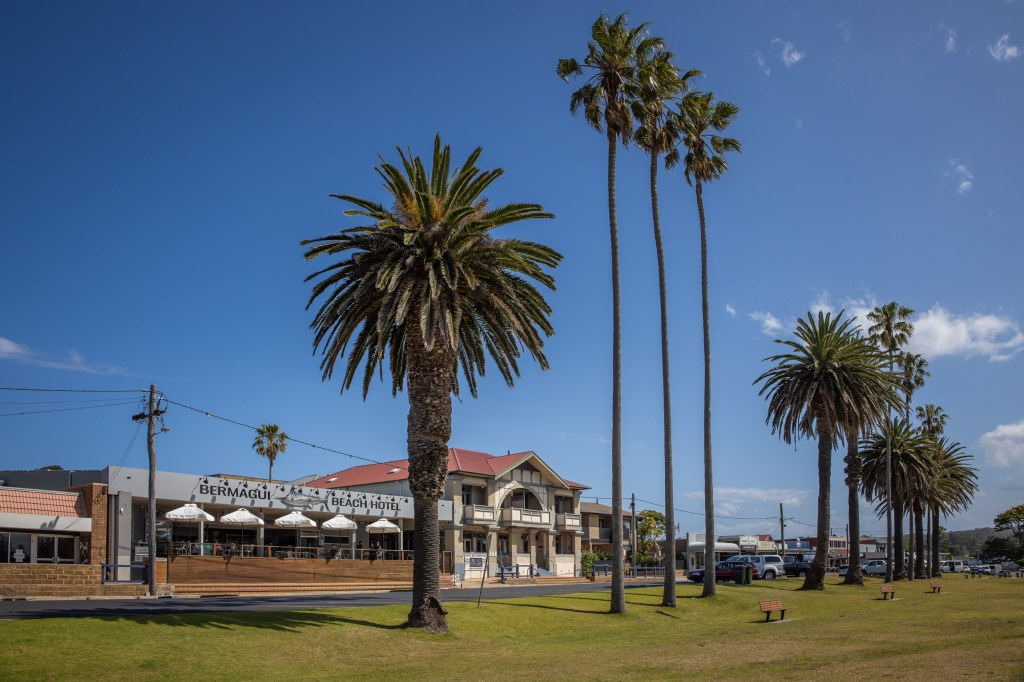
Year | Asset | Location | Price (Approx.) |
|---|---|---|---|
2020 | Harbord Hotel | Freshwater, Sydney | $30 million |
2021 | Q Station | Manly, Sydney | |
2022 | The Beach Hotel | Merewether, Newcastle, NSW | $30 million |
2022 | Hook Island | Whitsundays, QLD | $10 million |
2023 | Commodore Hotel | North Sydney | $29 million |
2024 | The Scarborough Hotel | Scarborough, NSW | $9.5 million |
2025 | Bermagui Beach Hotel | Bermagui, NSW | ~$20 million |
2025 | Tumbulgum Tavern | Tweed River, NSW | $7 million |
2026 | Port of Airlie (ferry terminal & marina) | Whitsundays, QLD | $20 million |
To understand how Piper came to think this way, you have to go back to that teen from the Western Suburbs already looking beyond the Olympic pool’s relentless black line, to the bottom line.
A missed turn
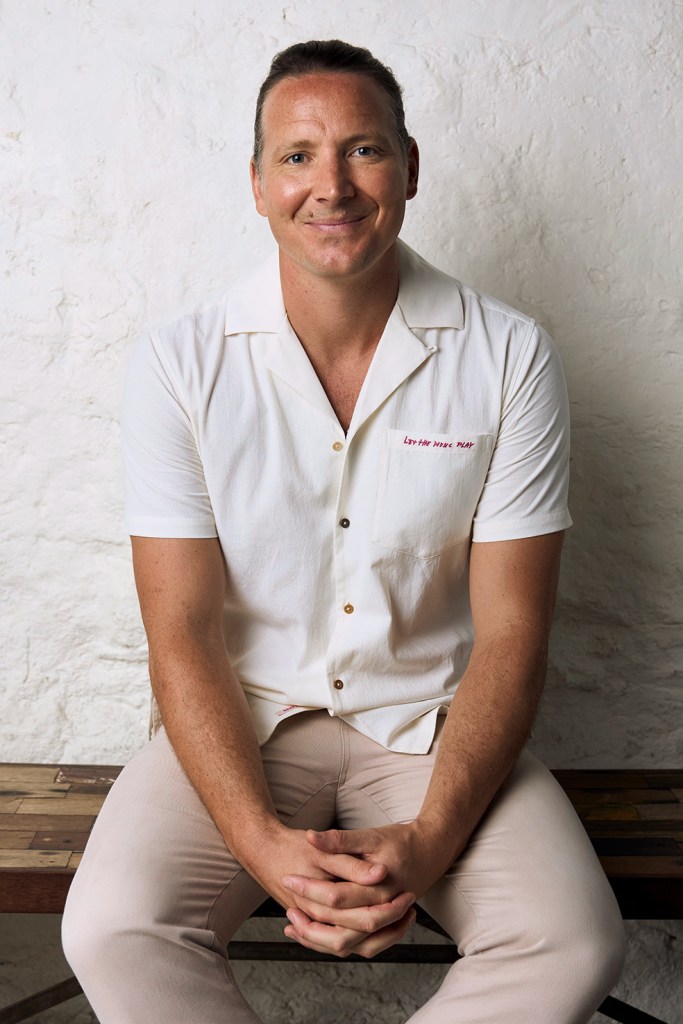
Piper, the son of a builder and librarian, remembers some of the quotes from Rich Dad Poor Dad, which his brother gave him when he was 15. “It doesn’t matter what job you do, if you’re investing your money well, you can be better off financially than a doctor or lawyer,” he says, paraphrasing the book over lunch at his Old Commodore Hotel in North Sydney, dressed in loose-fitting beige and white linen.
“It set a tone for me, and it started to distract me from my swimming career.”
Still, the following year, he broke the Australian under-16 100-metre backstroke record. “I was representing the country at different youth events around the world … I started to research more and learn more, and it was all self-taught. I was trading options at 16 through the CBA Commsec account. My mind was very active.” He realised that for someone with so little capital, property might be a better way to build assets than shares and derivatives.
At the Commonwealth Games trials in 2006, he decided that if he didn’t make the team, he’d quit swimming. “Maybe it was fate. I turned first or second in the 100, but I missed the turn, and so I didn’t hit the wall correctly.”
He came fifth. Done. Career over.
He got a job as a massage therapist and, with his girlfriend, now wife, Alex, saved every cent. “We bought our first property at 20, a unit at Holroyd Gardens in Sydney’s west.
“I was so uncomfortable with the purchase that I decided that I needed to be more educated on what I was doing.
“So, I quit everything and went into property analysis, working at a firm underneath a property economist to understand why property prices grow, why they fall.” He learnt the importance of affordability metrics – figuring out when things were historically high or low, and to look at where infrastructure was being built. “That was when things started to accelerate for us.”
The couple bought three properties before the global financial crisis hit, when he was 21, and his employer went bust. In 2011, he went out on his own and set up a residential property investment advisory firm, Meridian Australia.
“I didn’t have any real estate background other than property analysis and understanding market trends. Every investment we make is based on data.”
His customers were national, but the investment targets weren’t. “We’re only ever in certain markets at the right time – at first in Sydney, and clients did very well out of that. Then we moved to Brisbane, and Brisbane’s done fantastic. We were then one of the first property groups to adopt Perth since its last boom back in 2004. “A lot of investors want to invest in regions they know and are comfortable in, whereas we get comfort from data.”
A beach bungalow
He and Alex had a personal portfolio of five properties by the age of 25 and had hit a ceiling where banks wouldn’t lend them any more. They’d subdivided one block, developed it, and saw that development was the way forward, founding Pyco Group with some partners.
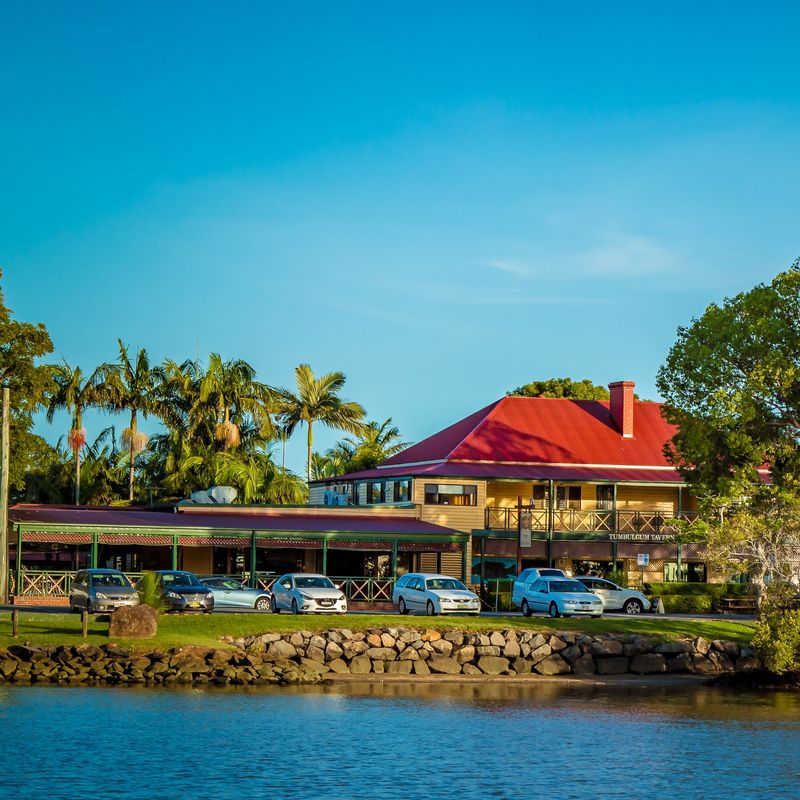
They bit off more than they could chew with a debut block of 38 units in Brisbane during the bank lending crunch of 2017 to 2019. But they got through.
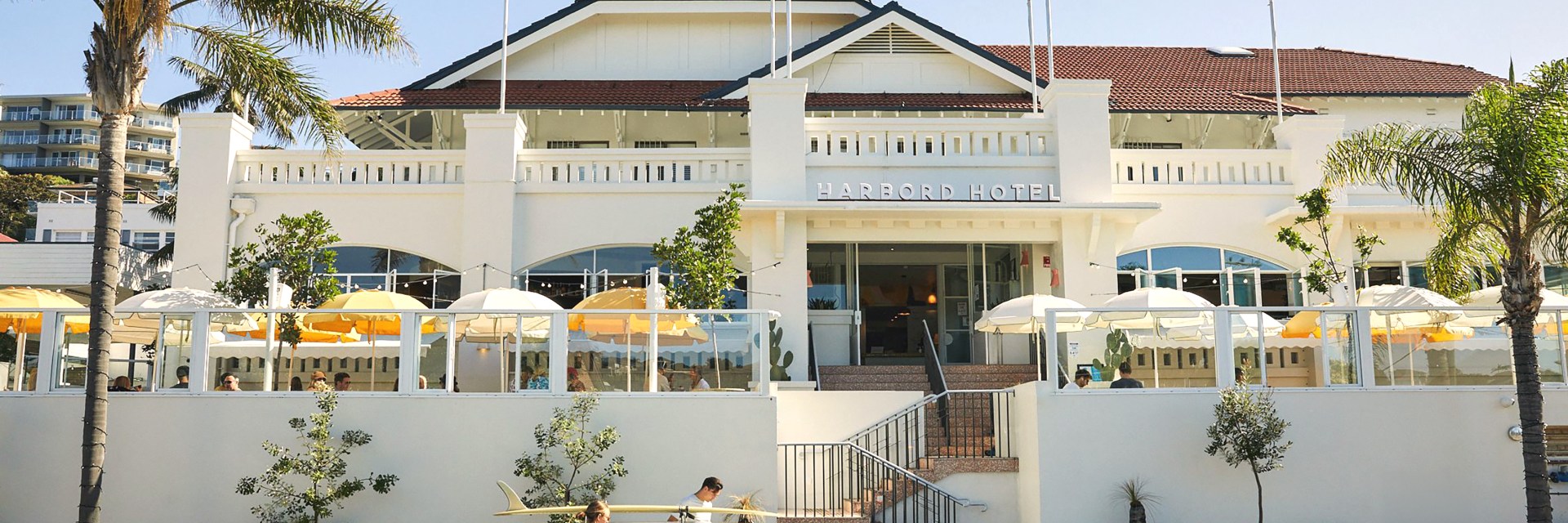
By 2019, living on Sydney’s Northern Beaches and with four developments already under the belt, Piper was drawn to the beauty of the local pub, the Harbord Hotel. He felt the enormous California Bungalow was getting tired.
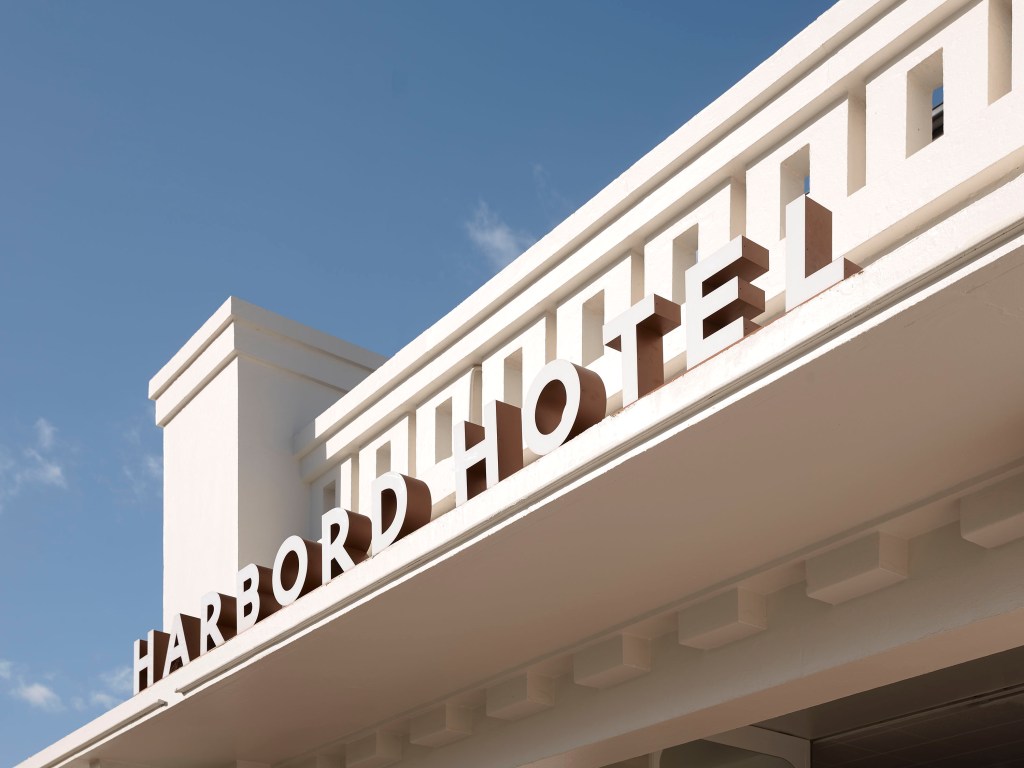
“I’m a property guy … and I appreciate what goes into establishing a building, especially heritage buildings, because you can’t replace those.”
He approached the owner and put together a syndicate of friends and associates and Epochal Hotel Group was born. One of those, Michelle Galletti, was a local real estate sales agent he’d met through their two sons’ friendship. Piper told her of his plans to buy the local.
“I want a piece of that,” she told him. “I just loved his ethos,” Galletti says. “That sense of keeping places local-dominated, but just lifting them up.”
They bought the pub for a reported $30 million, settling in January 2020.
Even though its opening was smashed by COVID-19 lockdowns, Piper kept the confidence of his investors. “He’s a very calm person,” says Galletti. “He always had something in front of him to go ‘okay, if this happens, we need to do this’.”
Piper put a fresh Epochal syndicate together to buy the former North Head quarantine station on Sydney Harbour, Q Station. A string of purchases followed, each with fresh investor syndicates. “That was strategic,” says Piper. “I wanted to have separate equity components to each project.”
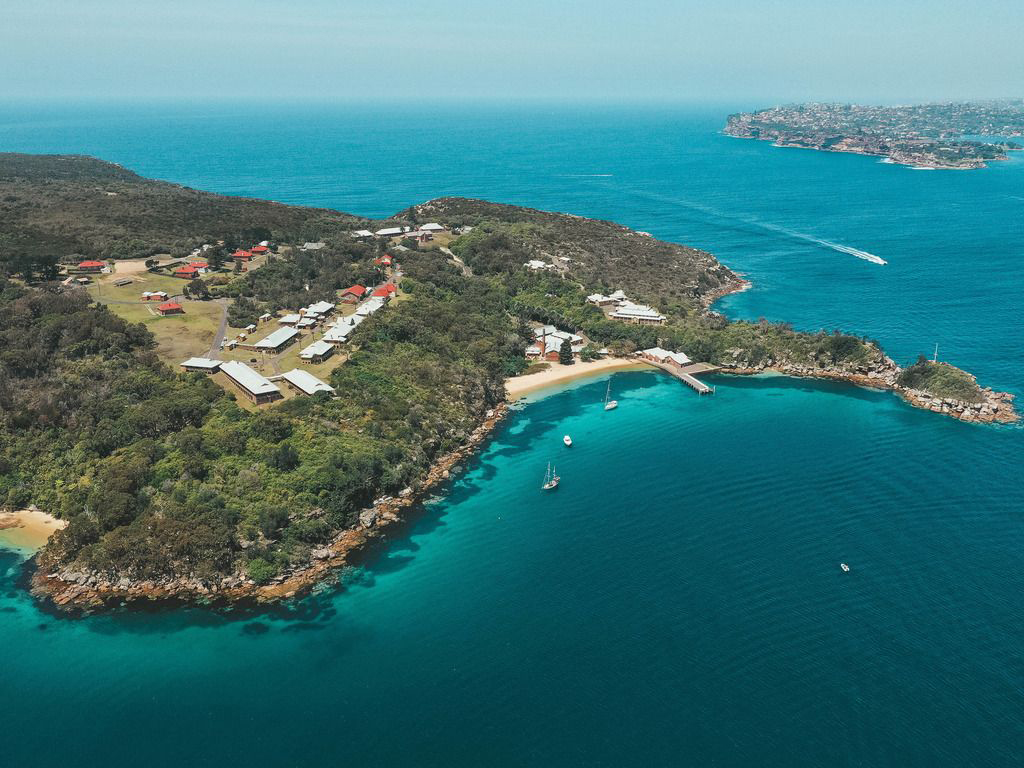
Money was cheap, so competition for assets was hot. They paid so much for each that they had to make them perform better than historical returns, especially as interest rates rose through 2022.
On the Hook
Piper did not plan to expand to Queensland, let alone the Great Barrier Reef where resorts have been hammered by wind and wild financials for the last 20 years. When an agent tried to sell him on the for-sale Hook Island, his default answer was no. “But I like to keep an open mind.”
So, he told the agent to give him some data that might change his point of view.
“He provided me with enough to create some intrigue,” says Piper. “Then I went further down the rabbit hole to understand how this could work.”
The key insight was that boutique lodges were doing very well in both revenue and capital gains. He noted the US equity giant KSL Capital Partners’ $100 million buy-in to the Australian-founded Baillie Lodges in 2018. “I did my due diligence and decided that, one, the Whitsundays is an incredible destination and, two, if it was executed correctly, this would be a really good thing for the whole Whitsundays market.”
The agent took him for a visit, and he saw all the boats sailing between Hook Island and Whitsunday Island. He went for a swim in his underwear and sat to dry on the former resort’s bare concrete slab. He could see the beach club right where he was sitting, looking out across the pristine waters. He could see the lodges and a restaurant up on the cliff.
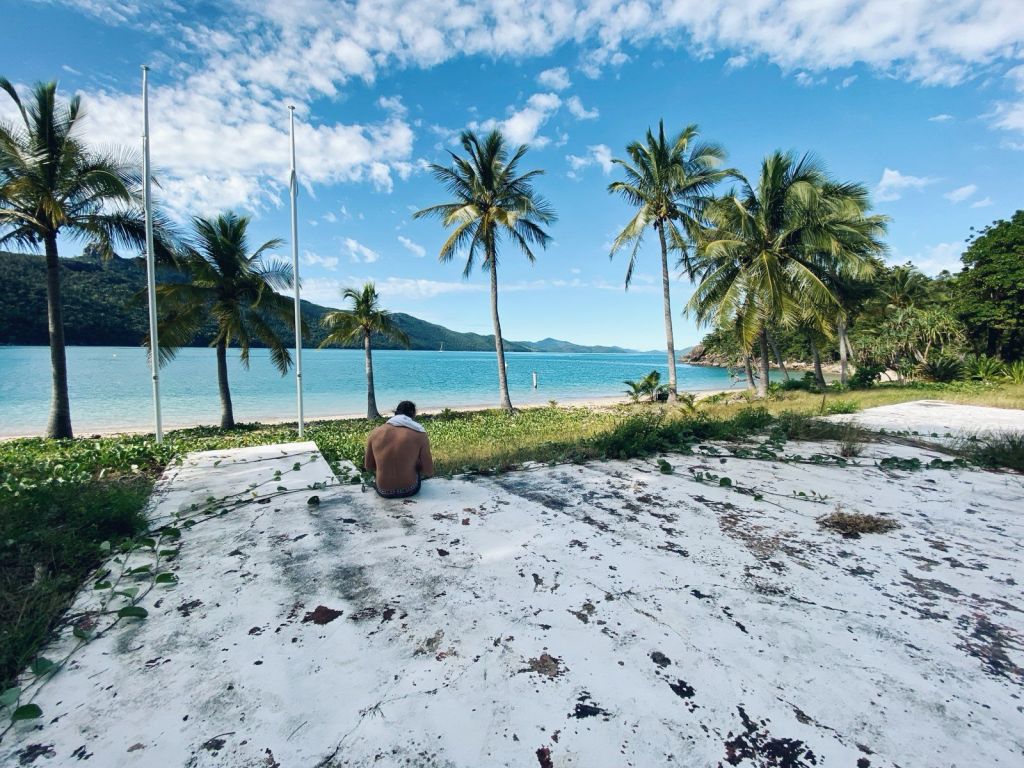
He knew there would be a lot of environmental hoops to jump through, but admits he was naïve about how many.
“You don’t really understand the amount of work and reports and due diligence that’s required from the government. It took us three years.”
The approval process has cost Epochal “a couple of million dollars”, he says. The number of lodges got cut from 50 to 38, so the resort now has approval for 117 overnight guests and 280 people on the island at any one time. They received final approval late last year, and Epochal plans to start construction in June, aiming to open by the middle of 2027.
The Epochal portfolio, which cost in the ballpark of $175 million, now stands at a $300 million valuation, Piper says, with a loan-to-value ratio of 55%.
He doesn’t plan to buy anything else while they complete the buildouts of existing properties. But he’s keeping an open mind.
“We don’t have a planned growth strategy. There’s a lot of intuition that comes into our investments,” he says. “We’re looking into various opportunities and we’ll always be open-minded, but it needs to feel right for me and be something that I want to commit my time to.”
He is looking further afield for Epochal. “I do have international ambitions. I would like to see the brand travel into other countries. Not in the near future, but in the medium to longer term. That would be something that excites me.”
Want to see more Forbes articles on your feed? Tap here to make Forbes Australia a preferred source on Google.
Look back on the week that was with hand-picked articles from Australia and around the world. Sign up to the Forbes Australia newsletter here or become a member here.