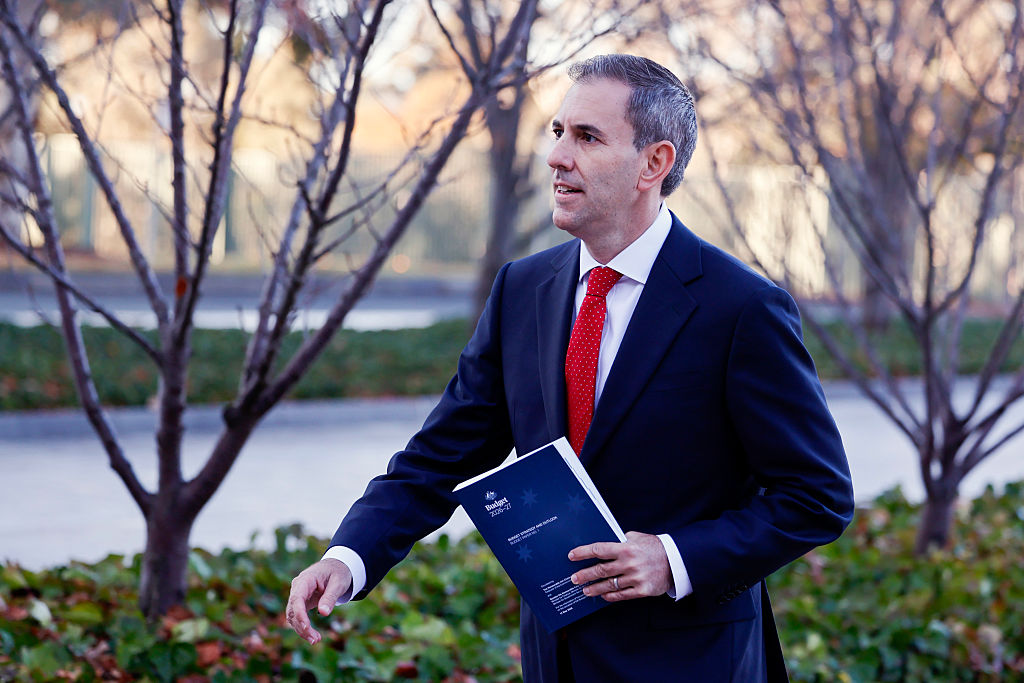
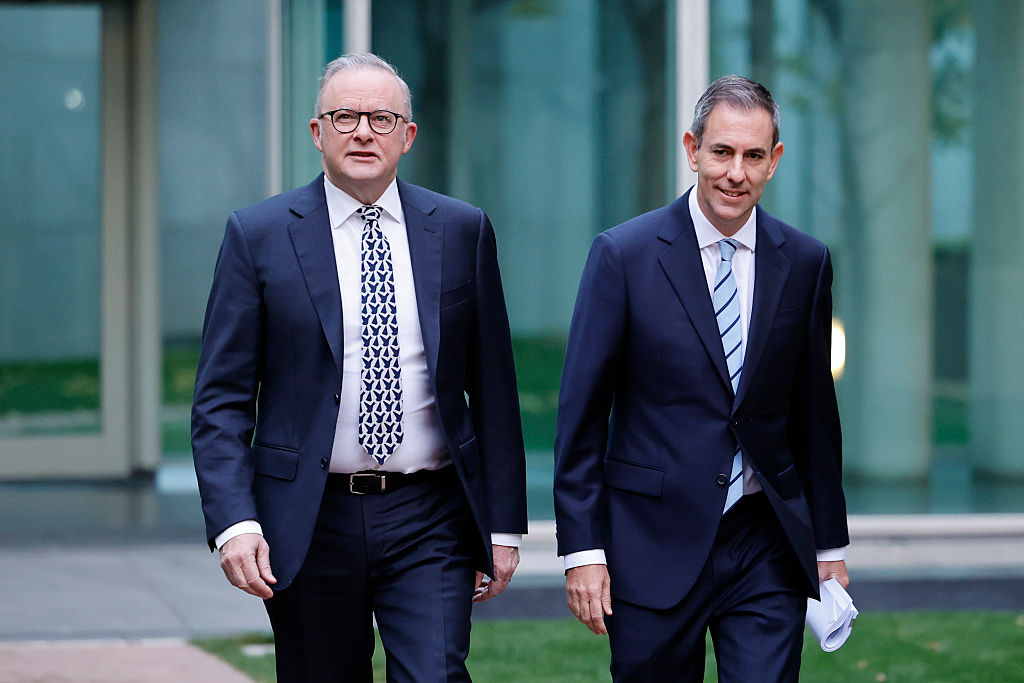
On Thursday the Albanese Government amended its controversial capital gains tax proposal by allowing startups that qualify as ‘innovative businesses’ to retain the existing 50 per cent discount.
Key Takeaways
- Treasury has released a proposal for capital gains tax concessions to the startup sector that restores the 50 per cent discount to eligible companies.
- Under the proposal, equity issued by “innovative” startups would retain the existing discount until the startup reaches revenue of $50 million or 10 years of operation.
- The discount will not apply to foreign residents, companies and superannuation funds.
- The startup and VC sector reacted with alarm following Jim Chalmers’ May budget, which proposed ditching the existing 50 per cent discount in favour of a model that indexed capital gains taxation to inflation.
- The inflation-indexed system would see CGT rise from 23.5 per cent to a minimum of 30 percent and a maximum of 47.5 per cent.
The Albanese Government on Thursday announced plans to offer capital gains tax concessions to the startup sector that will give certain founders, employees and investors that hold equity in “innovative businesses” the option to retain the existing 50 per cent CGT discount beyond 2027.
The carve out comes after Treasurer Jim Chalmers flagged he would consult with the startup and VC sector on new CGT rules, introduced in May’s budget, that would see the tax burden on equity sales by some founders and employees double to 47.5 per cent.
In a consultation paper issued Wednesday, Treasury is now proposing giving startup founders and employees a choice to keep the existing 50 per cent CGT discount or opt into the new, inflation-indexed model proposed in the budget.
The government elicited a furore from the startup sector after it proposed raising the minimum CGT from 23.5 per cent to 30 per cent, and to a maximum of 47.5 per cent, under a budget it said was aimed at breaking open Australia’s inaccessible housing market for young people. Critics argued that removing the capital gains discount for equity sales would not help people buy homes and would have the unintended consequence of making Australia a harder place for startups to attract and retain talent.
For equity to be eligible for the 50 per cent discount, it would need to be held for five years, and issued by an “active, innovative” startup that is not listed on a stock exchange. Crucially, the discount only applies to equity issued in the first ten years of a startup or until the business hits an annual turnover of $50 million.
“Limiting eligibility to shares issued while a business is under specified turnover and age thresholds will ensure the concession is targeted to small and early stage businesses at the riskiest time in their lifecycle, and when the cost base is low, zero or most difficult to value,” the consultation paper reads.
The discount will not be available to foreign residents, companies and superannuation funds. It also comes with a lifetime cap of $10 million, meaning a highly successful founder that sells their company would be unable to receive the same CGT discount if they sold a second business.
To qualify as “innovative,” startups need to be focused on developing “new or significantly improved innovations” that can be commercialised and have a high growth potential beyond its “local market”. The startup also has to demonstrate it has the potential to develop competitive advantages, and be able to successfully scale up – two criteria that sound more like the role of a VC to assess than a Treasury official.
Investors also get protection under the proposed carveout. Carry, the profit VC fund managers earn after returning an agreed-upon profit to limited partners, will also be eligible for the 50 per cent discount.
Treasury has called for submissions from industry on the proposed changes, which are open until July 10. It is asking for feedback on, among other things, whether the concession will help attract investment to Australian startups, whether the criteria for “innovative” is appropriate and if there should be further exemptions for deep tech startups that may take more than 10 years to commercialise.
Want to see more Forbes articles on your feed? Tap here to make Forbes Australia a preferred source on Google.
Look back on the week that was with hand-picked articles from Australia and around the world. Sign up to the Forbes Australia newsletter here or become a member here.