
Arkeus was already selling its hyperspectral sensor to the US military and Coast Guard. Now the Melbourne startup has finally cracked the Australian Army.
For all the money Australia pours into defence innovation, there is a stubborn gap between building a piece of military technology and getting the Australian Defence Force to use it.
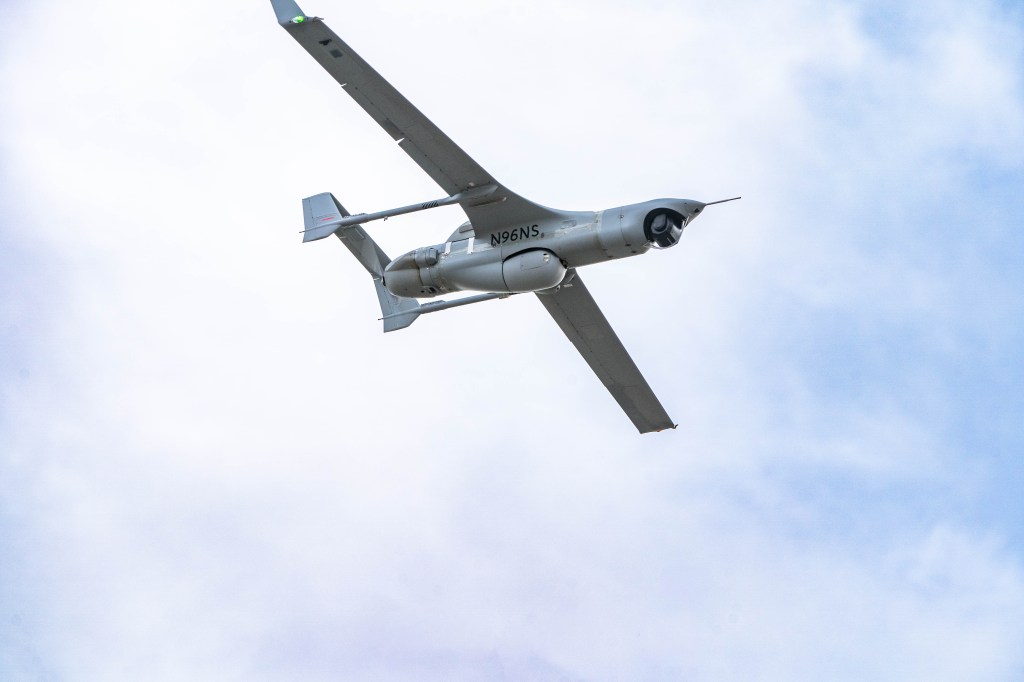
Melbourne deftech startup Arkeus will announce today at the Land Forces exhibition that it has crossed that divide with the Australian Army confirming it will use the company’s Warden hyperspectral optical radar on Insitu Pacific’s Integrator tactical drone as part of the Army’s Tactical Uncrewed Aerial System program.
It is a significant milestone for a company that, according to Arkeus investor and veteran technology entrepreneur Steve Baxter, had experienced early failures, but kept going.
“Very few make it into service,” Baxter tells Forbes Australia, adding that the Army would be foolish if they did make the deftech “valley of death” too easy to cross. “Where there is valid criticism of the ADF for their innovation-to-service pathway is where there is no budget, post-experiment, for any of the capability,” he says. “Quite often they fund competitive experiments (more than one company vying to win) and none get through because the program is defunded or similar.”
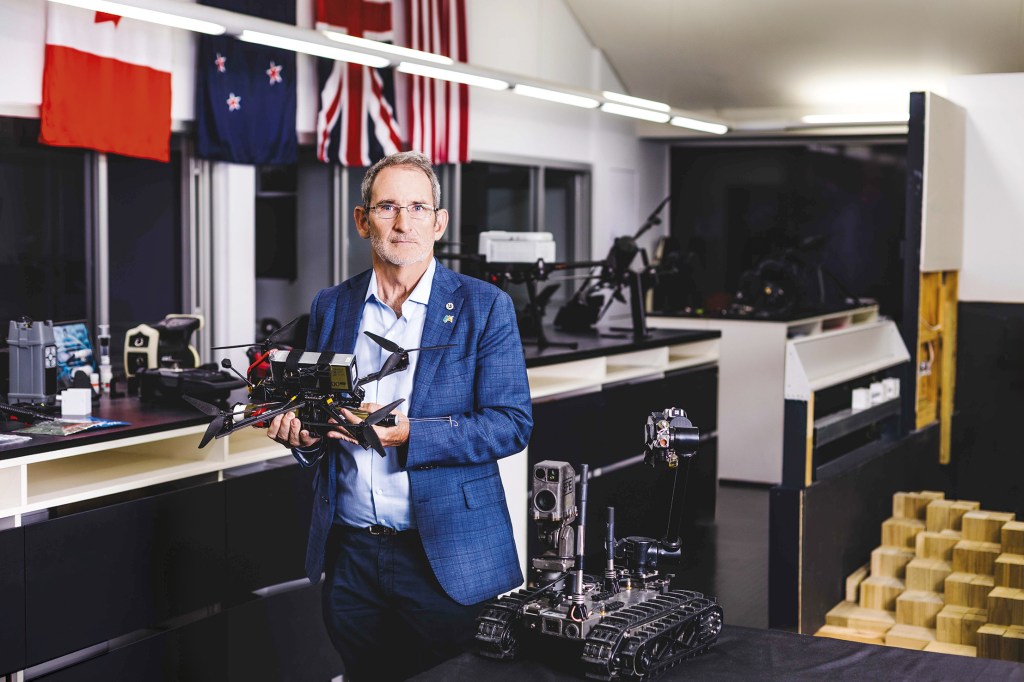
Arkeus has been the victor in several such competitions in Australia and abroad. It is in the unusual position that it sold to the US Department of Defense and Coast Guard before it got into active service with Australian forces, though it has won several smaller contracts with the Australian Army, Navy and Air Force.
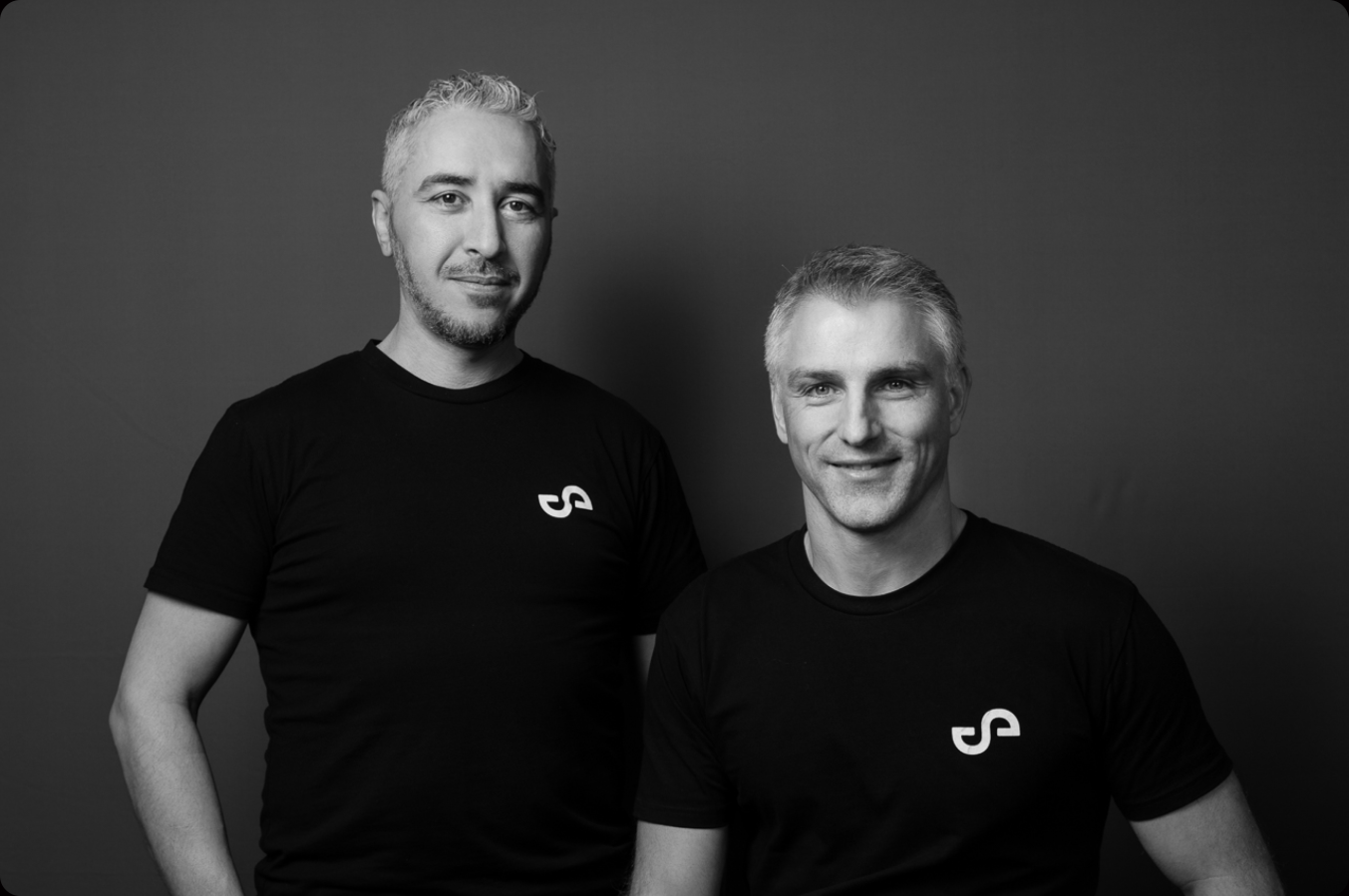
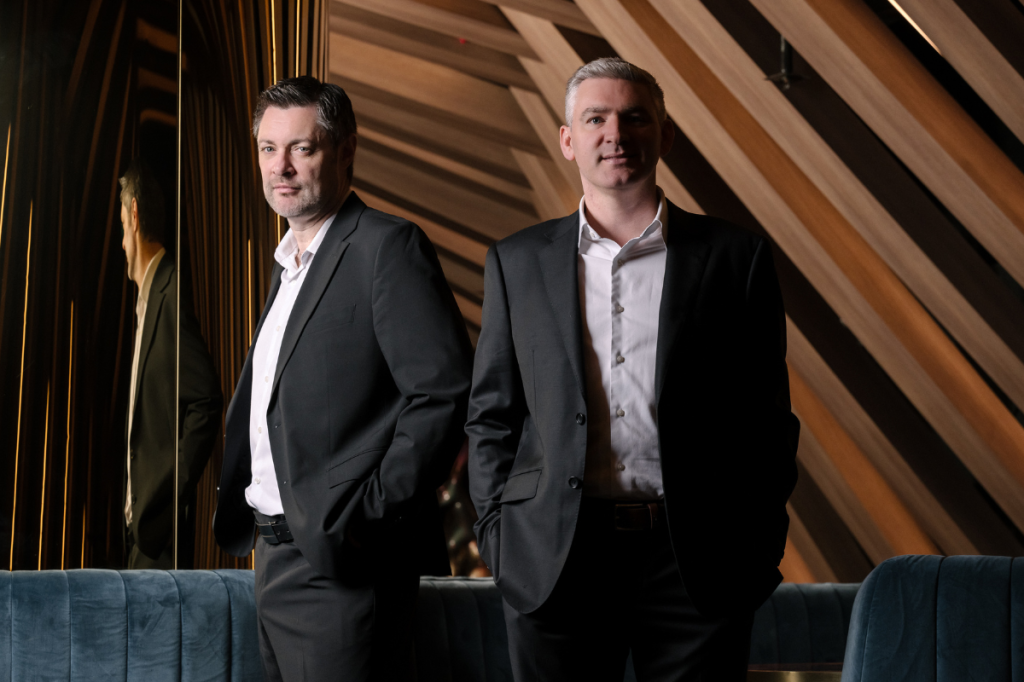
CEO and co-founder Simon Olsen says 90% of the company’s income comes from the US, but it would be a bad look if the company couldn’t get a sale in its home market.
“What I love about this is it’s not a situation where the Australian Army wanted to find an Australian-based technology. This is the result of a global procurement … Army reached out to companies on a global basis. In our final ‘down-select’ [shortening of a shortlist], we competed directly against a US firm.”
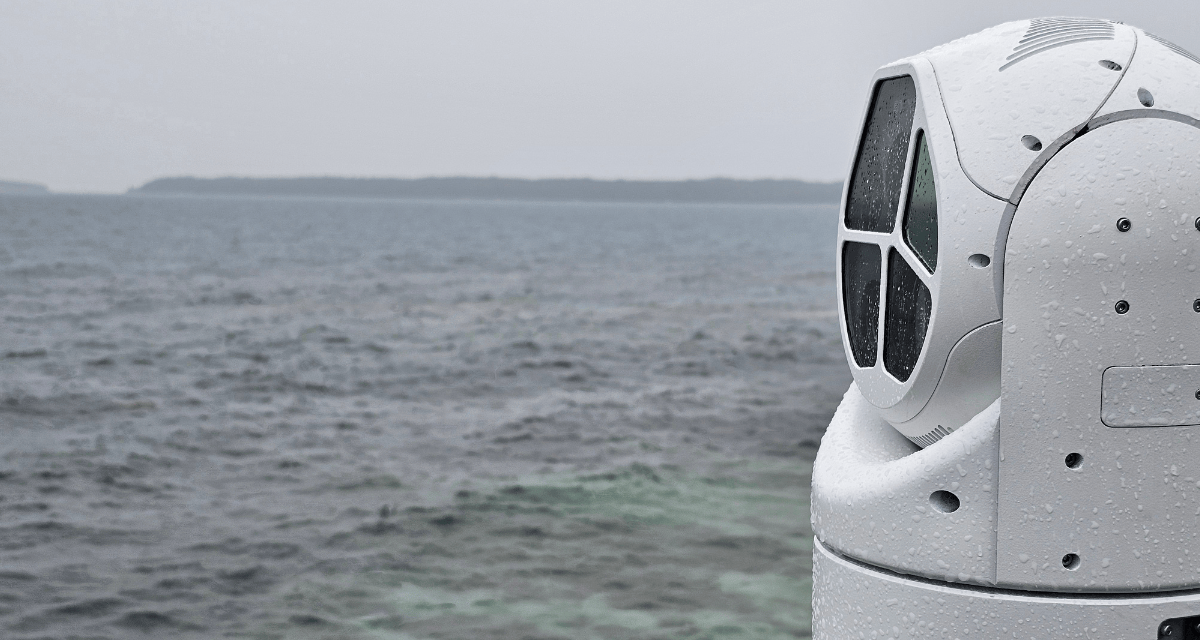
Warden is essentially a wide-area optical sensor that sees far more than a conventional camera, using hyperspectral data to distinguish objects by their spectral signatures. AI processes that information on the sensor itself, allowing it to detect, identify and track targets in real time, including in conditions that can defeat ordinary optical systems.
The Australian Army’s selection competition involved it flying on Insitu Pacific’s Integrator drone and finding a range of targets, day and night. “From people, military and civilian vehicles, vessel at sea including fast boats, fishing vessels, commercial craft, people in the water, were all found as part of this mission,” says Olsen.
“One of the things the system is capable of doing, and I can’t confirm whether or not this was done during the particular mission with the Army, but … the sensor can discern the difference between, for example, a civilian vehicle and a military vehicle, between a camouflaged vehicle and a non-camouflaged vehicle, between a real vehicle and a dummy or a decoy vehicle. And that really matters.
“If you’ve seen similar stuff coming from Ukraine right now, one of the challenges they have, of course, is in standard optical sensors, some of those targets look exactly the same. They don’t to our sensor. They look materially different.”
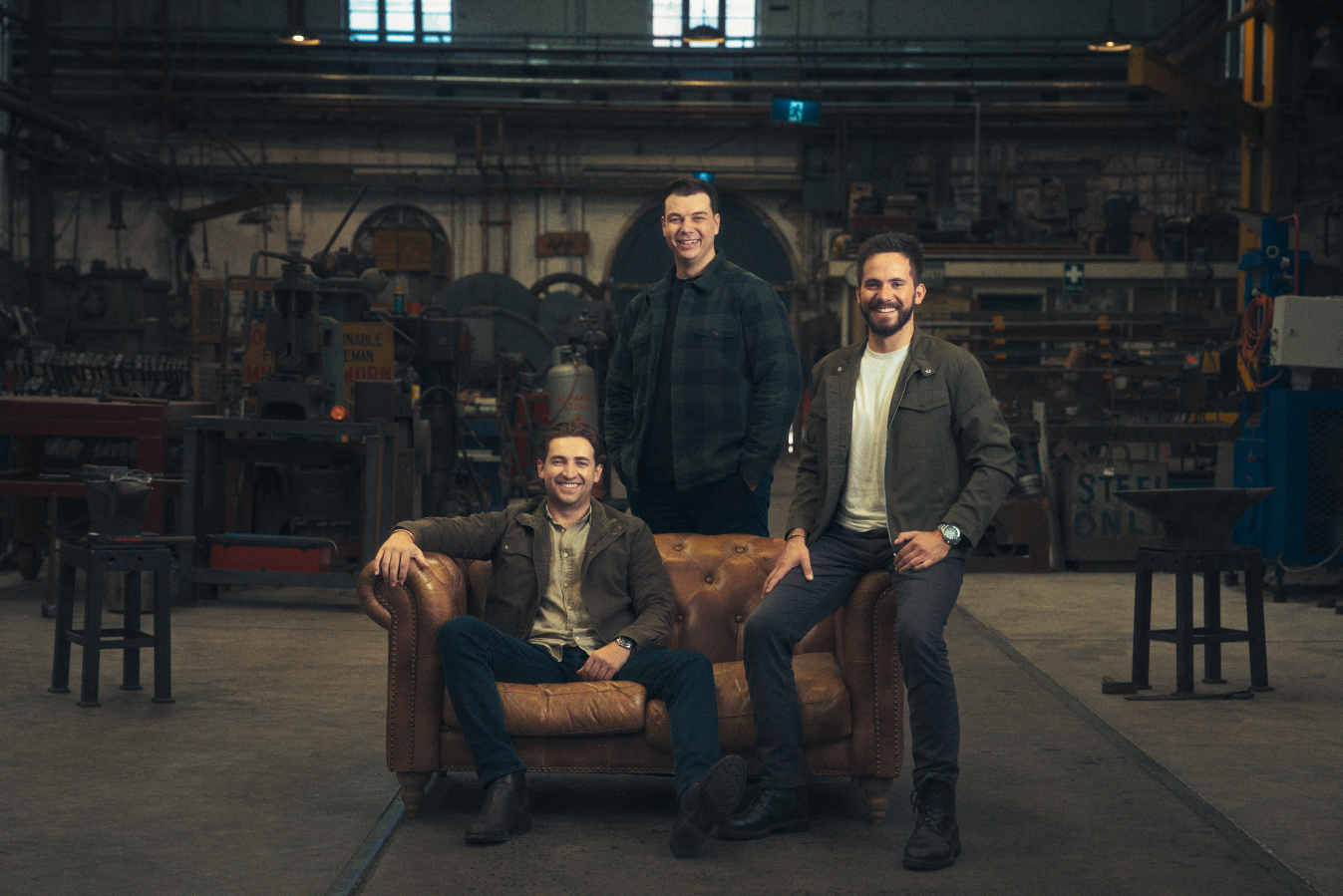
Insitu Pacific managing director Andrew Duggan has been collaborating with Arkeus since it was just an idea.
He was well aware of the limitations of optical sensors across the different parts of the spectrum that different sensors used. “When they explained how they were going to build a whole stack across the technology and be able to deal with all those environmental considerations and still give you that kind of maritime domain wider awareness, I was like, ‘Well, that’s that sounds pretty compelling.’
“And I had faith they had the right folks there … and they’ve come good with the technology.”
The Integrator is a relatively small tactical drone that can stay hundreds of nautical miles from its operator for hours at a time.
“I think the key thing for Integrator is we’re offering a very long-range, long endurance asset in a much smaller package than has been possible previously,” Duggan says. “So with small SATCOM … you can sit out there at 300 nautical miles … and sit there for 15 hours, or 500 nautical miles, we’re out there for eight-plus hours.”
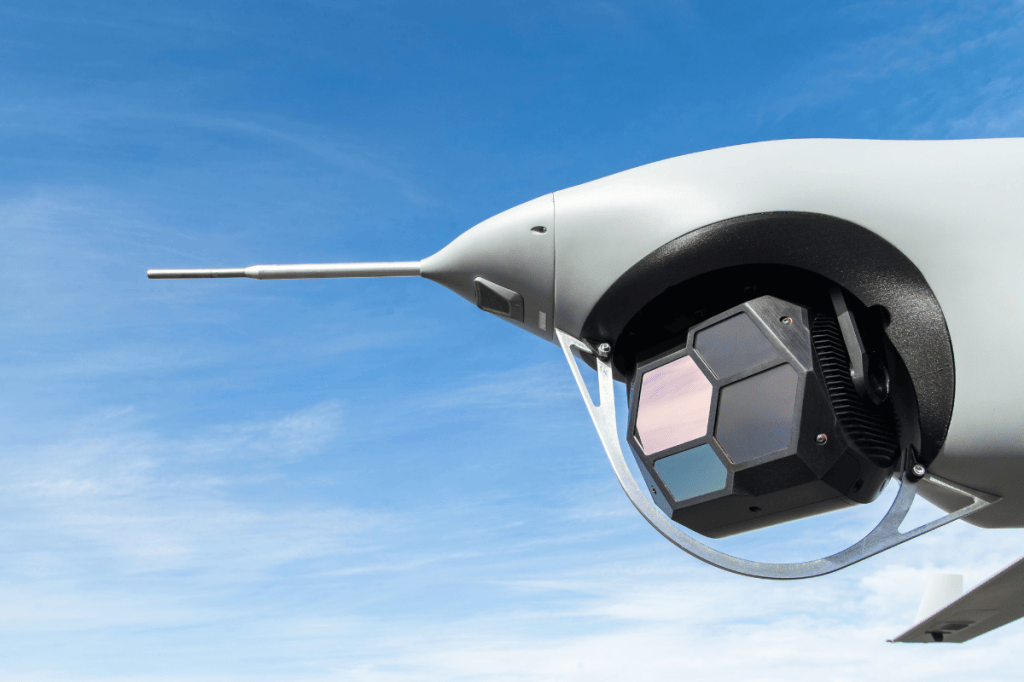
Duggan says Warden adds another layer to that capability — allowing the same relatively small aircraft to search a much wider area and distinguish objects that might appear identical to a conventional optical sensor.
“Even globally, it’s an intriguing technology that I haven’t seen others copy,” he says. “There’s really nothing out there in this space that is as mature as what this is.”
Arkeus announced it had raised $25 million in May this year. It has used that money to start setting up a production facility on the Gold Coast and in the US.
“We’re in a process of establishing stateside,” says Olsen. “We’re building the ecosystem and infrastructure … I expect that to come online by mid next year.”
He expects staff numbers to grow from 70 to 120 by then and sales to grow 5x over the next 12 to 18 months when he expects to raise more money.
“We believe wholeheartedly that we can make a meaningful contribution from an AI perspective into AUKUS, but to do so means we’ve got to scale at a far more significant rate than we are right now. And so we’re planning future capital raises already to ensure we can maintain the trajectory that we’ve currently established.”
And has he had many offers to buy Arkeus?
“We certainly have received interest from a variety of parties, you’d be unsurprised to hear, but right now we see far more potential in driving our growth strategy. And we believe in this mission. We believe that it’s critical for Australia to have a sovereign-based capability that provides a meaningful difference. This isn’t just talk. This really means something to people here.”
Australian defence startup | What it does |
|---|---|
SYPAQ | Autonomous drones. Its Corvo family ranges from small, man-portable systems to larger autonomous aircraft, providing tactical surveillance and reconnaissance and other battlefield capabilities. |
Silentium Defence | Passive radar. Its systems detect and track aircraft, drones, vehicles and vessels by exploiting existing radio-frequency signals rather than transmitting their own radar signal, making them difficult to detect. |
GaardTech | Robotic decoys and deception. It builds robotic replicas of military vehicles and other equipment designed to fool an adversary’s sensors and targeting systems. |
Boresight | Military drones and aerial targets. Its small unmanned aircraft are used for tactical ISR and as expendable targets for air-defence and counter-drone training. |
Grabba Technologies | Small tactical drones. Its lightweight unmanned aircraft are designed to be carried and operated by soldiers for reconnaissance and battlefield situational awareness. |
AMSL Aero | Autonomous aircraft. The company’s ASTIIA system is a small autonomous aircraft designed to carry sensors and other payloads for military missions. |
DroneShield | Counter-drone systems. Its technology detects, identifies, locates and defeats hostile drones using radio-frequency sensing and electronic warfare. |
Seitec | Acoustic and seismic sensing. Its systems use sound, vibration and AI to detect and classify activity such as vehicles, machinery and other potential threats. |
Want to see more Forbes articles on your feed? Tap here to make Forbes Australia a preferred source on Google.
Look back on the week that was with hand-picked articles from Australia and around the world. Sign up to the Forbes Australia newsletter here or become a member here.