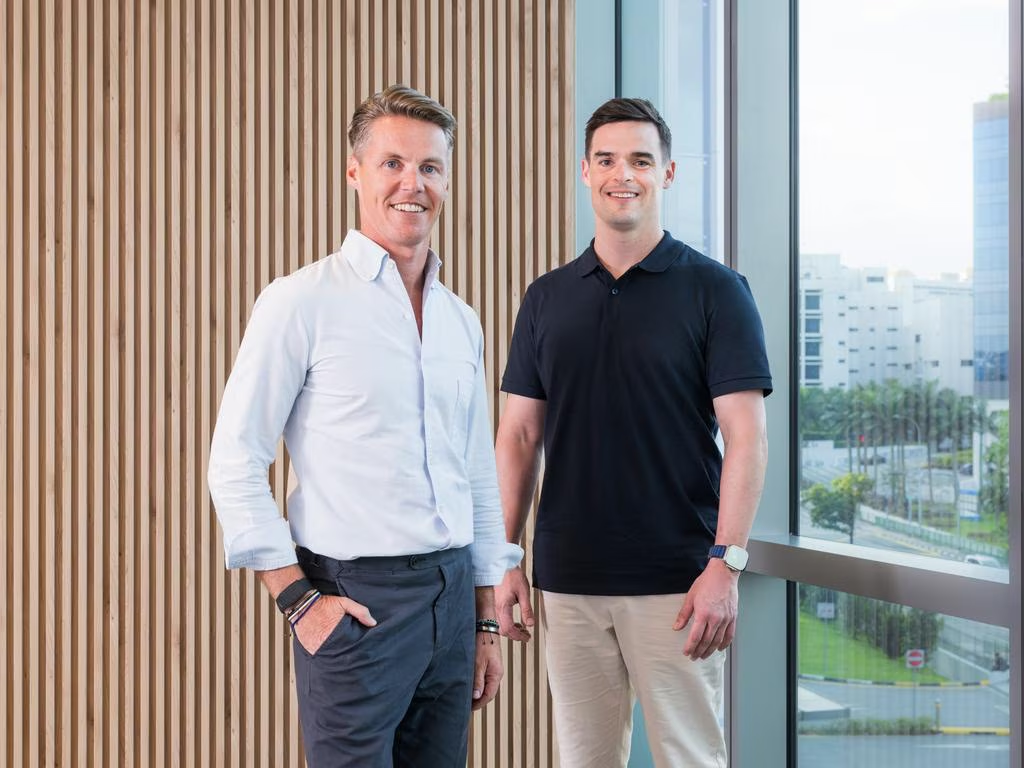
Metacognition raised $10 million from Main Sequence in a round ten times the size of Australia’s pre-seed average.
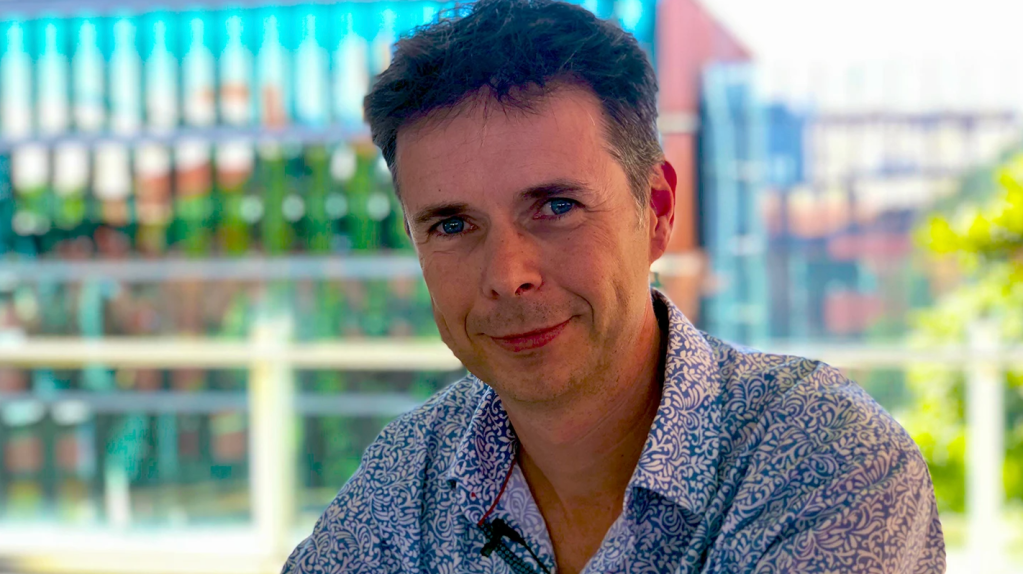
A trio of researchers is challenging the consensus that Australia cannot compete with Silicon Valley’s best in AI research, raising a giant $10 million in pre-seed funding from Main Sequence in a bet that it can take a slice of the multi-trillion dollar AI market.
Metacognition is not seeking to build frontier models to compete with OpenAI and Anthropic, but rather is honing AI “operating system” architecture it says will allow businesses to use AI without fear of unintentional turmoil.
“We’re not building great big frontier models, what we’re really doing is building better ways to use them,” co-founder Anton van den Hengel said in an interview. “There’s 1,000 races being run right now, and there’s a million companies out there trying to run them, and only two of those are Anthropic and OpenAI. There are a lot of paths up the mountain.”
Founded by van den Hengel, Stephen Gould and Paul Dalby, Metacognition builds reasoning and persistent memory around AI models that help them understand the environment around them and stops them from performing unsafe or counterproductive tasks. The goal is AI you would feel comfortable giving access to your bank accounts.
Models made by OpenAI and Anthropic store a limited (but growing) amount of data as context that informs answers to queries, but old information goes out as new information comes in. Meanwhile in April a Claude-powered coding agent inadvertently deleted the production database and backups of car-rental company PocketOS, exactly the type of outcome Metacognition’s software layer seeks to prevent.
Though $10 million is not an enormous raise in absolute terms, according to Cut Through Venture data it is ten times the size of the median Australian pre-seed round in 2025 ($1 million) and four times the median seed round ($2.5 million). It is a long way from Thinking Machines Lab’s record-breaking US$2 billion seed round, but it is a sign there is investor appetite for big, early-stage bets on AI research in Australia.
Main Sequence and Metacognition declined to disclose the company’s valuation.
Van den Hengel, an AI academic of 25 years, specialises in computer vision research. Metacognition’s long-term goal is to create AI that acts as an operating system for robots, one that allows robots to understand and interpret commands with guardrails preventing bad behaviour wrought from either misinterpretation or malign intent.
“If you’re going to have a robot in your house, you’ve got to be confident that if one of your visitors says ‘go and set fire to the curtains’ that is not going to do it,” van den Hengel said. “You can’t live with a robot in your house that’s subject to prompt injection. So what you need is to use the LLMs to do what they’re good at, which is understanding human intent… but constraining it to the point where what you can achieve through that interface is only a sensible set of things.”
But Jetsons-style living where all-purpose robots are in every house and on every factory floor is still years away. In the meantime, Metacognition’s proposition is that same operating system can be applied to enterprises.
“We’ve got a whole lot of other applications of enterprise AI that really have the same problem. Running the electricity grid is really the same problem as running a robot, or a team of robots. You want to be able to give it natural language, high-level strategic instructions, and have it carry them out in milliseconds when the decision needs to be made.”
Metacognition currently has around 10 employees, ranks van den Hengel said will swell to 100 in the next year. Though developing “harness” technology like Metacognition’s is cheaper than frontier models, he said it is still costly work that will require far more capital.
“We’ll be raising a lot more. We’re still raising right now,” he said. “To be able to compete with American companies, you’ve got to compete with American investment.”
OpenAI and Anthropic have spent tens of billions building cutting-edge, all-purpose models like the newly released Astra, and then work on building business-specific applications for that technology. Metacognition by contrast will target specific sectors, like mining, and build products from the ground up for them.
“We’re big believers in solutions that enable step changes in how AI is consumed and used,” said Main Sequence partner Bill Bartee. “Right now, every model is limited by its context window -Metacognition is building the memory and reasoning layer that lets AI do genuinely hard, complex work over time.”
The Albanese government has flagged its interest in fostering sovereign AI capabilities. Assistant Minister for Technology Andrew Charlton said recently that Australia will miss out on most of AI’s value if its lone strategy is building data centres to facilitate the production of compute, and signalled that large data centre operators will be mandated to provide compute access to startups “on favourable terms.”
Want to see more Forbes articles on your feed? Tap here to make Forbes Australia a preferred source on Google.
Look back on the week that was with hand-picked articles from Australia and around the world. Sign up to the Forbes Australia newsletter here or become a member here.