Australia’s VC industry is on track to have its biggest year since 2022, a new report from Side Stage Ventures and the Australian Investment Council says, but most of that is going to the top end of town.

Here’s the good news: Australian venture capital investments are on track to reach US$4.3 billion this year, a jump of 48% from 2025 and the biggest 365 days since 2022. The bad news? The amount of money invested in seed and pre-seed rounds is actually going down.
That’s according to the Australian Venture & Startup Report 2026, compiled by VC firm Side Stage Ventures and with data from Dealroom. Australia has just 18 funds backing early-stage startups, the report says, compared to over 500 in Europe and nearly 600 in the US.
That opportunity, to get in on the ground floor at Australia’s next unicorn, is increasingly being taken up by international punters. Forty-one per cent of investments in capital raises under US$15 million came from overseas investors. The comparable figure in both the US and Europe is 21 per cent.
“There is an obvious need for early-stage funding,” Side Stage Ventures partner Elli Hanson said to Forbes Australia. “Early-stage funding has actually decreased, so we know that there’s an opportunity there, we know that’s where the best returns are overall, and we know that more founders need more early stage capital here.”
That is not the only warning contained in the report’s pages. Though data compilation began in October, it launches at a time when the startup sector is closely watching – and lobbying for – a carve out to the Australian government’s proposed capital gains tax reform. The new system would see the 50 per cent CGT discount slashed in favour of an indexation model, meaning a potential ceiling for 47.5 per cent tax on equity sales.
“As we reflect on a decade of enormous progress for Australian startups and venture capital, as evidenced by the data in this report, we now look ahead to the next decade,” reads its foreword, written by Hanson and Side Stage Ventures’ founding partner Ben Grabiner. “The recent Federal budget proposals make the question unavoidable: what kind of Australia do we want to build over the next ten years?”
The report, compiled as it was by a VC firm, gives plenty of reasons for optimism to those cheering Australia’s startup sector. Australia’s VC sector has performed better than its counterparts in the US, Europe and China over the past decade, with a pooled return of 20.8%. Australian VCs have nearly doubled the returns of their US counterparts in the past five years, the report states.
Unsaid is that Australian funds are far smaller than peers in leading economies – US$6.1 billion was deployed by Australian VCs in 2021 versus nearly US$330 billion in the United States – and thus a few outsized wins can have a disproportionate impact on returns measured on a percentage basis. But the report also states the value of Australia’s startup and venture ecosystem is up 13.7x since 2016, bigger growth than has been enjoyed by any other nation. That includes gargantuan, mature ecosystems like the US (11.2x since 2016) and China (5.3x) to pluckier countries like Canada (11.5x) and Sweden (6.74x).
The total value of Australia’s VC-backed ecosystem is now at US$352 billion, according to Dealroom data. That is actually a dip from last year’s estimate of US$363 billion, thanks to the SaaSpocalypse-induced drop to Atlassian’s market cap. (Atlassian is counted in Dealroom’s analysis despite being backed only by US venture capital.)
The Australian Venture & Startup Report 2026 is the second of its kind, following last year’s inaugural edition that showed Australia was the world’s most efficient unicorn maker. It has now lost that title, however. Australia has produced one billion-dollar company for every US$1 billion invested, according to Dealroom’s updated data, third only behind Switzerland (1.3 per US$1 billion invested) and Sweden (1.17). The US’ efficiency rate is 0.68.
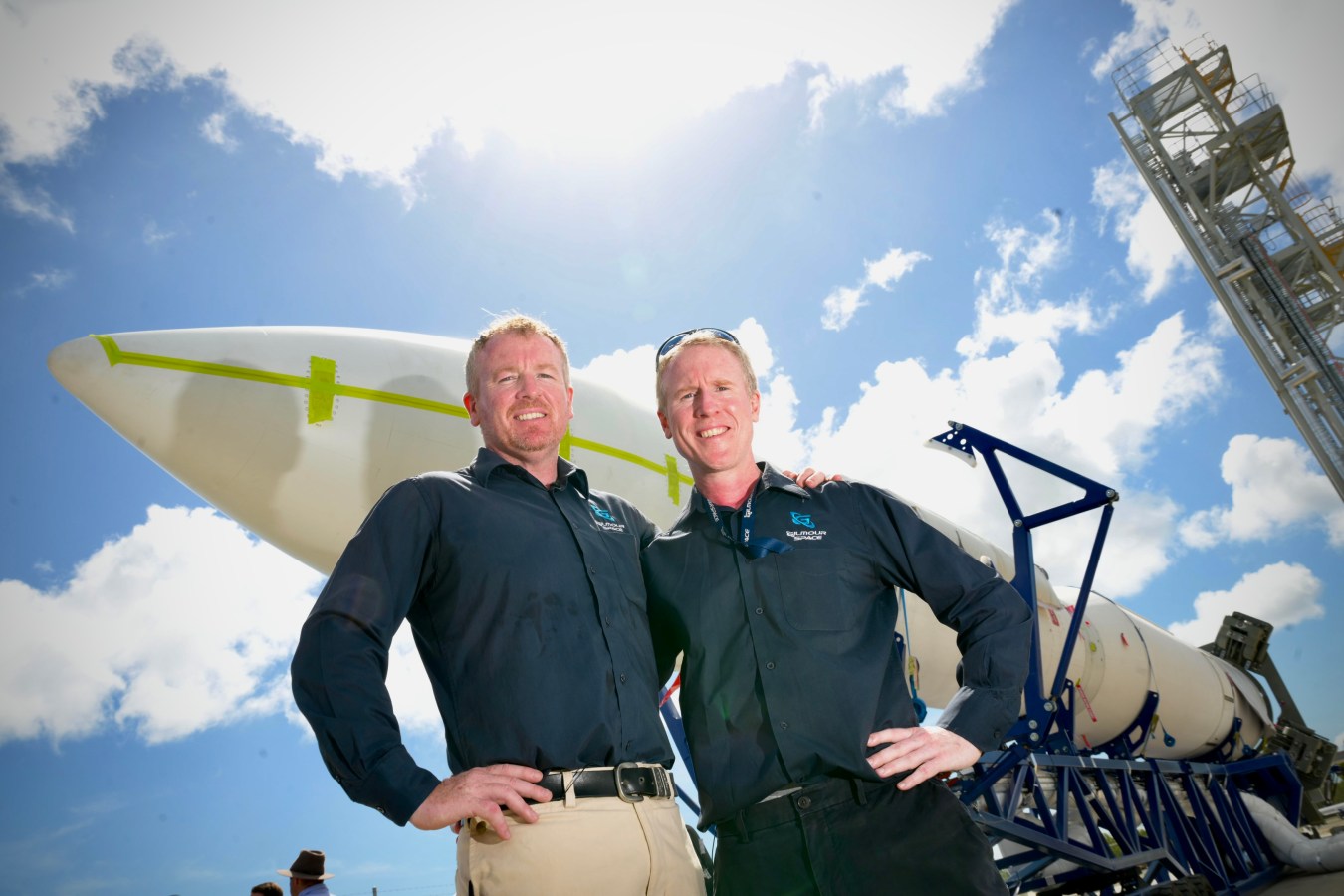
Australia’s class of unicorns has swelled since last year’s report, with Eucalyptus being acquired for US$1.15 billion, and deep tech startups Advanced Navigation and Gilmour Space Technologies both raising at a nine-figure valuation. Hanson says the success of startups like these will beget more success in the coming years.
“I have no doubt that we’re gonna have more hits, I think we’re seeing the flywheel turn,” Hanson said. “Eucalyptus is such an interesting one, because three of the four co-founders came out of Koala, built Euc and now there’s that next generation that’s coming out of Euc, of all of the talent that’s already started new things.”
One such talent is George Howes, who moved on from Eucalyptus to co-found MagicBrief – which last year was acquired by Canva.
Want to see more Forbes articles on your feed? Tap here to make Forbes Australia a preferred source on Google.
Look back on the week that was with hand-picked articles from Australia and around the world. Sign up to the Forbes Australia newsletter here or become a member here.
See where Australia’s tech billionaires rank today on Forbes Australia’s Real-Time Rich List.