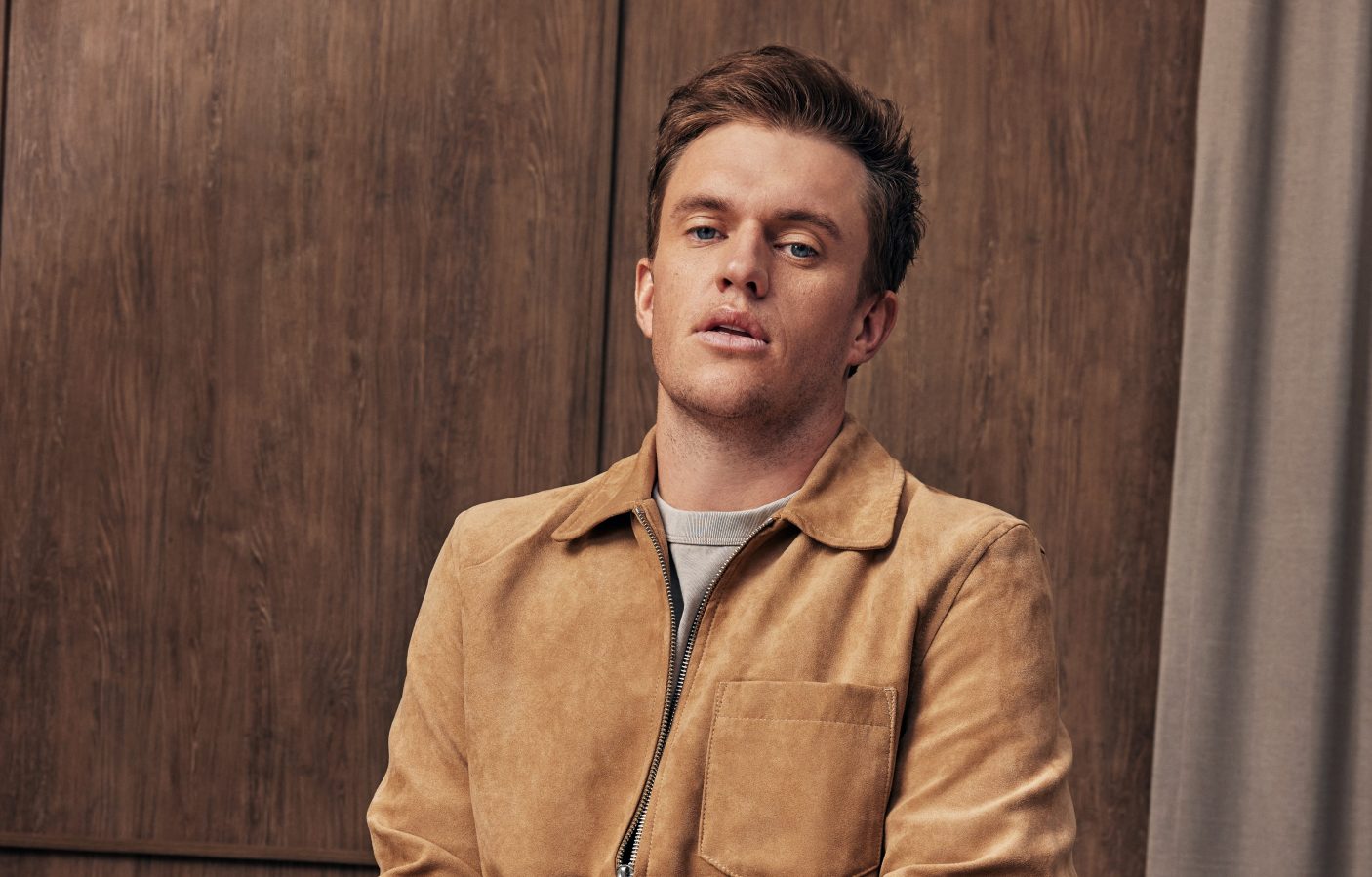
Sydney startup Bound created the Looplock device just two years ago. This is what the founders of the reusable roll-top bag seal went through to bring it to market.
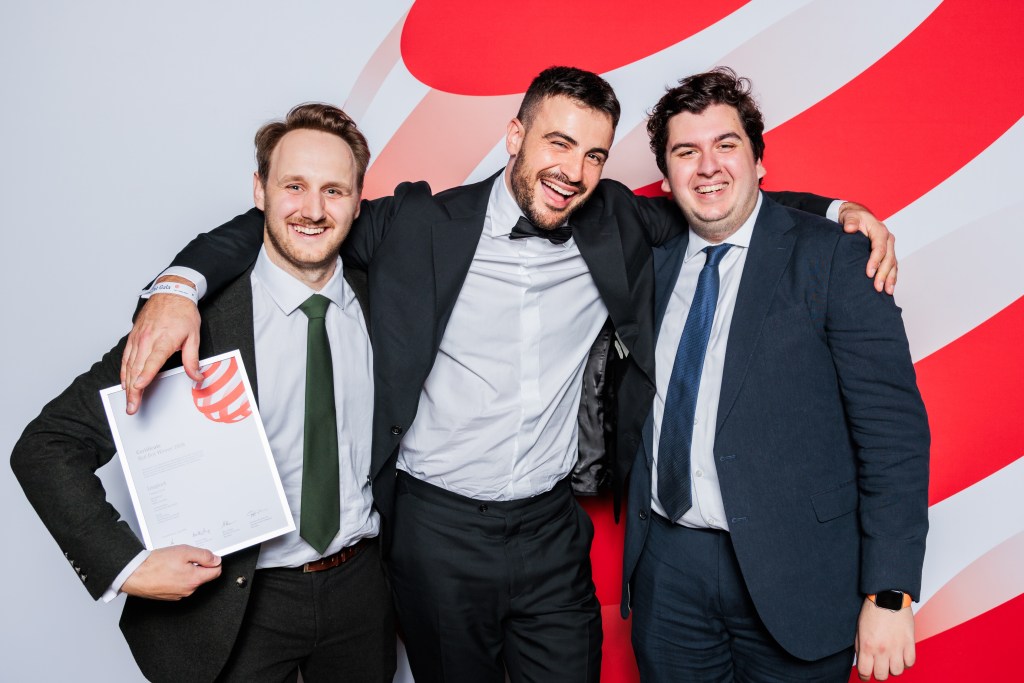
Long before accepting an award on stage in Essen, Germany, Ryan Burke and Luke Hamilton were cleaning spilled flour, coffee grinds, and pasta out of the back of a LandCruiser during NSW camping trips.
The mess came from camping supplies that they couldn’t reseal efficiently. The aha moment came when they looked at the roll-top dry bags they used for their clothes on these trips – and became the catalyst for the Looplock device that transcends the Aussie bush and can be used in kitchens around the globe.
“We figured that if it can survive out there, it will work in the kitchen,” Hamilton, the co-founder of parent company Bound, tells Forbes Australia. “We were the first customers of the Looplock, and it solved a real problem for us.”
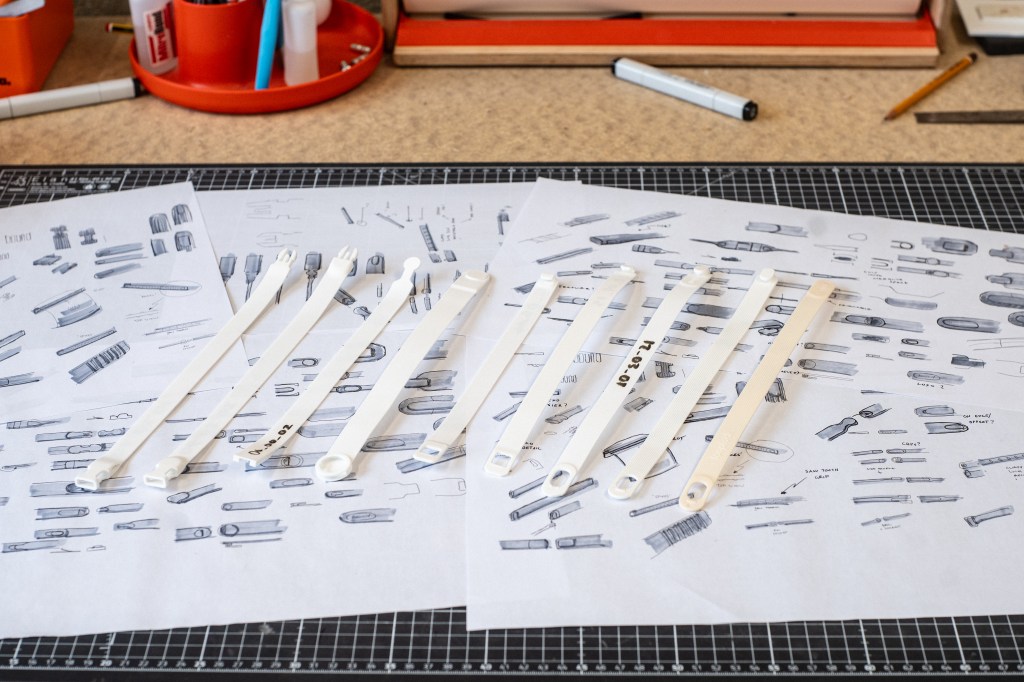
The early prototypes that the mates and former co-workers created were printed on a 3-D printer at Burke’s home in the Sydney suburb of Leichardt.
“Standing there in my kitchen, it just connected: Why can’t I bring the top of a roll-top dry bag to this bag I’m about to throw out, so it can be reused?” says Burke. “I printed the prototype that night – it was literally the very first product off that printer – and it worked. It’s a testament to how that technology unlocks creativity and opportunity for anyone with an idea and a passion.”
Just two years later, the once 3-D printed devices, and the rugged trials Burke and Hamilton put them through, have earned Looplock a coveted Red Dot Award for Product Design.
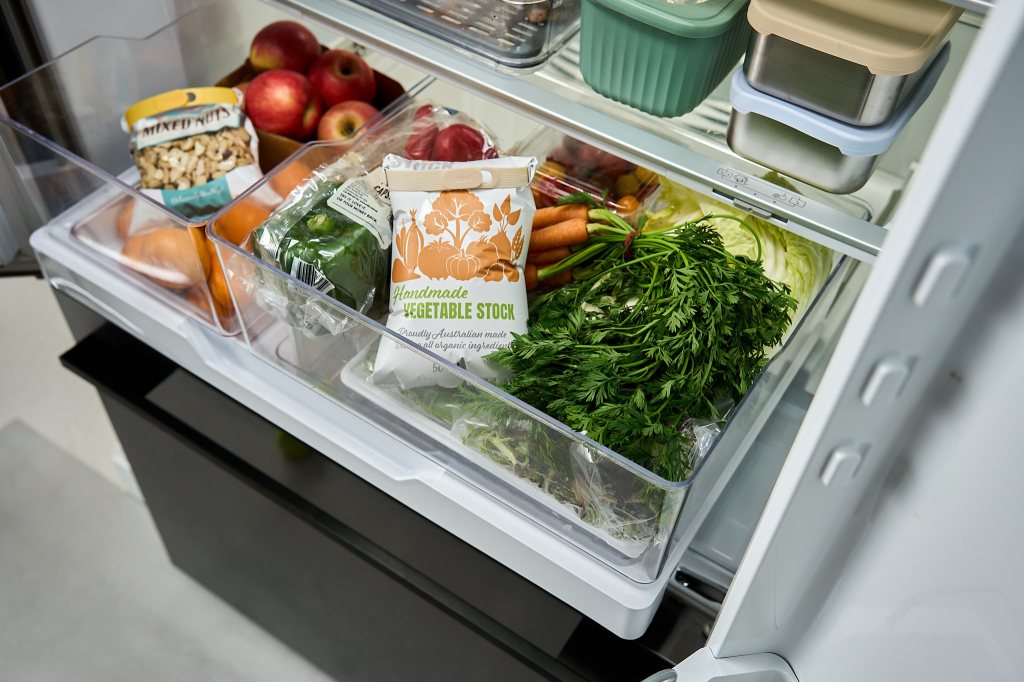
What sets Looplock apart, the founders say, is the inefficient solutions currently in the market.
“The Ikea clips, the bulldog clips, the rubber bands, the fold-and-place-the-bag-on-top method are all attempts at the same job, and all of them are failing. Not a single one of those clips actually properly reseals the pack from moisture and air,” says Burke.
From freezer to fridge to pantry
To make the Looplock stand up across multiple temperatures, the duo trialled various polymers and say the process cost much more than they anticipated.
“We broke, bent, froze, and heated them; we put them through repeated cycles to understand their cyclic performance,” says Hamilton, previously the director of manufacturing at microphone company Rode. “All of it was funded from our own personal savings from our jobs. Some of our biggest spend has been on intellectual property, ensuring we have a patent pending and design registrations in all major economies.”
That wasn’t the only inflated cost scenario that they faced. Initial designs were fit-for-purpose, the founders say, but too expensive to create.
“We had to walk it back into something that was more viable for the customer, that was elegant, yet easy to manufacture and true to one of our core beliefs, which is ‘for the love of less,'” says Hamilton.
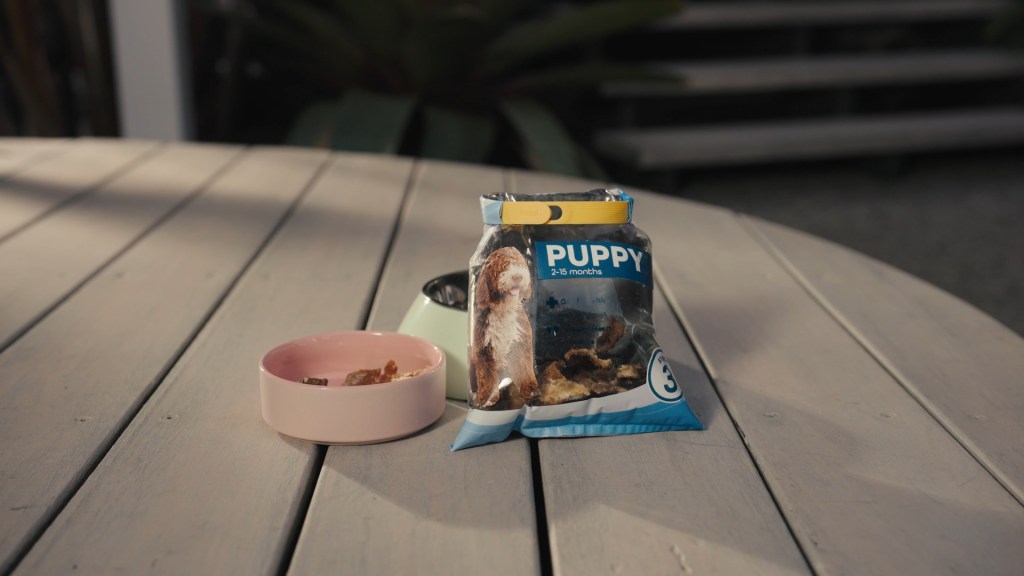
Bootstrapping Bound was the only option, and while today the founders – both alumni of Rode, Australia’s most successful audio technology company – are grateful they have maintained all of the equity in the company, they highlight a frustration that hardware developers face in Australia when applying for government grants.
“The timelines for approval mean that by the time you’re even considered, you’ve already
moved past the phase the program is designed for,” says Burke. “Having worked in manufacturing in Australia for our whole careers, Aussie manufacturing is really important to us. It’s not really surprising that we don’t have more manufacturing startups in this country, but we’d love to see that change.”
Instead, the founders turned to other Aussie entrepreneurs who have walked similar paths. Chris Peters, co-founder of smartphone mount brand Quad Lock, provided guidance on protecting injection-moulded products, and Will Scuderi of Espresso Displays and Mark Kennedy at market research firm Kantar, refined their go-to-market and branding strategy.
“The Australian design community is fantastic,” says Burke.
Bound engaged Purpose Design Lab and Laminar IP to assist with IP and patents, and industrial design firm Default Office to give the product an iconic look.
“There are a lot of people willing to answer questions and help out and generally champion Australian brands,” says Burke.
A boundless market for growth
Now that the Loopock product is designed – and endorsed by an international award – the founders are looking to expand into international territories.
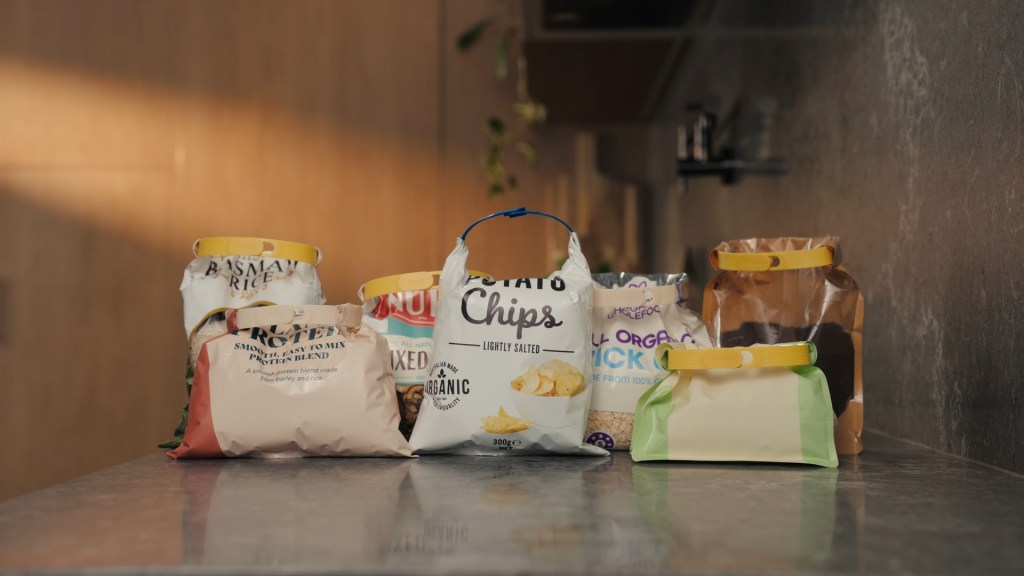
“The Red Dot win – being a German award – has opened doors there that would have
been much harder to push through otherwise,” says Hamilton. “When you’re a two-person company from
Sydney trying to get a meeting with a German distributor, having a German design award on
your product changes the conversation entirely.”
Globally, the flexible packaging market – covering bags, pouches, and food enclosures – is valued at more than $400 billion. Looplock is currently sold in Australia on the Bound website and in some camping supply stores. It is also available on Amazon in the US.
Want to see more Forbes articles on your feed? Tap here to make Forbes Australia a preferred source on Google.
Look back on the week that was with hand-picked articles from Australia and around the world. Sign up to the Forbes Australia newsletter here or become a member here.