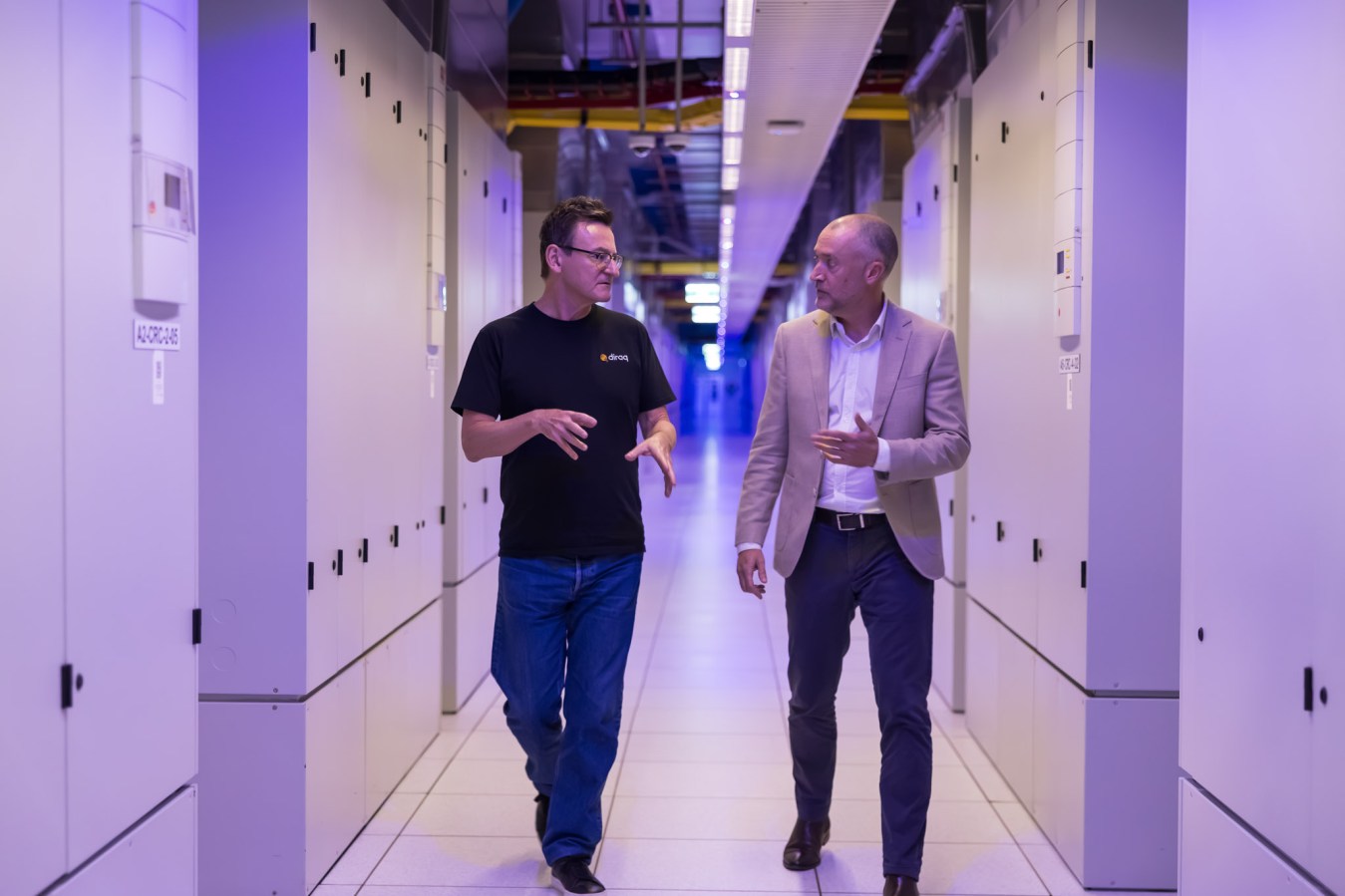
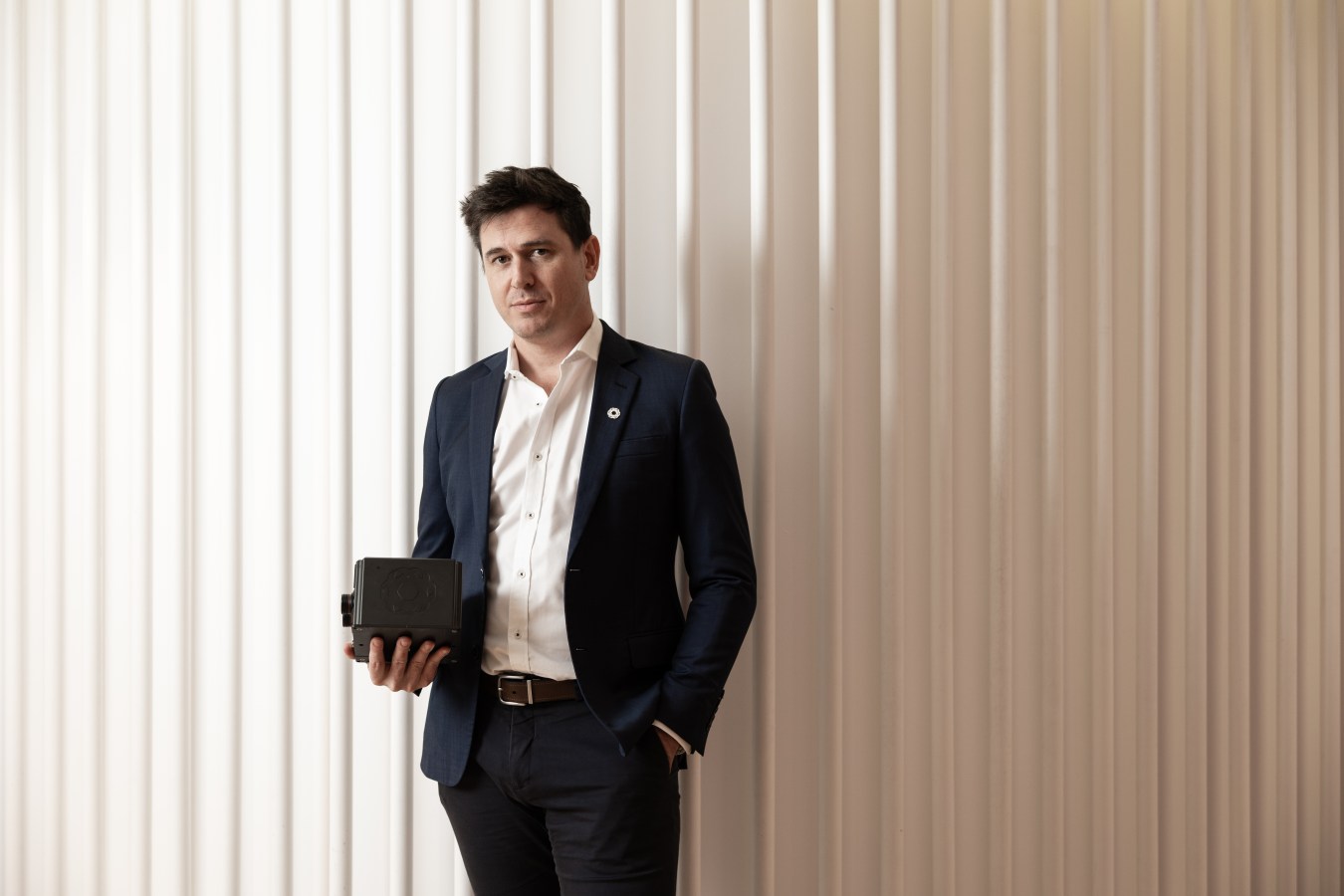
Diraq has progressed to the third and final stage of a quantum computing program run by the US Department of Defense. It comes with US$51 million in funding – with a possibility of another US$249 million.
Key Takeaways
- Diraq has passed into Stage C of the US Department of Defense’s Quantum Benchmark Initiative (QBI).
- The Sydney-based startup will receive US$51 million for its troubles, a figure that could rise over the years to US$300 million.
- The QBI is run by the Defense Advanced Research Projects Agency, or DARPA, its purpose is to identify any company that could develop utility-grade quantum computers by 2033.
- Until Thursday only Microsoft and PsiQuantum had made it to Stage C of the QBI.
- Diraq was one of four to progress to Stage C on Thursday, alongside US companies IBM, IonQ and Atom Computing.
- Diraq says it will have a utility-grade quantum computer up and running by 2031, two years ahead of DARPA’s timeline.
- Among the Australian investors on Diraq’s cap table are Main Sequence, Co:Act Capital and university spinout-focused Uniseed.
Key Background
Quantum computing offers a fundamentally different architecture to the traditional computing the world has become familiar with. It is powered by quantum bits, or qubits, rather than the bits that run the device you’re reading this on, which boosters say enable breakthroughs in areas as diverse as chemistry, finance, agriculture and defence.
The technology’s commercial upside has been largely theoretical for the past few decades, but in 2024 DARPA established the QBI to determine whether anyone around the globe might make it a reality by 2033.
DARPA is specifically after a “utility-scale” quantum computer, one whose computational outputs are more valuable than its operating costs. That means building a machine that can run a high number of qubits – over a million – and which works reliably. Today’s most advanced quantum computers can only work with thousands of qubits, and are notoriously error prone.
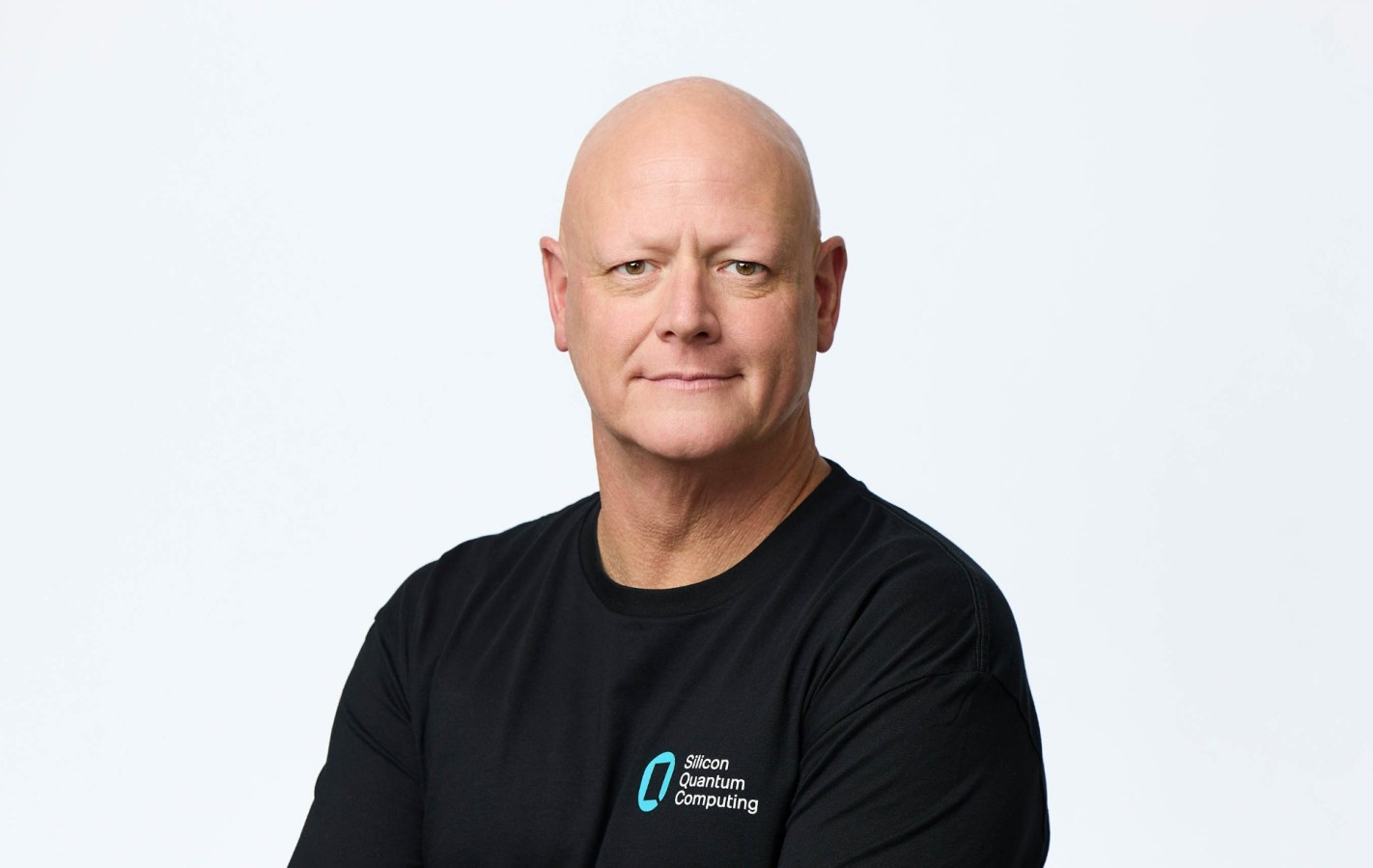
Diraq was one of 16 publicly-named companies to enter Stage A of the QBI last April, one of two Australian startups (alongside Silicon Quantum Computing) in the mostly US cohort. Eleven quantum companies went on to Stage B seven months later, including Diraq and SQC.
Diraq now joins Microsoft, one of the biggest tech companies in the world, and PsiQuantum, which received $940 million from the Australian and Queensland governments to build a quantum computer in Brisbane, in Stage C.
“Stage C is a government R&D contract rather than an equity round, so the funding goes into the work itself: testing and R&D, expanded research infrastructure, and the talent to deliver it,” Dzurak said to Forbes Australia.
“It’s significant in helping us progress to utility scale by 2031, two years ahead of the QBI schedule. The validation also matters beyond the funding, because it helps us attract the best talent and investors as we scale.”
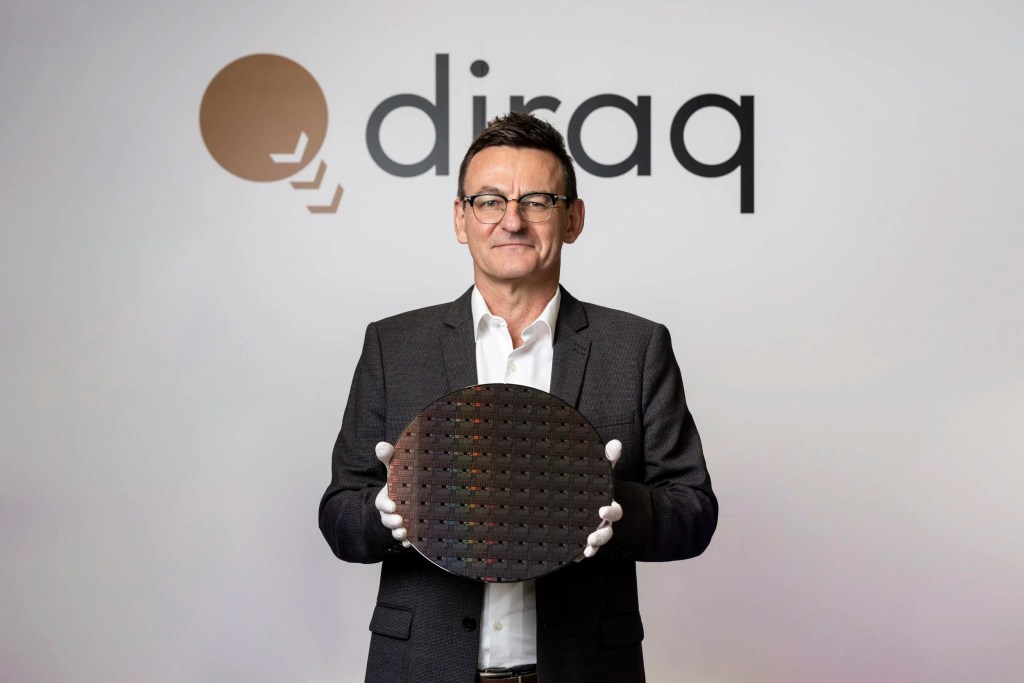
Diraq has designed its quantum processors so that they can be churned out with the same equipment used to manufacture billions of chips for phones and computers each year. By contrast, SQC’s strategy is to bring chip manufacturing in-house.
The funding Diraq will receive via DARPA is not all it has received from the US Government this year. In May it signed a letter of intent with the US Department of Commerce that will see Uncle Sam issue it a grant of up to US$38 million as it seeks to secure quantum supply chains in the US.
Diraq has offices in Palo Alto, Chicago, Los Angeles and Albuquerque in addition to Sydney and Melbourne.
Big Number
US$300 million. That’s the total amount Diraq could get in funding from DARPA. It will get US$51 million for its first year in Stage C, with subsequent tranches unlocked if it stays in the program.
PsiQuantum originally received US$31.8 million for its Stage C evaluations last September before that number was boosted to US$125 million in July.
Global View
It’s been a big year for quantum computing, with a handful of companies going public on New York’s stock exchanges as commercialisation comes into view. Among them is Quantinuum, with a market cap of US$12 billion, which says it’ll have a utility-grade machine ready by 2030.
Meanwhile IonQ, which listed in 2021, is the most valuable public quantum company in the world at US$17 billion – and it too is aiming for 2030.
PsiQuantum, valued at US$7 billion, still has the most ambitious timeline. Despite delays to its Brisbane project that necessitated a site change, PsiQuantum says its Australian quantum computer will be operational by the end of next year. A machine in Chicago will follow in 2028, the startup says.
Want to see more Forbes articles on your feed? Tap here to make Forbes Australia a preferred source on Google.
Look back on the week that was with hand-picked articles from Australia and around the world. Sign up to the Forbes Australia newsletter here or become a member here.