Two proposed amendments to superannuation will be a boon for the startup sector, predicts King River Capital.

The co-founders of Sydney VC King River Capital say the startup sector will be deluged with superannuation money in the coming years should the government follow through on two proposed reforms.
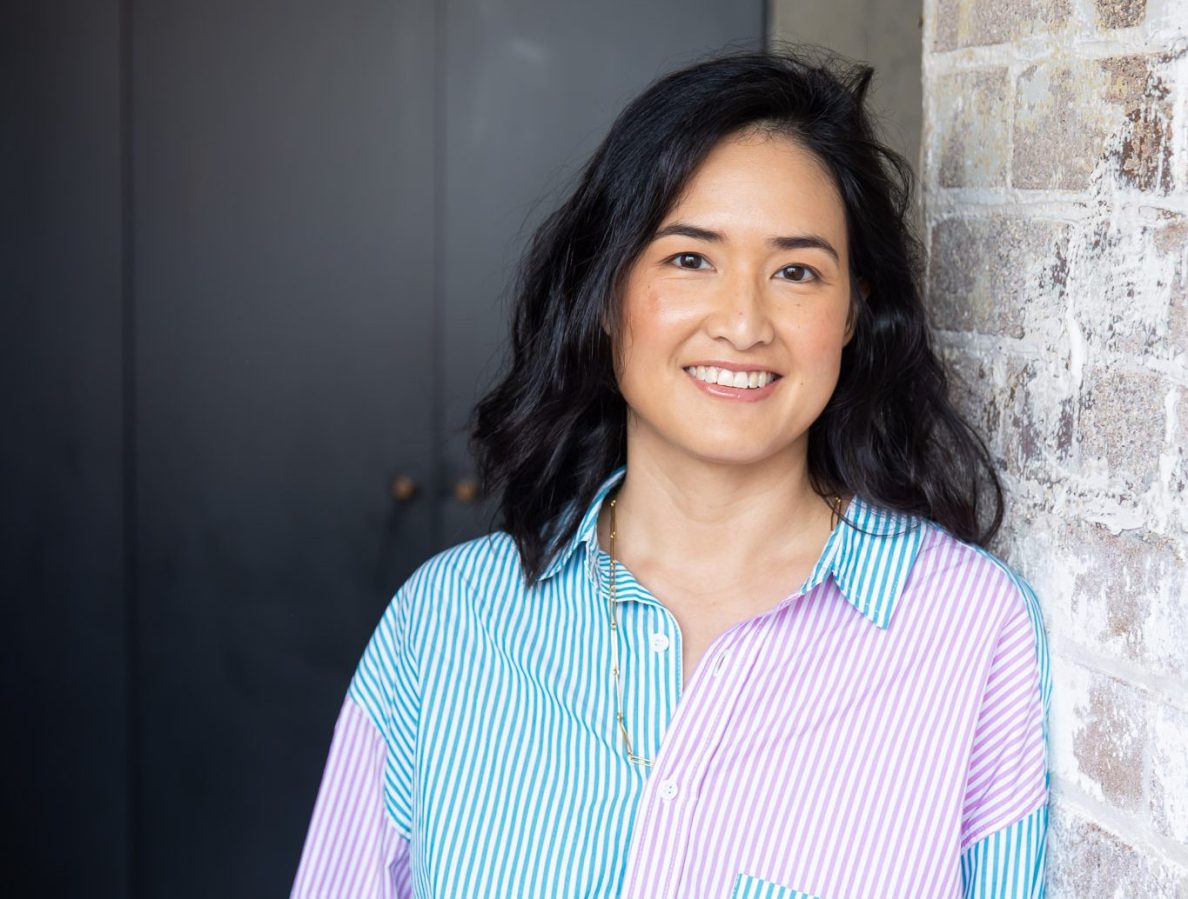
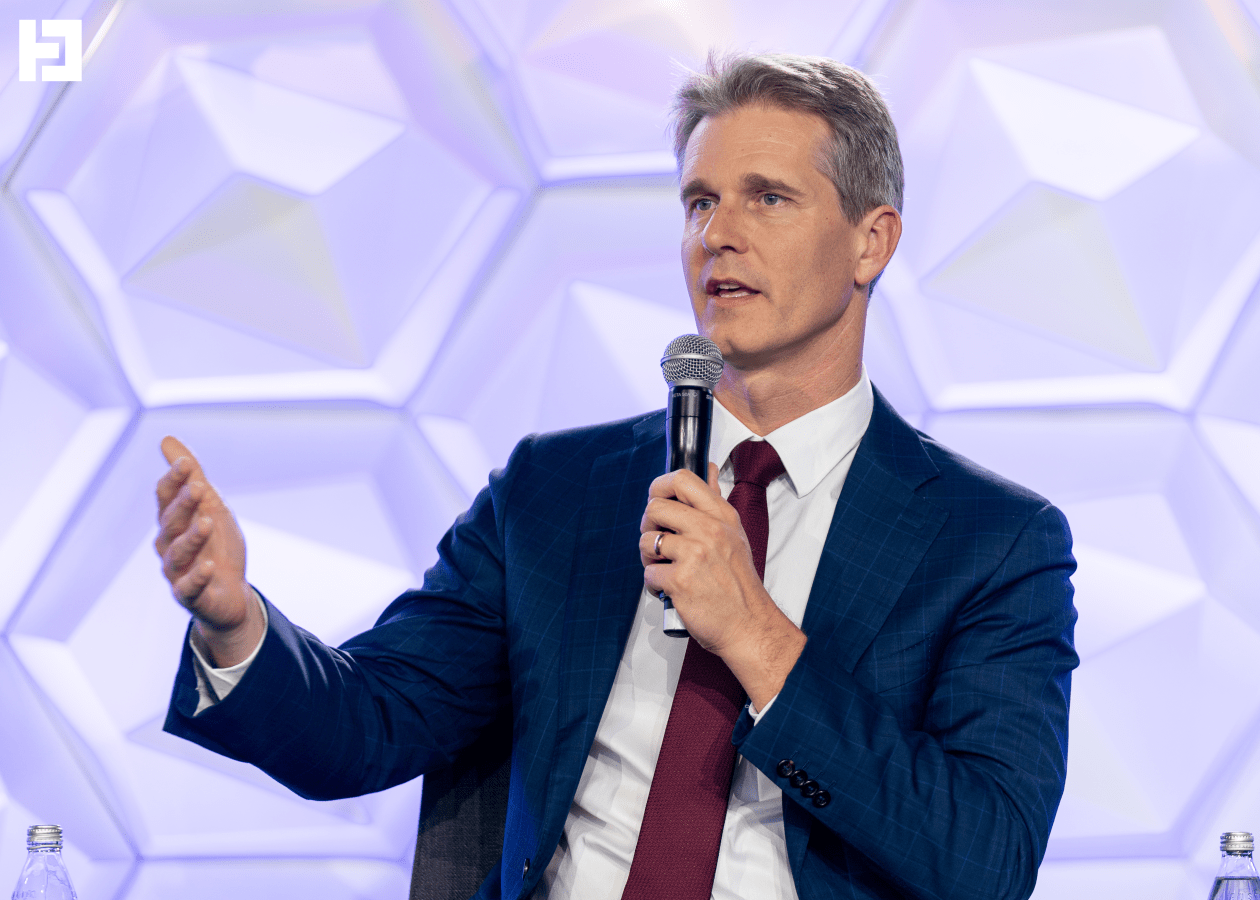
In a rare display of VC enthusiasm for Labor policy since the budget, King River Capital partners Chris Barter and Zebediah Rice predict proposed amendments to how fund fees are disclosed and performance is reviewed will “transform” the startup sector.
“Australian pension money is [currently] woefully underinvested in alternatives in general, and venture in particular,” Barter said. “My prediction is that over the next two or three years, there’s going to be a flood of super money.”
The two policies under review are the Your Future, Your Super performance test and the RG97 fee disclosure regime. YFYS establishes benchmark returns for different asset classes and punishes funds whose long-term gains fall below them. Meanwhile RG97 forces super funds to disclose the costs their investments incur, including fees charged by VC or PE firms.
Critics say the benchmark testing results in herd investing, with super funds all crowding into the same reliable assets for fear of underperforming, while disclosures put a focus on fee minimization rather than return maximisation.
Treasury has proposed a new benchmark specific to emerging asset classes like venture capital to ease superannuation funds’ anxieties around higher-risk, higher-reward investments. Meanwhile, ASIC will later this year begin consulting on a review of superannuation fee disclosure requirements.
“The foundations and endowments in the United States have the best [institutional investor] track record, and if you look at their allocation to privates and venture, you’re talking about 40 to 50% in these higher risk [assets],” Rice said. “In Australia, the allocation [in VC]is more like 1 or 2 per cent, yet you have the fourth largest pension fund assets in the world.”
“This is really important for Australia.”
Hostplus, which with $3 billion invested is among the super industry’s biggest backers of VC, cautions regulatory settings are only one piece of the puzzle.
“While reforms to the performance test and RG97 have the potential to support greater investment in private assets, including venture capital, over time, investment decisions are not driven by regulatory settings alone,” a spokesperson said.
The fund added the relative youth of its member base – many of whom are in hospitality and tourism – allows it to invest over a long-term time horizon and into illiquid assets like VC.
Superannuation funds have grown dramatically more active in the startup sector over the past decade, backing funds by Blackbird and Airtree as well as investing directly in dozens of startups like Gilmour Space Technologies, Mitti and Airwallex. Yet a report commissioned by the Australian Investment Council last year argued MySuper funds were underinvesting in PE and VC by $54 billion.
The report estimated 4.4 per cent of super money flowed to the wider private equity category, of which venture capital is part. Meanwhile US state and local pension funds invested an average of 13.9 percent to private equity in 2025. US university endowments are more bullish still, with 41 per cent of Harvard’s endowment going to private equity in 2025.
Barter and Rice formed King River Capital in 2019. Among the first investments made by the firm was into insurance tech startup Cover Genius, which last month raised at a US$2 billion ($2.83 billion) valuation. It also holds shares in Discord, a gaming chat app last valued at US$15 billion. Both companies are expected to IPO in the US next year – Rice says Cover Genius may alone return the VC’s first fund.
King River operates in both Australia and the United States, with investments split roughly 50-50 between the two countries.
The startup and VC sector has had its pitchforks out since Labor in May proposed eliminating the 50 per cent capital gains discount on equity, which could double the tax payable by founders and early employees on their equity when startups are acquired or go public. Treasury has proposed exemptions for “innovative small businesses”, but many in the sector say the new tax regime is still too onerous on successful startups.
While Barter called the potential for doubled capital gains taxes “very, very bad”, the pair are more sanguine about the budget’s overall implications for venture capital in Australia than many of their peers. Beyond inducements for super cash to be deployed into VC, they point to amendments that will allow far more startups to take advantage of R&D tax offsets and the expansion of “ESVCLP” tax concessions for investors.
“I’m a died-in-the-wool Democrat,” said Rice, a US-born Sydney resident whose uncle Jerry Brown was Governor of California. “I think tax action is essential to a healthy democracy, and that people should pay their fair share.”
The fleeting AI opportunity
That is not to say the pair do not see urgent problems that need to be addressed in Australia.
They contend that too many Australian engineers are flocking to San Francisco, Australia remains reliant on frontier models developed and hosted in the US, and that there isn’t enough local compute capacity to support development of sovereign Australian AI.
These problems, Barter and Rice warn, need to be fixed urgently.
“We don’t have three or four years, we literally have months to catch up,” Barter said. “Australians will be data colonised by the US. We will be wholly reliant on US LLMs, we’ll be wholly reliant on compute and storage.”
Barter says the narrative of Claude eating the world is oversold, and that we’re moving into a “multi-model” world where companies in Australia can build large, successful AI companies. For that to happen, however, the country needs to retain its talent and build sufficient infrastructure in the form of data centres.
Labor has been moving to support the local industry to this end. Assistant minister for science, technology and the digital economy Andrew Charlton said last week Labor would move to require Big Tech data centre builders to provide compute access to local startups “on favourable terms.” Charlton argued that building data centres alone will leave Australia capturing little of the “real economic value” of AI, and that Australia must build its own models and capabilities – or pay “economic rent” to the US.
While Australian companies build up the country’s capabilities, Barter argues it is also crucial that frontier labs set up meaningful operations in Australia. That will attract talent to the country, but more importantly can facilitate frontier AI operating under Australia’s jurisdiction.
“You need to have LLMs that are following Australian law,” Barter said. “Privacy will be respected, international intellectual property will be respected, there will be limits on AI and interacting with children.”
“Do you really want your kid learning about the world on Grok?”
Want to see more Forbes articles on your feed? Tap here to make Forbes Australia a preferred source on Google.
Look back on the week that was with hand-picked articles from Australia and around the world. Sign up to the Forbes Australia newsletter here or become a member here.