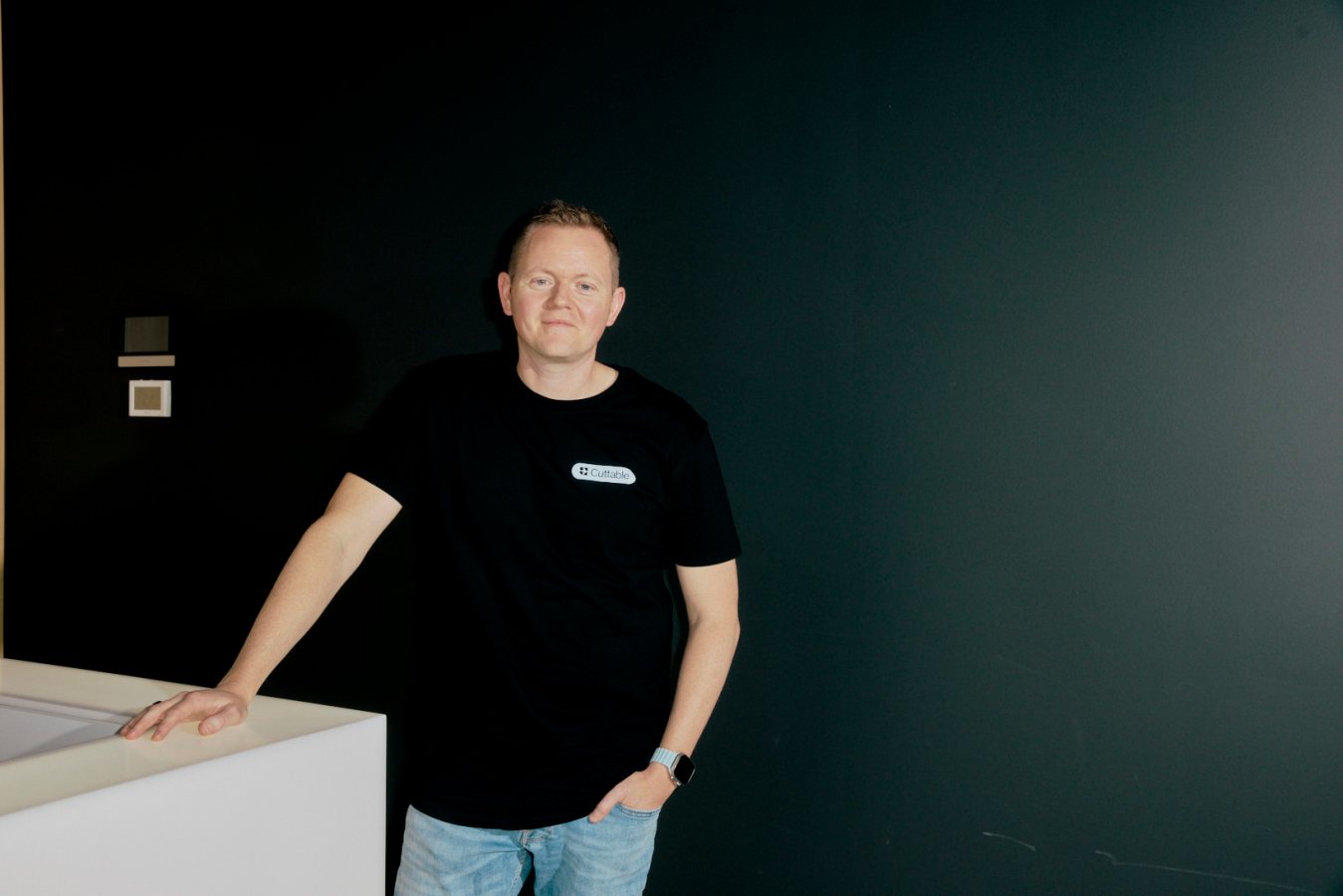
Anthropic’s IPO includes a private line of succession: confidential lists of would-be heirs to its founders’ voting power, chosen by the founders and approved by one another.
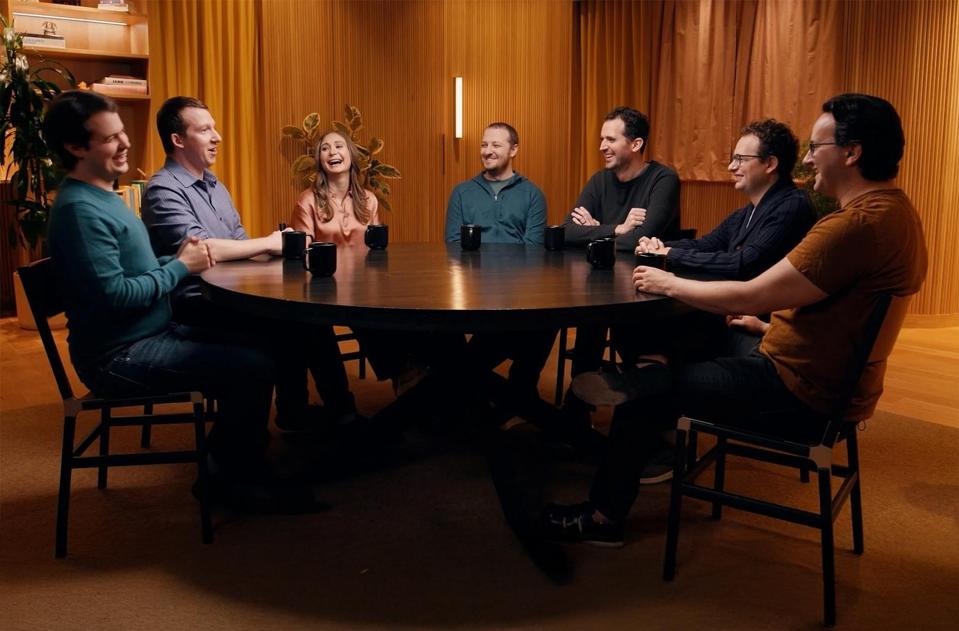
Anthropic’s founders.
Anthropic
Anthropic is offering the public a chance to buy a stake in its business, but no say in who inherits its founders’ voting power, or even the right to see who they are. Contained in the AI giant’s IPO filing is an elaborate and somewhat unusual succession plan: confidential lists of people who could take over its founders’ powerful voting roles.
According to a filed Anthropic Founders, LLC agreement attached to the company’s S1, each founder can nominate a ranked list of up to 10 successors, subject to approval from five of the other six cofounders, who will take over their votes.
Succession provisions are common at founder-controlled companies: for instance, Facebook’s IPO specified a successor designated by Mark Zuckerberg.
Three features of Anthropic’s are not. The list of heirs is confidential. It is ranked, so the order of succession is fixed in advance. The board’s governance committee can demand that the founders reconsider their choices, but it cannot veto an approved list.
This founder-designated control over the company is enacted through the five types of shares that Anthropic is offering: A, E, F, N and T. When the company IPOs, the public will be allowed to buy class A shares. The Class F shares, which are what the succession plans refer to, give 50.1% of the voting power on general shareholder matters to the founders, and are designed to preserve their power even as the founders sell or donate their financial stakes in the company, effectively separating control over the company from ownership in the company’s economic value. (The voting majority doesn’t give the founders sole control over Anthropic’s board; that power is for the Long Term Benefit Trust, established to safeguard Anthropic’s public benefit mission.)
The successor lists are kept secret, but there are qualifications for the role, outlined in the S1. The first eight candidates on each founder’s list must each be a current or former employee of Anthropic or its subsidiaries, or a current or former employee or other service provider at a “501(c)(3) tax-exempt organization or a national or international organization whose primary purpose is research, education or the promotion of public benefit.”
Those qualifying through Anthropic must have held technical, compliance, policy or Anthropic Institute roles, or another role approved by the board and a majority of the other LLC members. Outside candidates must have served at a senior level.
Eligibility rules go out the window for the ninth and tenth candidates: no rules apply, though they still need supermajority approval from the other members.
As with any document built to outlive its authors, the succession plan specifies exactly when a member of the voting council is incapacitated and removed. The definition covers the expected medical issue—an impairment likely to cause death within a year or prevent substantial gainful activity for at least that long—then veers beyond medicine: wrongful imprisonment, unlawful detention, captivity or restraint lasting or expected to last 12 months or more and “appearing to be wrongful or without due process of law.”
The elaborate system of successorship is a good deal for Anthropic’s founders. Not only do they retain control over the company, but they will also get filthy rich through selling their Class A shares to the public.
Forbes estimates that the ownership stakes of the company’s two most high profile cofounders, CEO Dario Amodei, 43, and his sister, Anthropic president and chairperson Daniela Amodei, 39, are worth $13.6 billion and $13.7 billion, respectively. They are the only two cofounders disclosed as having participated along with other executives and employees in share sales totalling $4.7 billion in April 2026 and $157 million in June 2025. It’s unclear exactly how much stock the Amodeis sold in those tender offers. Other notable people who sold shares were CFO Krishna Rao, who joined the company in 2024, and Holden Karnofsky, the husband of Daniela Amodei, who is also chairman of Anthropic’s board.
Anthropic’s other two cofounders, Head of Public Benefit Jack Clark, 38, and chief science officer Jared Kaplan, 42, have stakes worth an estimated $13.7 billion, respectively. Forbes had previously estimated that each of Anthropic’s seven cofounders owned 1.6% stakes worth $15.5 billion based on the private funding round in May. The company has not disclosed the pricing of its IPO yet, but it is reportedly seeking a valuation in the range of $1.5 trillion to $2 trillion, which would make each cofounder’s net worth north of $20 billion.
Want to see more Forbes articles on your feed? Tap here to make Forbes Australia a preferred source on Google.
Look back on the week that was with hand-picked articles from Australia and around the world. Sign up to the Forbes Australia newsletter here or become a member here.