Around $60 million in taxpayer funds has been deployed by Brandon Capital to startups working on cancer cures, infection prevention, fibrosis treatment and more.
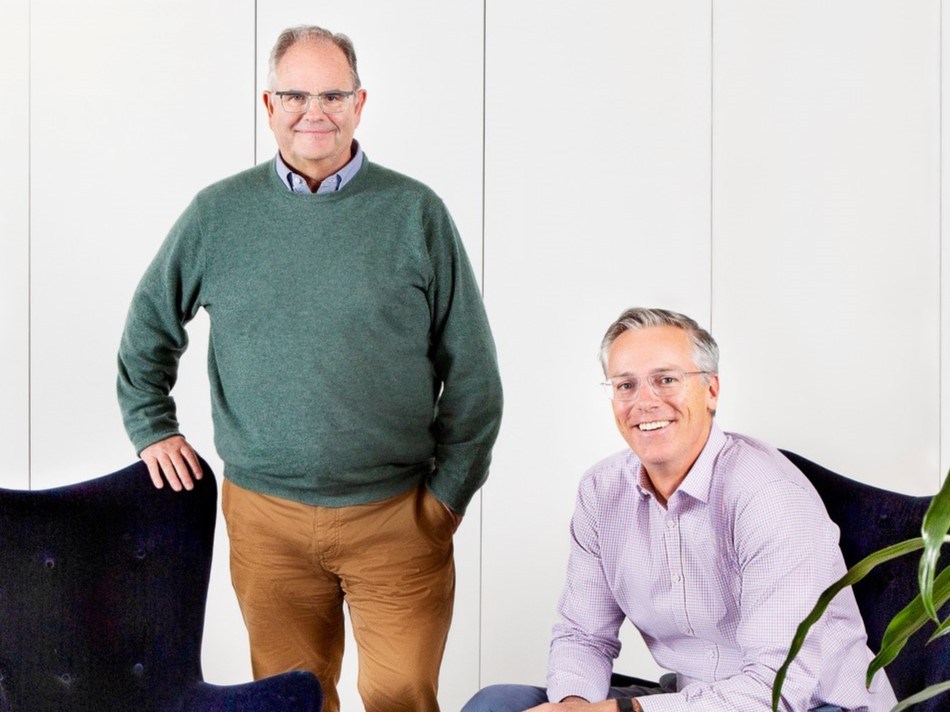
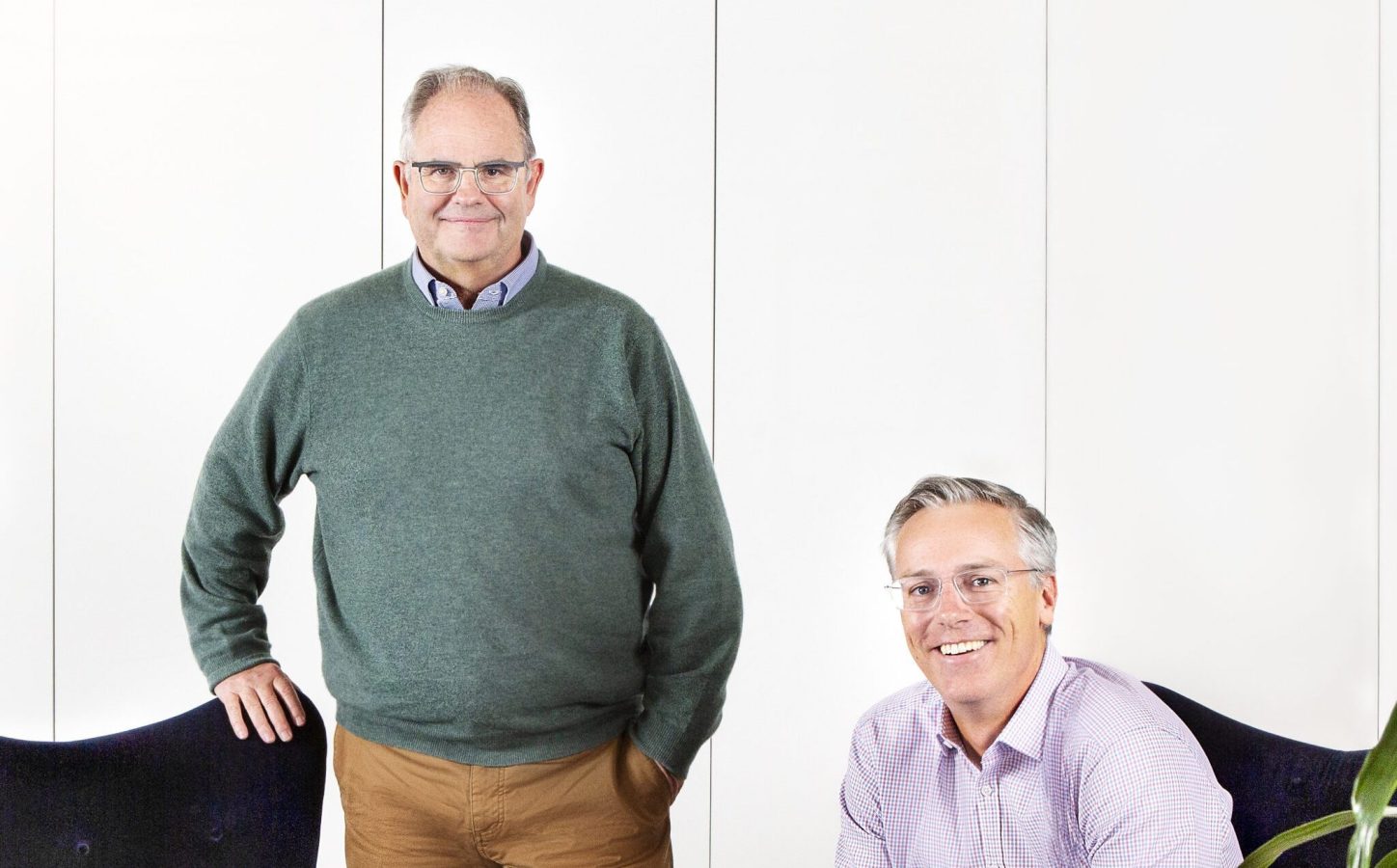
Brandon Capital founding partners Chris Nave and Stephen Thompson. Credit: Brandon Capital.
Brandon Capital has deployed around $60 million of National Reconstruction Fund capital across 10 biotech startups over the past year, championing the NRF as helping to keep promising technology in the country.
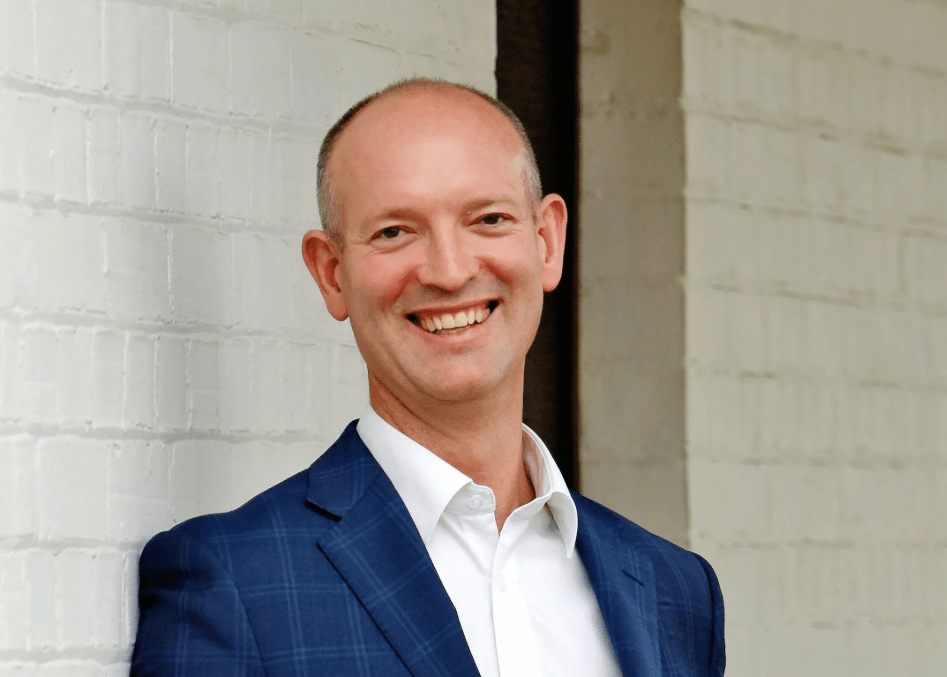
But Chris Nave, founding partner of the biotech VC, warns Treasury’s plan to cap the R&D tax incentive (RDTI) to the first 10 years of a company’s life would have a “huge” and “unintended” impact on the sector.
“To develop a new drug takes somewhere between 10 and 20 years, and you can’t cut corners,” Nave said. “To take away the R&D rebate from Australian biotech after year 10 will have a huge impact… it’s when their level of R&D intensity, and also costs and expenditure, is at its highest.”
Under the RDTI companies generating up to $20 million can receive a cash rebate on R&D expenditures. The Albanese Government has proposed lifting that threshold to $50 million, but restricting the scheme to the first 10 years of a business’ life. “Deep tech” startups that spend decades attempting to monetise cutting-edge science say it could cause great damage.
“I think it was an unintended consequence,” Nave said. “I think government really are listening to the impact this is going to have on the deep tech sector, so I do believe they’re genuinely thinking about change.”
Yet as one arm of the Government threatens the industry, another is giving it life. The NRF invested $150 million in Brandon Capital last year, bringing the size of the VC’s sixth fund to $430 million. Since then Brandon Capital has deployed $60 million of that taxpayer money across ten startups.
RDTI changes notwithstanding, NRF chief executive David Gall noted the 15-year timeline associated with biotech and pharmaceutical investing required “patient capital.” The NRF, he said, is almost uniquely placed for such patience. It targets returns two to three per cent above the five-year Commonwealth bond rate, but unlike typical funds is not beholden to its investors requiring returns in a set number of years.
“If you think about this sector and medical science, development timelines are very significant,” he said. “Therefore it’s not just availability to capital, it’s the type of capital… one of the roles I think the NRFC has been successful in achieving is crowding in that more patient capital to match the timelines of the kinds of commercialisation investment periods these investments require.”
AdvanCell, which produces radiopharmaceuticals that target cancer cells without the typical collateral damage, was the single biggest recipient of NRC capital. It soaked up $15.4 million as part of its $171 million Series C – which was followed in July by a gargantuan $450 million raise.
Meanwhile over $8 million apiece went to ENA Respiratory and OncoRes Medical. The former is devising a nasal spray that prevents respiratory infections, and is also backed by Bill Gates’ foundation, while the latter has created a tool that can map cancer cells mid-surgery to ensure they’ve all been removed.
Company |
Investment |
Technology |
Latest milestone |
|---|---|---|---|
AdvanCell |
$15.4m |
Radiopharmaceutical cancer treatment |
Building out Brisbane manufacturing ahead of Phase 2 clinical trials. |
OncoRes Medical |
$8.5m |
Handheld probing device that assesses during surgery whether all breast cancer tissue has been removed. |
Clinical trials in Western Australia and Victoria completed, with US trials upcoming. |
ENA Respiratory |
$8.3m |
Nasal spray intended to prevent respiratory infections. |
Phase 2 clinical trials under way, with completion expected in 2027. |
Currus Biologics |
$6.0m |
Genetic engineering of T-cells to target and kill cancer cells. |
Progressing towards clinical trials. |
Axelia Oncology |
$5.0m |
Immunotherapy that stimulates the body’s immune system to fight cancer cells. |
Expanding clinical trials in clear-cell renal-cell carcinoma until 2028. |
Cincera |
$4.0m |
Low-toxicity oral medicine for people with fibrosis or organ scarring. |
Advancing towards first-in-human trials. |
Lumonus |
$1.9m |
AI software designed to improve the efficiency of radiation-oncology treatment. |
Closed a $28 million Series B in March 2026. |
Source: Brandon Capital/NRF.
The NRF and Brandon Capital did not disclose three of the 10 investments, which are still operating in stealth mode.
The NRF is not new to biotech, however, having previously put $27 million into Polyactiva, a Brandon Capital portfolio company developing a glaucoma treatment. Polyactiva has begun building manufacturing facilities in Melbourne – but Nave says the company likely would have moved offshore a year ago were it not for the NRF’s backing.
The National Reconstruction Fund is the Federal Government’s $15 billion investment vehicle for stimulating advanced manufacturing. It has made the odd investment in legacy companies, like Arnott’s Group and Patties Food Group, but most of its punts have been in deep tech startups seeking to build cutting-edge hardware.
Nave argues biotech is an ideal place for the NRF to invest. Australia has lost retail, automotive and steel manufacturers due to lower-cost competitors abroad, he said, but biotech is insulated from that threat thanks to patent protection and strict quality standards.
“Biotech manufacturing is one of the few sectors where you can actually afford to pay Australian salaries and be globally competitive, and that’s just because of the strict regulatory environment and the intellectual property that protects those products.”
Founded in 2007, Brandon Capital in July secured its biggest exit yet when Myricx Bio, a startup it backed during an $8.5 million seed round in 2019, was bought by Novartis for up to $2.16 billion. It is one of several funds specialising in life sciences, including CSIRO-spinout Main Sequence, Andrew and Nicola Forrest’s Tenmile and Marc Benioff-backed Proto Axiom.
Brandon is the first and only time the NRF has invested in a VC fund rather than a company, but won’t necessarily be the last.
“We’ve definitely said we want to selectively do funds where they line up really well with our mandate,” Gall said. “If there and there are other funds that line up well with our mandate, I would expect over time that we would be making investments in selectively in some of those as well.”
Want to see more Forbes articles on your feed? Tap here to make Forbes Australia a preferred source on Google.
Look back on the week that was with hand-picked articles from Australia and around the world. Sign up to the Forbes Australia newsletter here or become a member here.