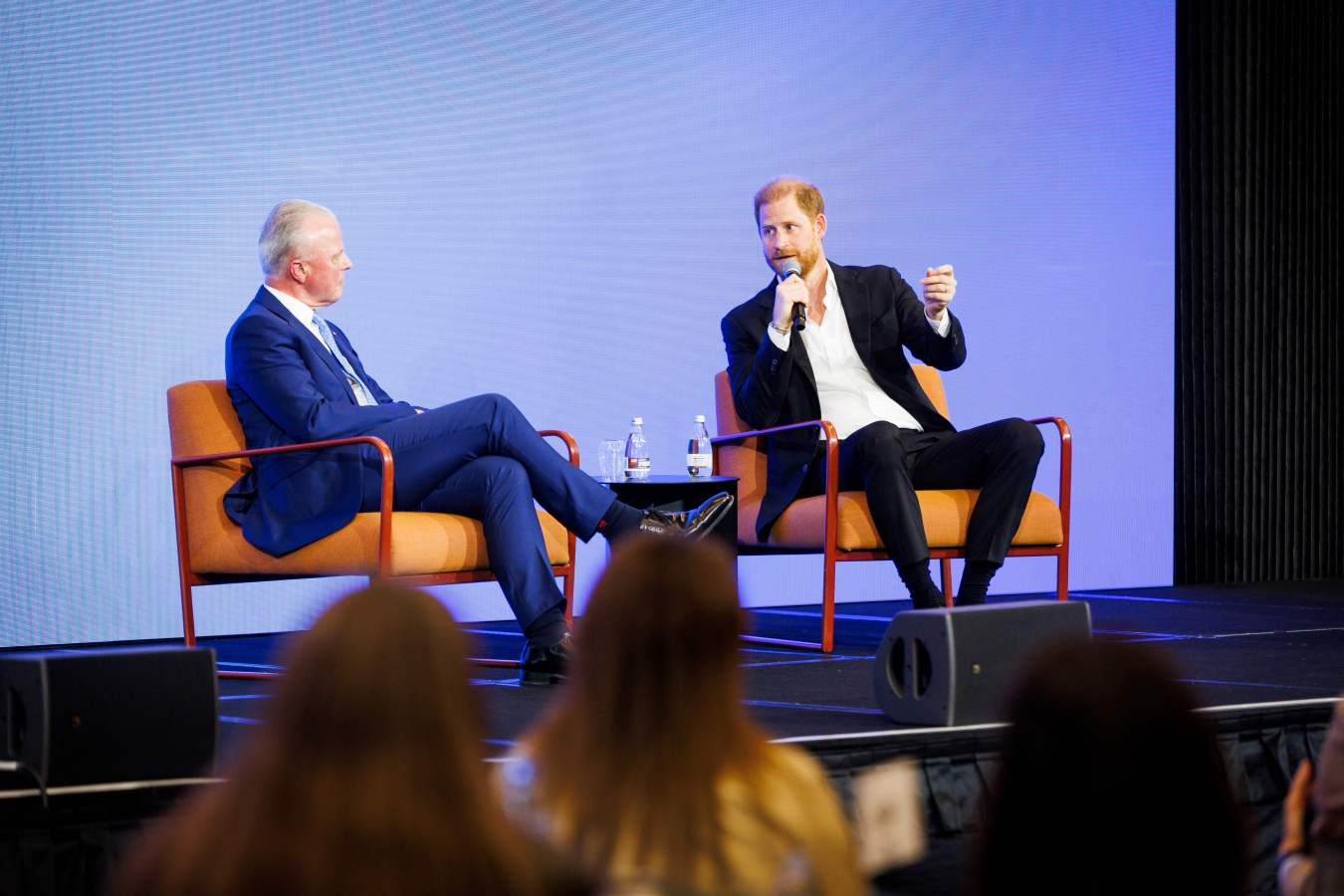
Australia enacted what Washington DC debated and Hollywood exposed. Now, Meta is facing A$23 billion in fines for not protecting the mental health of its users. Here are the whistleblowers who brought the reckoning to light.
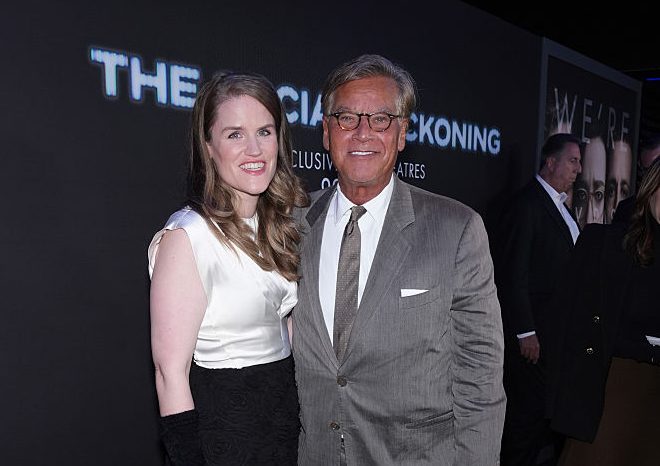
Sixteen years ago, screenwriter Aaron Sorkin stepped out onto red carpets across the U.S. to premiere The Social Network, his new film about the founding of Facebook.
A decade and a half later, the revered Hollywood writer has returned to the subject, chronicling the progression of Mark Zuckerberg’s social platform and the 2021 disruption caused by Silicon Valley whistleblower Frances Haugen.
Then in her 30s, data engineer Haugen was named as one of Time 100‘s Most Influential People after going public with documents she procured while working at the tech company. The Facebook Files, as they came to be known, revealed that the social platform prioritised engagement – and profit – over social cohesion.
While Haugen is now a household name, The Social Reckoning reveals that little else changed in the wake of the lid being lifted on Facebook’s engaging of extremists. The platform has pulled back on fact-checking content, rather than strengthening its verification procedures, and while Zuckerberg and other tech executives answered questions at multiple Senate Judiciary Committee hearings, and it owes $23 billion in fines to US states, no federal legislation has been introduced in the US to protect children from absorbing misinformation.
Conversely, this week’s global release of The Social Reckoning comes in the same fortnight that Australia’s Communications Minister, Anika Wells, was also honoured by Time. Wells was appointed to the 2026 Time100 Next list for her work pioneering the “growing global movement to reframe the relationship between technology and the well-being of our children.”
Filling the regulatory framework gap
While the film highlights legislative delays in the U.S., Australian federal policy pursued a different route. Led by Wells and the eSafety Commissioner, Julie Inman Grant, Australia enacted a social media restriction framework placing compliance obligations directly on platform operators.
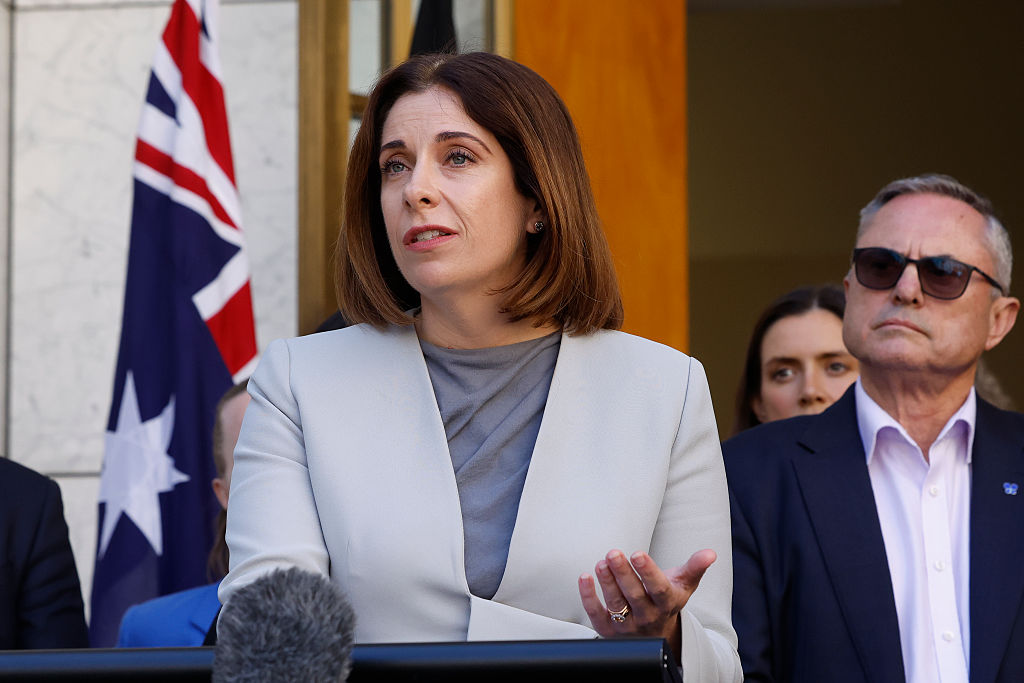
Despite pushback and feasibility concerns raised by tech industry representatives, the law requires platforms including Meta (previously Facebook), TikTok, Snapchat, and X to implement measures preventing users under 16 from creating or maintaining accounts and imposes a $99 million fine for failing to do so.
Australia’s pioneering legislation has since been implemented in 17 other countries. The EU is expected to roll out age-gating guardrails for social media, gaming and AI platforms by the end of the year.
The lack of US legislation governing technology is a topic that Haugen weighed in on this week, during interviews coinciding with the film’s premiere.
“We have still not passed any major laws since I came forward in the U.S. We need to pass laws that say ‘hey you can’t hide from us anymore,” Haugen told NPR.
Misinformation and extremism are particularly concerning given that AI is now training on readily available, and often un-fact-checked, social media data online.
“The things that we seed our chatbots with influence the outcome,” Haugen says. “We are entering an era where the last line of defence between us and potentially very, very negative outcomes by things like superintelligence is whether or not internal employees speak the truth.”
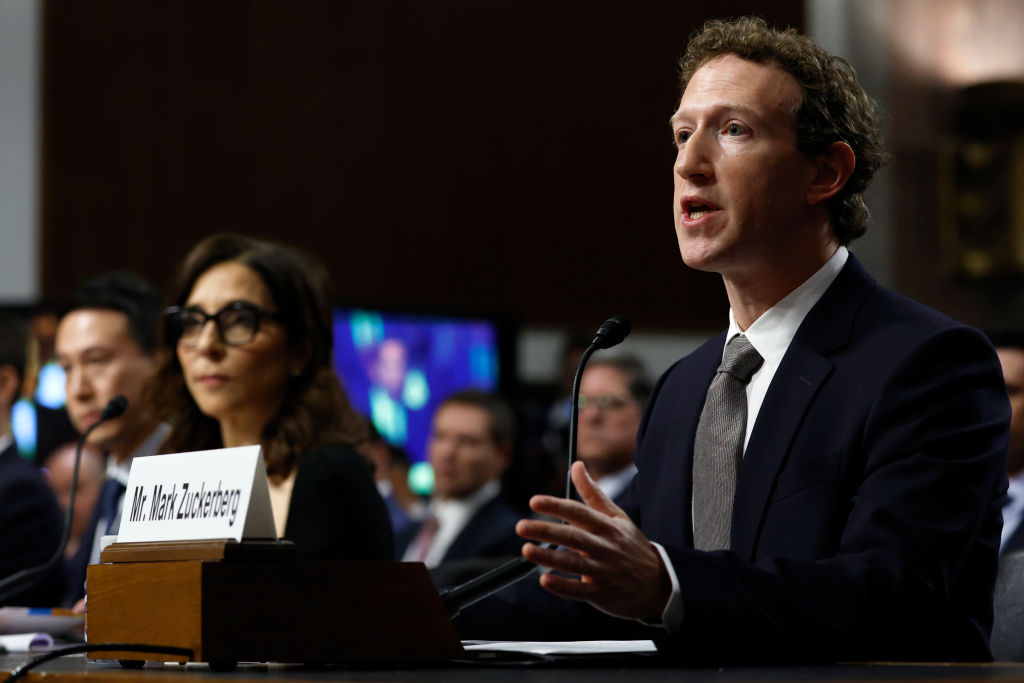
As major AI labs like OpenAI and Anthropic prepare for IPOs, the pressure of scaling commercial products, as highlighted by the storyline in The Social Reckoning, is top of mind.
Engagement-driven metrics and unverified claims from social platforms can be absorbed into the training inputs for the next generation of digital tools, potentially creating a data feedback loop where AI systems process unverified records and proliferate misinformation.
From Social Network to Reckoning
Sorkin’s new film covers the months leading up to the publication of the Facebook Files in The Wall Street Journal, following reporter Jeff Horwitz (Jeremy Allen White) and his collaboration with Haugen (Mikey Madison), who was then an employee in Facebook’s civic integrity team.
A key term highlighted in the film is MSI: Meaningful Social Interactions. According to the movie, internal documents passed on to Horwitz by Haugen, revealed a strategic shift in Facebook’s algorithm to tap into a younger, and more easily manipulated and radicalised audience.
“This was part of a presentation, given during a meeting two years ago,” Haugen’s character says in The Social Reckoning. “Our users were getting older. That’s why engagement went down.”
In the year after MSI was introduced, engagement and the resharing of content went up by 50 per cent, the film reveals, and continued to escalate from there. Haugen’s character called the viral content contagious.
“Something doubles every day. By the end of the first week, you have 128 times what you had at the start.”
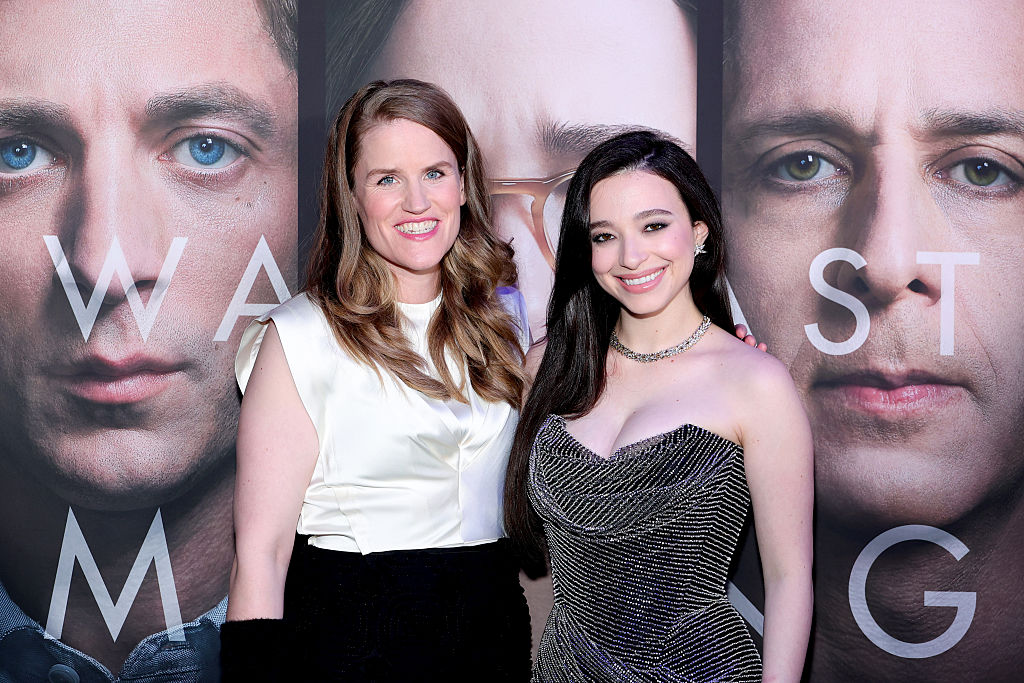
MSI was supposedly introduced in 2018 to prioritise personal content like family photos over verified media articles, and reduce time spent on the platform to support community health, according to the film.
The reality diverged from that public statement, Haugen posits. Meta’s executives projected lower engagement under MSI, but reshares and overall activity rose, due to the amplification of specific types of viral content. The algorithm rewarded high-interaction material, including divisive political posts.
When employees raised concerns, they were met with resistance from company leaders, who advised against putting their thoughts into writing.
The film also highlights Facebook founder Mark Zuckerberg’s (played by Jeremy Strong) response to the January 6 Capitol riots, and whether to keep contentious, agitating content on the platform, or to take it down in the hope of preventing further civil unrest.
The scene where this plays out acts as the climax of The Social Reckoning. It takes the viewer into the boiler room when Zuckerberg finally – albeit seemingly temporarily – steps away from his stance that free speech and profit trump moderation.
In this moment, Zuckerberg is guided by Charlie, a fictional early investor – said to be loosely based on Roger McNamee – who serves as a voice of reason throughout the film.
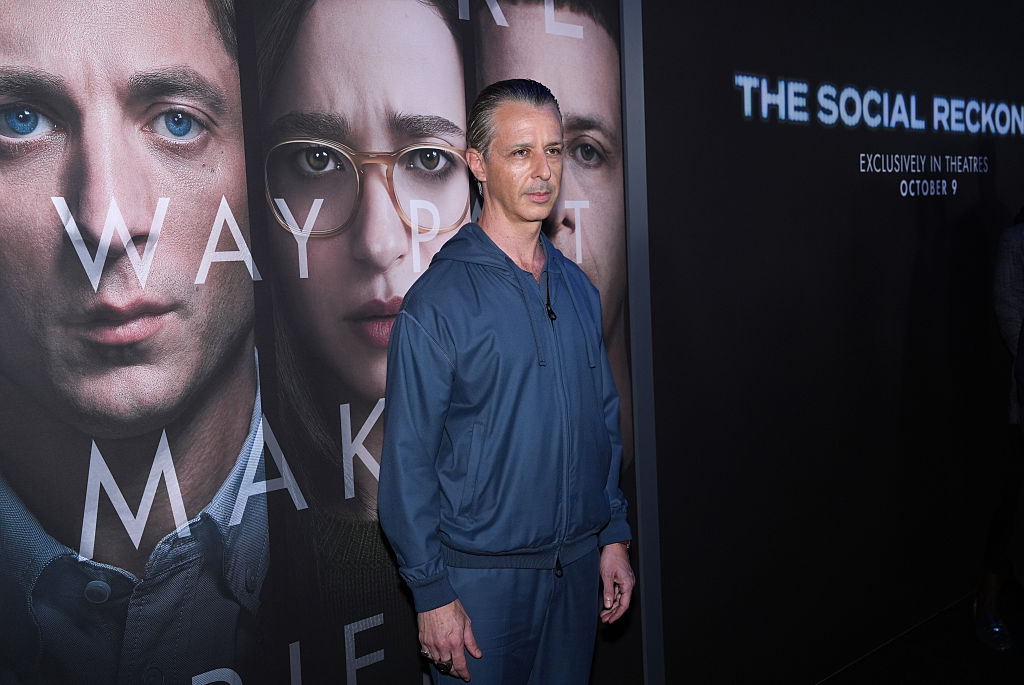
Charlie questions Facebook’s founder on whether he is protecting those with the power to dismantle Section 230, the very legislation that gives the internet – and its billionaire founders – immunity from repercussions when publishing and distributing content online.
If media titans have the right to commoditise disinformation, Charlie suggests, then politicians want the same deal.
“You’re announcing that the official policy of Facebook now allows politicians to pay to spread disinformation,” Charlie accuses Zuckerberg towards the end of the film.
“People can post what they want,” Zuckerberg responds defiantly. “We’re not the ref. We’re the public square.”
It’s a full circle moment in Sorkin’s expose of the underbelly of Facebook. From how it started in The Social Network, to the current state of play in the Social Reckoning. In another fifteen years, we might just know how this Meta trilogy ends.
Sony Pictures’ The Social Reckoning is now playing in Australian cinemas.
Want to see more Forbes articles on your feed? Tap here to make Forbes Australia a preferred source on Google.
Look back on the week that was with hand-picked articles from Australia and around the world. Sign up to the Forbes Australia newsletter here or become a member here.